High blood pressure affects millions around the world and is often described as a silent killer. Many people remain unaware of their condition until complications arise. According to the World Health Organization, hypertension contributes to more than 10 million deaths each year, largely through heart disease and stroke. Because its symptoms often go unnoticed, early prevention becomes essential.
Although many patients require medication, lifestyle choices—especially diet—play a powerful role in regulating blood pressure. Numerous studies highlight that certain foods can support the body’s natural mechanisms and help reduce hypertension. This article explains 18 scientifically supported foods to lower blood pressure and offers a clearer understanding of how they benefit overall heart health. A review published by Healthline highlights similar foods shown to reduce hypertension, reinforcing how strongly diet influences long-term blood pressure control
The Link Between Diet and Blood Pressure
Several factors contribute to hypertension, including genetics, stress, lack of physical activity and high sodium consumption. However, dietary improvements can significantly reduce long-term risk. Many heart-friendly foods contain potassium, magnesium, fibre and antioxidants. These nutrients assist the body by improving circulation, relaxing blood vessels and reducing inflammation.
Furthermore, a balanced diet supports healthy body weight, which remains one of the best ways to lower blood pressure. Even small changes in eating habits can contribute to major improvements.
18 Foods That Help Lower Blood Pressure Naturally
1. Apples
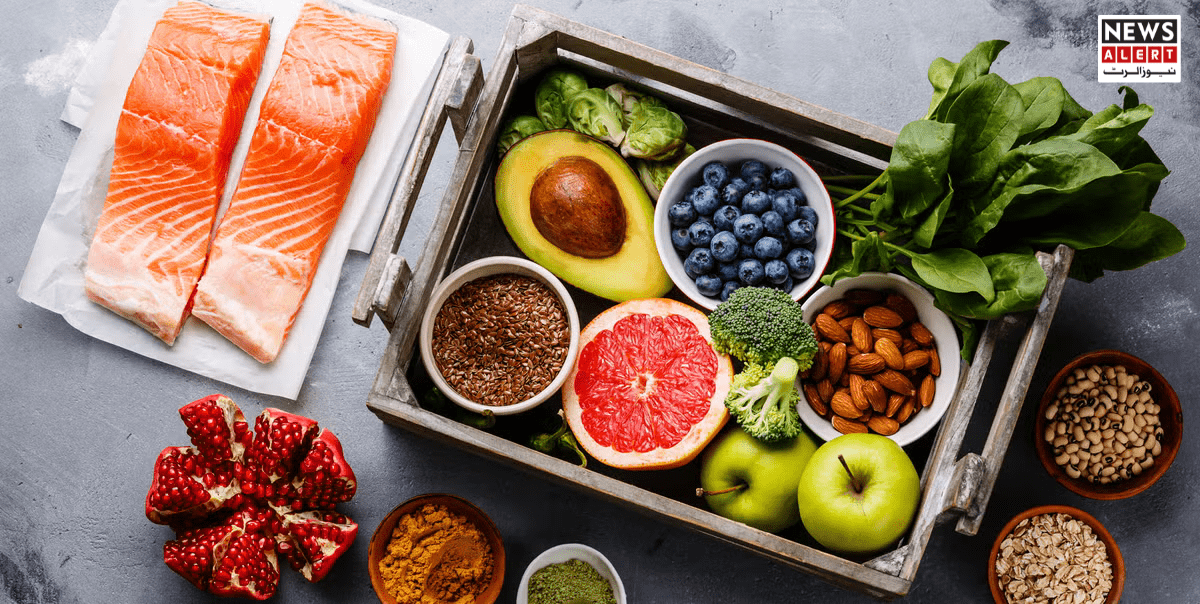
Apples have long been associated with better heart health. Research suggests that eating one apple a day may reduce hypertension risk by nearly 9 percent. Their plant compounds help reduce oxidative stress and may improve artery function.
Additionally, apples increase daily fibre intake, which is linked to improved cholesterol levels. Consequently, they support a healthier cardiovascular system.
2. Citrus Fruits
Citrus fruits such as oranges, lemons and grapefruits contain vitamins, minerals and antioxidants that support healthy arteries. Their high potassium content helps regulate blood pressure more effectively.
Moreover, studies indicate that daily fruit consumption stabilises blood pressure, with citrus fruits offering particularly strong benefits. Drinking citrus juice without added sugar may also be helpful.
3. Bananas
Bananas are widely recognized as potassium-rich foods, making them especially helpful for people with high sodium intake. Potassium supports kidney function and assists in removing excess salt from the body. Consequently, it reduces pressure on blood vessel walls.
A medium banana provides around 420 mg of potassium, which makes it a convenient choice for most diets.
4. Kiwi
Kiwis offer a valuable combination of vitamin C, antioxidants and potassium. These nutrients work together to support blood vessel health. According to several studies, eating two or three kiwis daily may lead to noticeable reductions in systolic blood pressure.
Their refreshing taste and versatile use make them easy to add to everyday meals.
5. Blueberries
Blueberries are rich in anthocyanins, which are powerful plant antioxidants. These compounds assist in improving artery flexibility and reducing inflammation. As a result, regular blueberry consumption may help lower blood pressure over time.
They also provide fiber and essential vitamins, strengthening their role in heart-healthy diets.
6. Pomegranate
Pomegranates contain high levels of polyphenols, which support blood vessel function. Drinking one cup of pomegranate juice daily has been shown to help lower both systolic and diastolic blood pressure. Nevertheless, experts recommend choosing juice without added sugar.
Because pomegranates are rich in antioxidants, they also contribute to long-term cardiovascular protection.
7. Walnuts
Walnuts provide healthy fats, antioxidants and omega-3 fatty acids. These elements help improve blood flow and reduce inflammation. According to research, daily consumption of walnuts may contribute to lower blood pressure levels.
Their nutrient profile also supports brain health, which makes them a smart dietary choice.
8. Pistachios
Pistachios have gained attention for their strong impact on cardiovascular health. Studies suggest that they may be more effective than other nuts in lowering blood pressure. They contain antioxidants and heart-friendly fats that support improved cholesterol levels.
In addition, pistachios offer protein and fiber, which makes them suitable for a balanced diet.
9. Almonds
Almonds provide antioxidants, healthy fats, fiber, magnesium and potassium. These nutrients work together to relax blood vessel walls and support proper heart rhythm.
Various studies show that consuming almonds daily for six weeks can stabilise blood pressure. Their ability to aid in weight management further strengthens their cardiovascular benefits.
10. Fish
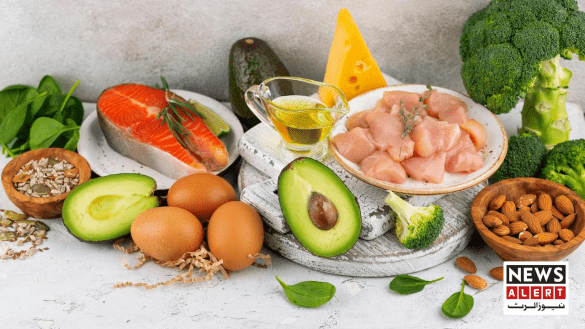
Fatty fish like salmon, sardines and mackerel contain omega-3 fatty acids. These healthy fats reduce inflammation and support flexibility in blood vessels. Because of this, global health guidelines recommend eating fish at least twice a week.
Including fish regularly may reduce the likelihood of developing hypertension and other heart-related conditions. Similarly, maintaining an appropriate pace during daily walks can strengthen cardiovascular health. A full explanation is available here.
11. Leafy Green Vegetables
Leafy vegetables such as spinach contain natural nitrates. The body converts these nitrates into nitric oxide, which helps relax blood vessels. Research demonstrates that eating one cup of leafy greens daily may significantly reduce blood pressure.
These vegetables also offer essential minerals, which makes them excellent foods with magnesium and potassium.
12. Beetroot
Beetroot is one of the most researched natural options for lowering blood pressure. Its nitrate content supports blood vessel dilation. Several studies show that drinking one cup of beetroot juice daily for four weeks can result in measurable improvements.
Because beetroot offers both short-term and long-term benefits, it is widely recommended for heart-health diets.
13. Carrots
Carrots contain plant compounds that help regulate important bodily functions. A study in 2023 found that eating 100 grams of carrots daily may reduce hypertension risk by up to 10 percent.
Their versatility allows them to be included in cooked meals, juices or salads.
14. Garlic
Garlic improves blood circulation and may help reduce artery stiffness. Several studies reveal that garlic consumption lowers blood pressure, cholesterol and inflammation. It is also used extensively in traditional medicine for heart health support.
Regular use in cooking provides an easy way to benefit from its positive effects.
15. Ginger
Ginger supplements may assist in lowering blood pressure. One study showed significant improvements after consuming 3 grams of ginger daily. Because ginger helps relax muscles surrounding blood vessels, it supports smoother blood flow.
It can be added to tea, meals or taken as a supplement.
16. Beans and Legumes
Beans, lentils and peas contain fiber, protein and minerals essential for cardiovascular health. Studies show that legumes increase nitric oxide levels, which improves blood vessel function.
Their ability to support weight management makes them particularly helpful for people with hypertension.
17. Tomatoes
Tomatoes contain potassium and lycopene. Lycopene is a strong antioxidant linked to reduced blood pressure and healthier arteries. Research indicates that eating tomatoes regularly helps stabilise blood pressure and reduce heart disease risk.
They can be consumed raw or cooked, offering flexibility in meal planning.
18. Oatmeal
Oatmeal contains soluble fiber, which helps lower cholesterol and support weight management. Studies show that oatmeal may also lower blood pressure. It keeps you full for longer and stabilises blood sugar levels, which indirectly benefits the heart.
Because it is affordable and simple to prepare, oatmeal remains a highly accessible heart-healthy food.
How These Foods Work Together
These foods to lower blood pressure act through multiple pathways. For example, potassium-rich foods remove excess sodium from the body. Additionally, magnesium rich foods relax blood vessel walls, while lean protein foods support overall heart function. Fibre-rich foods improve cholesterol levels, which reduces long-term cardiovascular strain. When combined with regular exercise, reduced salt intake and proper sleep, these foods create a strong defence against hypertension.
Frequently Asked Questions (FAQs)
How long does it take for diet to affect blood pressure?
Some foods, like beetroot juice, may show effects within hours; however, significant improvements usually take several weeks.
Are potassium-rich foods safe for everyone?
Most people benefit from potassium, but individuals with kidney disease should consult their doctor before increasing intake.
What are the best ways to lower blood pressure naturally?
A balanced diet, good sleep, physical activity, stress control and reduced sodium intake remain the most effective strategies.
Can oatmeal replace blood pressure medication?
No. Oatmeal supports heart health but cannot replace prescribed treatments.
Do citrus fruits interact with certain medications?
Grapefruit may interact with some medicines. Therefore, patients should consult their doctor before consuming it regularly.