Labour unions and families of victims of the 2012 Baldia Town factory fire have demanded a fresh investigation into the case, arguing that recent judicial developments have once again raised serious questions about accountability.
The demand was made during a press conference in Karachi by representatives of major labour organisations, including the National Trade Union Federation Pakistan and the Pakistan Workers Federation, alongside affected families.
The speakers urged authorities to revisit the case, insisting that responsibility for the tragedy has still not been properly determined.
Background of the Baldia Factory Fire
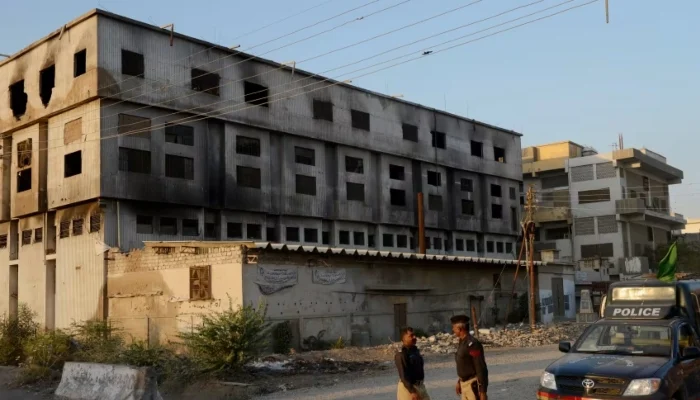
The Baldia Town factory fire, one of the deadliest industrial disasters in Pakistan’s history, occurred on September 11, 2012, in Karachi.
The blaze engulfed a garment factory, resulting in the deaths of 259 workers and injuries to many others. The incident shocked the country and raised major concerns about industrial safety standards, enforcement of labour laws, and building regulations.
Initially, two individuals—Abdul Rehman alias Bhola and Zubair alias Chariya—were accused of arson and extortion-related involvement in the case. However, their convictions were later overturned.
Supreme Court Verdict and Legal Developments
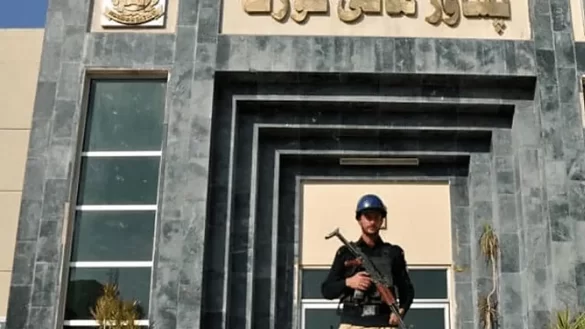
The renewed calls for investigation come in the wake of a recent Supreme Court ruling, which acquitted the two accused, overturning earlier death sentences handed down by a trial court and upheld by the Sindh High Court.
A three-member bench of the Supreme Court held that the prosecution had failed to prove its case beyond reasonable doubt and granted the accused the benefit of the doubt.
The judgment has reopened debate over whether the original investigation was complete and whether all responsible parties were properly identified.
Union Leaders Question Accountability
Labour representatives argued that the latest verdict strengthens long-standing concerns that the case may have been diverted away from its original direction.
They alleged that key aspects of the investigation did not adequately address the role of factory ownership, regulatory failures, and institutional oversight.
According to union leaders, the perception remains that no one has been held fully accountable for one of the country’s worst workplace tragedies.
Compensation and Unfulfilled Promises
Victims’ families also raised concerns that many compensation commitments made in the aftermath of the fire have still not been fully implemented.
They said that despite the passage of more than a decade, several affected workers’ families continue to struggle with financial and social hardships caused by the tragedy.
Ongoing Debate on Industrial Safety
The case continues to be seen as a defining moment in Pakistan’s labour rights history, highlighting long-standing issues related to workplace safety, enforcement of regulations, and corporate responsibility.
With renewed public discussion following the court ruling, labour groups are now pressing for a comprehensive review of the investigation to ensure that all potential individuals and institutions involved are examined under the law.
As calls for accountability grow stronger, the Baldia factory fire remains a powerful reminder of the human cost of industrial negligence and the challenges of delivering justice in complex cases.