More than 100 people have died across India since July as severe monsoon rains triggered floods, landslides, and lightning strikes in several states, according to official figures released on Wednesday.
The annual monsoon is vital for agriculture across South Asia, but scientists warn that climate change is making rainfall increasingly erratic, intense, and destructive, leading to more frequent weather-related disasters.
Assam Suffers the Highest Death Toll
India’s northeastern state of Assam has emerged as the worst-affected region during this year’s monsoon season.
According to Chief Minister Himanta Biswa Sarma, at least 87 people have lost their lives in the state since July.
The Sivasagar district has been hit particularly hard, accounting for 47 fatalities, while large areas remain submerged under floodwaters.
Appealing for public support, Sarma urged citizens to contribute financially to relief efforts.
“The devastation here is unlike anything these areas have witnessed before. Material losses can be restored, but no compensation can replace a loved one,” he said.
Thousands Evacuated in Kerala
Heavy rainfall has also caused widespread destruction in the southern state of Kerala, where authorities reported:
- 15 people killed
- Seven people missing
- More than 300 relief camps established
- Over 10,000 residents relocated to safer areas
Continuous rainfall triggered landslides in several locations, while overflowing rivers inundated low-lying communities, prompting large-scale rescue operations.
Emergency teams have been using boats and inflatable rafts to evacuate stranded residents from flooded neighborhoods.
Casualties Reported in Indian-Administered Kashmir
In Indian-administered Jammu and Kashmir, at least 31 people have died following several episodes of exceptionally intense rainfall, according to the state broadcaster.
The heavy downpours caused flash floods and widespread disruption, affecting transportation, infrastructure, and daily life in multiple areas.
Pakistan braces for widespread monsoon rains from July 29 as PMD warns of floods and landslides
Lightning Claims More Lives in Eastern India
Monsoon-related lightning strikes have also proved deadly.
Disaster management officials said at least 22 people have died in the eastern states of Bihar and Jharkhand since Tuesday.
Most of the victims were farmers working in paddy fields or people tending livestock, while four children were also among those killed.
Lightning fatalities remain a recurring hazard during India’s annual monsoon season.
Climate Change Increasing Weather Extremes
Experts say that while the monsoon is essential for replenishing water supplies and supporting agriculture, climate change is contributing to increasingly unpredictable weather patterns across South Asia.
More frequent episodes of intense rainfall are raising the risk of flooding, landslides, and other natural disasters, placing greater pressure on emergency services and vulnerable communities.
Sri Lanka Also Battled Severe Weather
Neighboring Sri Lanka has also experienced unusually heavy monsoon rains.
According to the country’s Disaster Management Centre:
- At least eight people have died since Monday.
- Around 12,000 people have been displaced by flooding and mudslides.
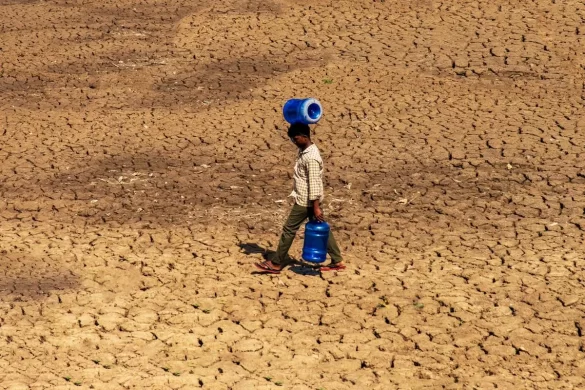
At the same time, eastern parts of Sri Lanka are experiencing severe drought, forcing authorities to transport drinking water by tanker trucks—a stark illustration of the increasingly extreme and uneven weather patterns affecting the region.
Relief Operations Continue
Authorities across the affected regions continue to conduct rescue and relief operations as emergency teams assist displaced families and restore damaged infrastructure.
Officials have urged residents in vulnerable areas to remain alert, avoid unnecessary travel, and follow weather advisories as heavy rainfall is expected to continue in parts of the country.