The agreement could reshape Venezuela’s oil industry, but major questions remain over its legal basis, financial structure and long-term viability.
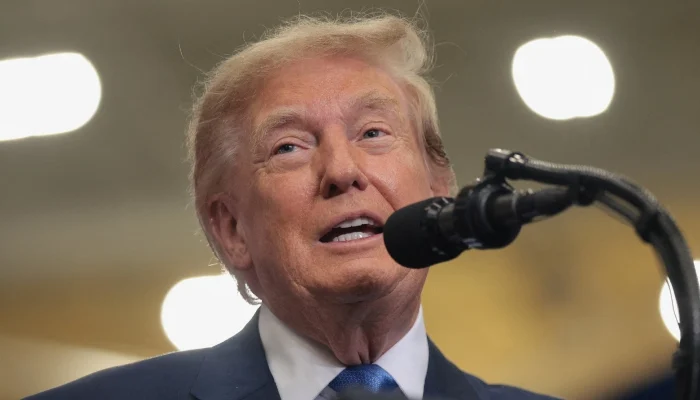
US President Donald Trump has announced what he described as an unprecedented agreement giving the United States majority control over a portion of Venezuela’s vast oil reserves, as Washington seeks to expand crude supplies and revive the South American country’s struggling energy industry.
According to Trump, the United States has secured majority control of more than 65 billion barrels of Venezuela’s proven oil reserves through a partnership involving private businesses.
A Major Shift in Venezuela’s Oil Industry
The proposed arrangement would significantly expand the US role in Venezuela’s energy sector. Trump said the deal would not cost American taxpayers and could help secure additional crude supplies for US refineries.
Venezuela holds the world’s largest proven oil reserves but currently produces only around 1.25 million barrels of oil per day. Production remains far below its potential following years of underinvestment, mismanagement and international sanctions.
However, Trump provided few details about how the United States would exercise majority control over the reserves. He did not identify the specific companies involved or disclose the exact financial and legal structure of the agreement.
Rubio Calls Agreement a “Win-Win”
US Secretary of State Marco Rubio described the proposed arrangement as beneficial for both countries. He said it would provide the United States with a stable and potentially lower-cost source of oil while helping Venezuela rebuild its economy.
Rubio said the deal could attract nearly $100 billion in private investment and create thousands of high-paying jobs.
Meanwhile, Venezuela’s interim leader, Delcy Rodriguez, said the agreement would allow for a significant increase in oil production through the development of 17 strategic fields. She also projected that the country could receive $209 billion in tax revenue.
Reuters reported that the oilfields under discussion are located in the Orinoco Belt and Lake Maracaibo regions, two of Venezuela’s most important oil-producing areas.
US Forces Seize Another Venezuelan Oil-Linked Vessel in Caribbean
Legal and Financial Questions Remain
Despite the ambitious announcements, analysts say the agreement’s success will depend heavily on its legal and financial framework.
Some experts have questioned whether a US government lease or similar arrangement would comply with Venezuela’s constitution and hydrocarbons laws. Venezuela’s oil industry has historically remained under strong state control, particularly since its nationalisation in the 1970s.
David Goldwyn, president of Goldwyn Global Strategies, said there appeared to be no clear precedent for the US government directly entering into a lease to operate Venezuelan oilfields.
Analysts have also warned that political uncertainty, weak infrastructure, limited export capacity and an unreliable power grid could discourage large-scale investment.
Impact on US Fuel Prices Uncertain
The Trump administration hopes that expanded Venezuelan oil production could eventually increase supplies and help ease pressure on US gasoline prices.
However, analysts caution that any major increase in production could take years. Venezuela’s heavy crude requires substantial investment in infrastructure for extraction, transportation and refining.
The United States is also considering Venezuelan crude as a possible option for strengthening its Strategic Petroleum Reserve.
While the announcement signals a potentially major shift in US-Venezuela relations, the ultimate impact of the agreement will depend on whether Washington and Caracas can overcome significant legal, political and operational challenges.