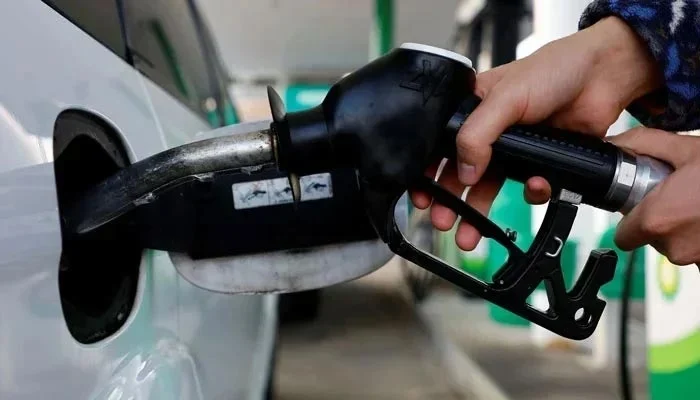
ISLAMABAD: Diesel prices in Pakistan could fall by around Rs18 to Rs20 per litre after the government decided to further reduce the capped high-speed diesel (HSD) crack spread to $30 per barrel.
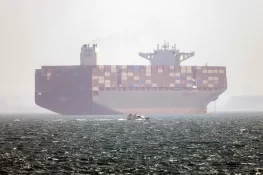
The proposed mechanism would link the HSD crack spread to the landed cost of crude oil for each individual refinery and remain in effect until the situation surrounding the Strait of Hormuz improves, The News reported on Saturday, citing a senior petroleum ministry official.
Govt proposes further cut in HSD crack spread
The government had previously reduced the price of diesel by Rs32 per litre on August 19 after capping the HSD crack spread at $41.8 per barrel, significantly below the international market crack of around $68–70 per barrel at the time.
The refinery crack had also been reduced to $41.5 per barrel in April, a move estimated to have caused around Rs24 billion in refinery losses.
Under the latest proposal, the capped HSD crack spread would be reduced from $41.8 to $30 per barrel. Officials expect the move to translate into a retail diesel price reduction of approximately Rs18–20 per litre.
However, the mechanism has been designed to prevent the gross refinery margin (GRM) of individual refineries from falling into negative territory.
Officials say maintaining positive financial performance is particularly important for refineries seeking foreign financing for around $5 billion in planned upgrade projects.
Diesel pricing linked to landed crude cost
Under the proposed system, the $30-per-barrel HSD crack would be calculated against the landed crude cost applicable to each refinery.
The landed cost can include expenses such as freight, insurance, war-risk charges, crude premiums and other related costs.
An official gave the example of a refinery importing Murban crude at around $90 per barrel. Once premiums, insurance, freight and war-risk charges are included, the crude’s landed cost in Pakistan could exceed $101 per barrel.
A similar calculation would apply to crude imported by Cnergyico PK Limited, with the HSD crack linked to the refinery’s actual landed crude cost.
Officials said the mechanism would help refineries recover additional costs while still allowing consumers to benefit from the lower HSD crack spread.
Petrol pricing formula to remain unchanged
The government is taking a different approach to petrol because the market dynamics are significantly different.
The petrol margin currently stands at around $0–2 per barrel, while approximately 70% to 75% of petrol is imported.
As a result, the existing petrol pricing formula will remain unchanged for now.
The government’s immediate concern is the rising cost of diesel, which has a major impact on transportation and inflation. Inflation has already reached 11.1%, while the price of diesel has risen to Rs374.31 per litre.
Government Raises Petrol Price by Rs5.77, Diesel by Rs6.47 Per Litre
HSD crack spreads affected by global crises
Officials noted that HSD crack spreads can rise sharply during exceptional global disruptions.
Such spikes were seen during the Ukraine war, the Covid-19 pandemic and the current Iran-related conflict.
Under more normal market conditions, international HSD crack spreads have generally remained around $30–35 per barrel, allowing refineries and oil marketing companies to maintain profitability.
Pakistan is currently producing 100% of its HSD requirements domestically, making the pricing of locally refined diesel particularly significant.
Proposal awaits approval from PM Shehbaz
The proposal was finalised during the seventh meeting of the Petroleum Price Committee held on September 2, 2026.
It will now be presented to Prime Minister Shehbaz Sharif for approval before being sent to the Cabinet Committee on Energy (CCOE) for formal consideration.
The committee also reviewed a KPMG-proposed crack-based trigger mechanism as part of the broader move towards deregulation of petrol and HSD.
Import parity and daily pricing were reaffirmed as the underlying principles of the proposed system.
HSD crack collar proposed
For HSD, the committee discussed a proposed $10–30 per barrel crack collar.
The committee agreed that these levels would function as vigilance triggers rather than rigid price floors, ceilings or automatic intervention points.
Officials stressed that crack-spread movements should be assessed alongside the overall economics of refineries, including GRMs, crude premiums and freight costs.
During the sixth meeting, industry stakeholders had broadly agreed that a breach of the $30-per-barrel level should trigger increased monitoring.
If the seven-day rolling average moves beyond either the $10 floor or $30 ceiling, Ogra would convene a meeting with refineries operating in Pakistan to review their GRMs and the broader market situation.
Petrol deregulation planned for next year
The committee also decided that petrol would be deregulated by June next year as part of the broader transition towards a market-based fuel pricing system.
Officials also discussed changes to the Inland Freight Equalisation Margin (IFEM).
Under one proposal, the existing 20+2 depot-primary-location model would be replaced with a 9+2 model, with pipeline-connected and strategically important locations remaining within the primary network.
Other movements would shift to secondary freight arrangements, with the aim of increasing competition and efficiency among market players.
The committee estimated that the change could generate savings of around Rs2.5–3 billion, while its impact on the nationally announced fuel price would be limited to approximately Rs0.10–0.20 per litre.
Committee discusses windfall gains
The Petroleum Price Committee also examined how potential windfall gains should be treated.
An official said his position was that windfall profits should refer to gains made without a corresponding increase in input costs. However, representatives of the Federal Board of Revenue (FBR) disagreed with the interpretation.
The matter will now be discussed between the Petroleum Division and Finance Division.
Officials also argued that temporary profit increases should not automatically be classified as windfall gains if companies subsequently incur losses during another period.
The committee noted that ordinary inventory gains and losses caused by cyclical price movements generally reverse over time and should be distinguished from extraordinary, non-reversing gains.
Based on financial analysis presented to the committee, compliant oil marketing companies, including Pakistan State Oil (PSO), were not found to have earned abnormal profits during FY26.
The committee also noted that the companies’ existing tax burden already captures a substantial portion of such gains.
It therefore concluded that no additional intervention against compliant oil marketing companies was warranted at this stage. The issue of stock audits has already been referred to Ogra on the prime minister’s directions.