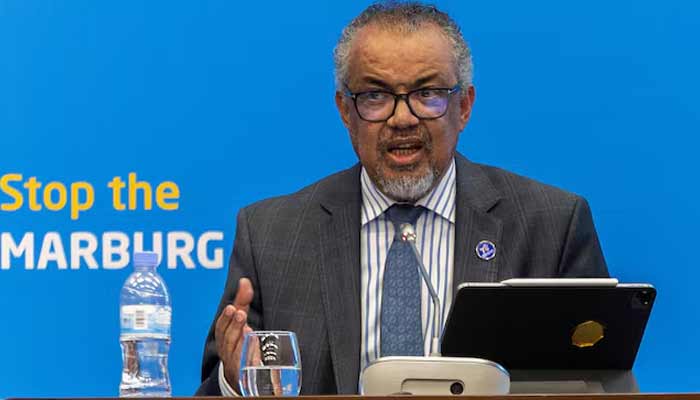
The World Health Organization (WHO) has urged Russia to provide more information following the death of a laboratory technician in Irkutsk and reports that another employee has developed pneumonia of unknown origin.
WHO Director-General Tedros Adhanom Ghebreyesus said on Wednesday that greater transparency was needed to establish what caused the illness and assess any potential public health threat.
The WHO has also offered technical assistance to Russian authorities if requested.
WHO seeks details about laboratory worker’s death
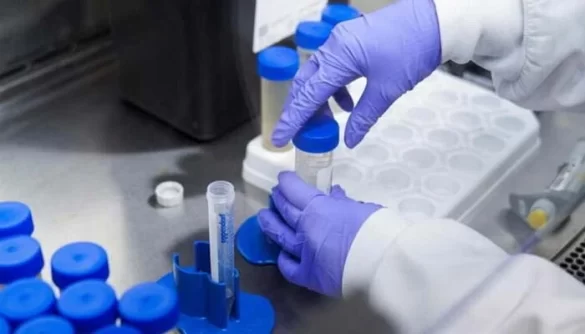
Tedros said the WHO had been closely monitoring reports about the death of a laboratory worker at the Irkutsk Anti-Plague Research Institute.
The employee died on October 2 after being hospitalised with severe pneumonia. Initial media reports suggested the possibility of pneumonic plague following an alleged accidental exposure in the laboratory.
However, the cause of the illness and death has not been publicly established.
The WHO contacted Russian authorities on Saturday under the International Health Regulations (IHR) to request further information. Russia responded to the organisation on Tuesday.
Tedros said the WHO had requested additional details about the cause of the severe pneumonia, the pathogen that prompted public health measures and reports concerning a second employee suffering from pneumonia of undetermined cause.
FDA recalls chlorthalidone blood pressure tablets over dissolution failure
WHO says risk remains limited
The International Health Regulations provide a legally binding framework governing how countries respond to public health events that could pose risks across national borders.
Under the framework, countries are expected to provide information and respond to requests from the WHO within 24 hours in relevant circumstances.
Based on the information currently available, the WHO’s initial assessment places the public health risk at moderate to low for the Irkutsk region, low for Russia overall and very low for Europe.
Tedros stressed that timely and transparent information sharing was necessary to resolve conflicting reports and allow health authorities to make an accurate assessment.
WHO stresses international cooperation
The latest developments have renewed attention on the importance of international cooperation in responding to potentially serious infectious disease incidents.
Speaking in Tanzania on Tuesday to parliamentarians from around the world, Tedros said cooperation between countries on health issues was indispensable.
“Viruses do not respect borders,” he said.
The WHO has said it remains ready to provide technical support to Russia as authorities continue investigating the reported illness and determining its cause.