An ongoing El Niño event is strengthening rapidly and could become one of the strongest recorded since at least 1950, increasing the risk of extreme heat, drought and flooding across parts of the world, the World Meteorological Organization (WMO) said Thursday.
In its latest Global Seasonal Climate Update, the UN weather agency said there is a near-100% likelihood that El Niño will continue through February 2027, with the phenomenon expected to reach its peak around December.
“El Niño is firmly established and strengthening rapidly,” WMO Secretary-General Celeste Saulo said, warning that the event could potentially rank among the strongest observed since records began in 1950.
Pacific temperatures could reach unprecedented levels
The WMO forecast that the average sea-surface temperature anomaly in the Niño 3.4 region of the central and eastern equatorial Pacific could reach around 3.7°C above normal during October-December.
If realised, that would be the highest level recorded since observations began, according to the WMO.
The previous record was about 2.6°C above normal during November 2015-January 2016, when a particularly strong El Niño contributed to widespread weather disruptions and helped drive global temperatures higher.
The current event is expected to continue influencing weather conditions well into early 2027.
Rainfall patterns expected to shift
El Niño typically affects atmospheric circulation and rainfall patterns far beyond the tropical Pacific.
The WMO expects wetter-than-normal conditions in several regions, including the Greater Horn of Africa, parts of Central and East Asia, northern areas of the Arabian Peninsula, parts of North America and southeastern South America.
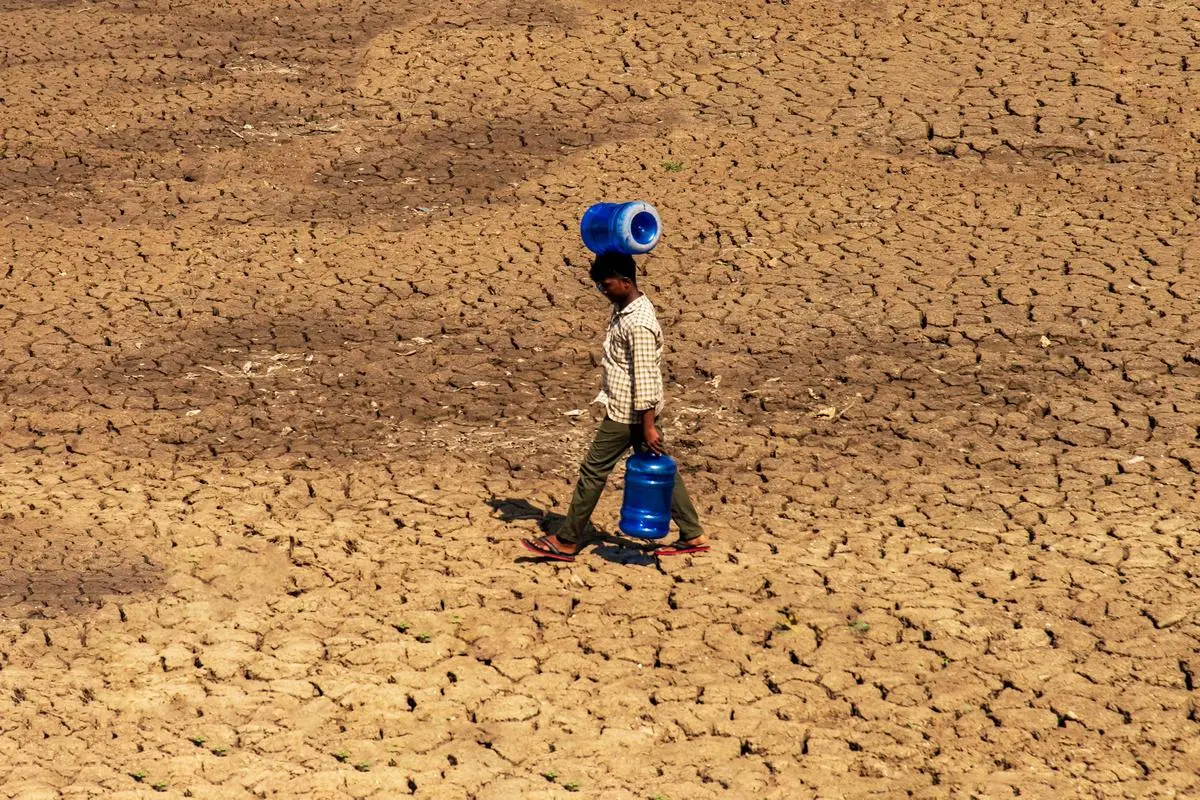
At the same time, drier-than-normal conditions are forecast across the Indian subcontinent, southern Central America, parts of the Caribbean and northwestern South America.
Such changes could increase pressure on agriculture and water supplies in areas experiencing prolonged dry conditions, while heavier rainfall could raise the risk of flooding elsewhere.
Ocean heat adds to global climate risks
Saulo stressed that El Niño does not create additional heat for the planet. Instead, the phenomenon releases heat that has accumulated in the Pacific Ocean into the atmosphere.
However, she warned that the ocean supplying heat to the current event is already exceptionally warm.
The combination of a strong El Niño and elevated global temperatures could increase the likelihood of extreme weather in different parts of the world, although the precise effects will vary by region.
The WMO said national meteorological services and regional climate forums are continuing to issue updates to governments and humanitarian organisations to help them prepare for potential climate-related risks.
The agency also stressed the importance of early warnings and preparedness as the El Niño event develops toward its expected peak later this year.