Oil prices rose on Wednesday as tensions escalated in the Strait of Hormuz following attacks on two vessels and reports that Iran had adopted new tactics to target ships passing through the strategic waterway.
Brent crude futures gained 63 cents, or 0.6%, to reach $106.32 a barrel by 0345 GMT. US West Texas Intermediate (WTI) crude futures rose 66 cents, or 0.7%, to $94.80 a barrel. Both benchmarks had climbed by more than $1 earlier in the session before surrendering some of their gains.
The price increases came after two senior Iranian officials told Reuters that Tehran was deploying new tactics against vessels it considers to be violating its restrictions on shipping through the strait. The officials said the approach was intended to maintain pressure on global oil prices and influence the upcoming US midterm elections.
Two Ships Hit in the Strait of Hormuz
The United Kingdom Maritime Trade Operations (UKMTO) reported on Tuesday that a container ship and an oil tanker had been struck by unknown projectiles while travelling through the Strait of Hormuz.
Iranian officials declined to disclose specific details of the new strategy. However, one official said Tehran had begun using different offensive tactics against vessels it believed were breaching its restrictions approximately 10 days earlier.
The official said the change had contributed to an increase in attacks on targeted ships.
Iran has sought to strengthen its control over the strait since the United States and Israel launched strikes against the country on February 28. Restrictions and security threats have significantly disrupted maritime traffic, increasing uncertainty over the movement of oil and other energy supplies.
Before the conflict, the waterway carried approximately one-fifth of global oil and liquefied natural gas trade, making any prolonged disruption a major concern for energy markets.
Iran’s Strategy Raises Concerns Over Oil Prices
Market analysts warned that Iran’s reported shift in tactics could complicate efforts to bring energy prices down.
Priyanka Sachdeva, head of market insights at Phillip Nova, said the reported strategy highlighted the potential economic consequences of the continuing tensions.
She argued that Iran’s geographic position gives it considerable leverage over global energy markets, particularly when shipping through the Strait of Hormuz faces security threats.
Higher crude prices can increase transportation and production costs, add to inflationary pressures and complicate economic policy decisions in major economies.
The prospect of further attacks has therefore added to concerns that geopolitical developments could keep oil prices elevated, even as governments and market participants look for ways to stabilise supplies.
Houthi Attack on Saudi Aramco Facility Adds to Supply Fears
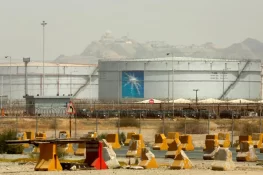
Regional tensions also intensified after Yemen’s Iran-aligned Houthi group attacked an administrative building belonging to Saudi state-owned oil company Saudi Aramco in Dhahran, according to Saudi Arabia’s energy ministry.
The attack caused a limited fire, the ministry said.
The Houthis have launched ballistic missiles and drones towards Saudi Arabia over the past week, describing their actions as retaliation for the kingdom’s support for Yemeni government forces.
Oil Prices Fluctuate as Saudi Attacks Offset Hopes of More Russian Diesel
The latest developments have raised concerns about the security of Saudi energy infrastructure and the potential for further disruptions to regional oil supplies.
Hiroyuki Kikukawa, chief strategist at Nissan Securities Investment, said supply concerns linked to the conflict between the Houthis and Saudi Arabia were contributing to higher oil prices.
However, he noted that an expected increase in Russian diesel exports could ease pressure on fuel markets and limit sharp price movements. Kikukawa projected that WTI crude could trade between $90 and $100 a barrel.
Saudi Arabia and OPEC+ Increase Oil Production
Supply-side developments have also influenced market expectations.
Saudi Arabia increased oil production last month despite disruptions to shipments caused by the US-Iran war. The move contributed to a sharp rise in overall output from OPEC+, which includes members of the Organisation of the Petroleum Exporting Countries and partner producers such as Russia, according to OPEC data released on Tuesday.
Higher production could help offset some supply losses if shipping conditions deteriorate further. However, additional output may not fully reassure markets if traders believe that oil shipments could face continuing security threats.
The balance between increased production and the risks surrounding major export routes remains a key factor in determining the direction of crude prices.
Russia’s Diesel Deal With the US Draws Attention
Separately, the Russian government said on Tuesday that it saw no direct connection between peace negotiations with Ukraine and its agreement to export diesel to the United States.
The statement followed a Reuters report that US envoys had told Ukrainian officials the diesel arrangement formed part of an effort to encourage Russia to return to negotiations over a possible peace settlement.
Expected increases in Russian diesel exports could ease pressure on global fuel supplies, although uncertainty surrounding the wider geopolitical situation continues to weigh on market sentiment.
For now, oil markets remain sensitive to developments in the Strait of Hormuz, attacks on regional energy infrastructure and decisions by major producers. Further disruption to commercial shipping could sustain upward pressure on prices, while increased production and additional fuel exports may help limit further gains.