ISLAMABAD: The federal government on Wednesday tabled a resolution in the National Assembly seeking parliamentary approval of President Asif Ali Zardari’s proclamation of emergency in Khyber Pakhtunkhwa (K-P) under Article 232 of the Constitution.
The move follows the imposition of emergency measures in the province on October 11, amid a dispute between the federal government and the Pakistan Tehreek-e-Insaf (PTI)-led provincial administration over the security situation and counter-terrorism efforts.
Minister for Parliamentary Affairs Tariq Fazal Chaudhry presented the resolution before the lower house of parliament.
During the session, Chaudhry also moved a motion to suspend Question Hour to allow lawmakers to take up other parliamentary business. Opposition members opposed the proposal, but it was passed by a majority vote.
Tarar Defends Emergency Proclamation
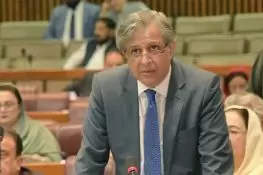
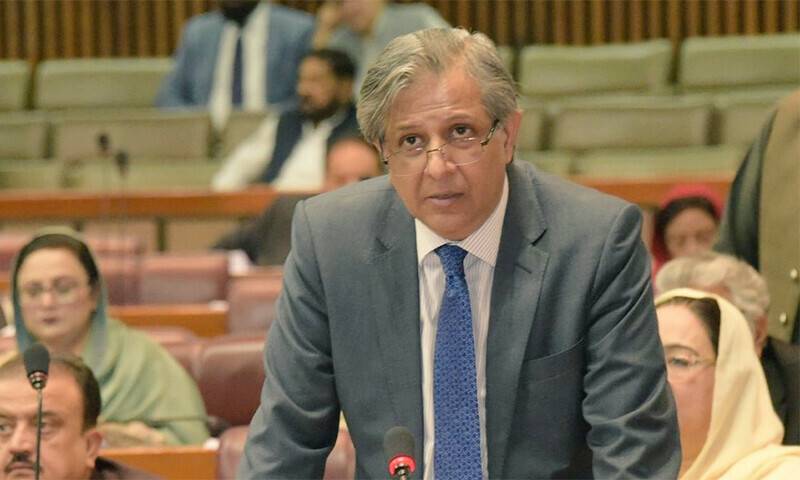
Law Minister Azam Nazeer Tarar defended the federal government’s decision, saying the emergency measures followed extensive deliberations and an assessment of the security situation in K-P.
He told the National Assembly that Article 232 of the Constitution required a presidential proclamation of emergency to be placed before both houses of parliament, the National Assembly and the Senate, for approval within 10 days of its issuance.
Responding to criticism that the move had undermined an elected provincial government, Tarar said the federal cabinet had held a discussion lasting approximately two and a half hours before recommending the measures to the prime minister.
He cited internal disturbances and cross-border incursions as key factors behind the decision.
Law Minister Raises National Security Concerns
Tarar alleged that the K-P government’s approach to counter-terrorism had increasingly become a threat to national security, particularly over the past year.
“The attitude that the K-P provincial government has maintained regarding the war against terror, particularly over the past one year, since the present cabinet took control there, from Oct 15, 2025, to an alarming degree, was becoming a threat to national security,” he said.
The law minister argued that effective counter-terrorism operations required close coordination between federal and provincial authorities.
He stressed that political differences should not obstruct security efforts, saying a unified response was necessary to address the threats facing the country.
Tarar also linked the rise in terrorist activity since 2021 to a combination of external, diplomatic and political developments. He accused PTI of pursuing policies that, in his view, had worsened the security situation.
These remarks represented the federal government’s justification for the emergency measures as parliament began considering the resolution.
Bilawal calls K-P emergency a political ‘atomic bomb’
Tribute to Security Forces and Civilians
During his address, Tarar acknowledged the sacrifices made by Pakistan’s armed forces, police personnel and civilians in the fight against terrorism.
He said their efforts had enabled the country to make progress despite persistent security challenges.
The minister reiterated that cooperation between federal and provincial governments was essential to sustaining counter-terrorism operations and protecting national security.
Parliament to Consider Emergency Approval
The resolution places the emergency proclamation before parliament for the constitutionally required approval process.
Article 232 provides the constitutional framework for proclaiming an emergency in specified circumstances. Under the procedure outlined by Tarar, both the National Assembly and the Senate must consider the proclamation within the prescribed period.
The government maintains that the measures were necessary to address security challenges in K-P, while the move has raised concerns over the suspension of the authority of an elected provincial administration.
The parliamentary proceedings are expected to remain a focal point of the dispute between the federal government and PTI over provincial governance, counter-terrorism policy and the constitutional limits of emergency powers.