
Global oil prices extended their gains on Thursday as growing tensions in the Middle East and reports of attacks on shipping in the Strait of Hormuz raised concerns about potential disruptions to crude supplies. The latest developments followed claims by Yemen’s Houthi group that it had attacked Saudi Arabia’s largest oil refinery and reports from Iranian media that oil tankers had struck naval mines in the strategic waterway.
Brent crude futures rose to around $94.71 per barrel in early Asian trading, while US West Texas Intermediate (WTI) crude increased to approximately $84.03. Prices had already recorded significant gains in the previous session.
Attacks on Saudi Oil Refinery Increase Market Concerns
Oil prices climbed on Wednesday after Yemen’s Iran-aligned Houthi group claimed responsibility for attacks on Saudi Arabia’s Ras Tanura oil refinery and Riyadh’s financial district.
Ras Tanura is Saudi Arabia’s largest oil refinery and forms part of a wider energy complex that also serves as a major export terminal for Saudi crude.
Analysts believe the reported attacks could increase the geopolitical risk premium in international oil markets, as traders assess the possibility of further disruptions to energy infrastructure in the region.
Brent crude settled 3.5 per cent higher on Wednesday, while WTI gained 2 per cent.
Reports of Mine Strikes Disrupt Shipping in Strait of Hormuz
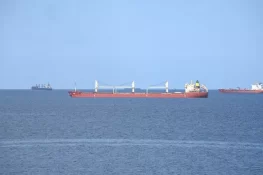
Shipping activity has also faced disruption in the Strait of Hormuz, one of the world’s most important routes for international oil transportation.
Iranian state media reported that two oil tankers struck mines and exploded in the strait on Wednesday. Separately, Iran’s semi-official Fars news agency cited an Iranian Army statement saying another tanker hit a naval mine and caught fire inside a restricted zone.
The reports have heightened concerns about the safety of commercial vessels operating in the area.
The Strait of Hormuz connects the Persian Gulf with the Gulf of Oman and is a critical passage for oil exports from several major energy-producing countries. Any prolonged disruption could affect global supplies and increase transportation costs.
Oil Prices Fall More Than 1% as Global Supply Surplus Concerns Weigh on Market
Analysts Warn of Possible Supply Disruptions
Daniel Hynes, an analyst at ANZ, said the widening Middle East conflict threatened to interrupt the recent recovery in oil shipments.
Persian Gulf crude exports had increased during the previous week, although they remained on a declining trend, according to the analyst.
Oil supplies had been recovering towards levels seen before the conflict, but the latest security developments have raised questions about whether that recovery can continue.
US Oil Inventories and Upcoming OPEC+ Meeting
US crude inventories also influenced market sentiment. According to the Energy Information Administration, American crude stocks increased by 1.1 million barrels to 418.9 million barrels in the week ending November 20.
The increase was smaller than analysts had expected, providing additional support to oil prices.
Meanwhile, OPEC+ ministers are scheduled to hold meetings on November 29 to discuss the group’s oil production policy for 2027.
The discussions are expected to involve challenges related to the United Arab Emirates’ departure from the group, as well as requests from Iraq and Kazakhstan to revise estimates of their production capacity.
Oil Markets Remain Sensitive to Middle East Developments
The latest gains follow a period of declining oil prices earlier in November, when expectations of a global supply surplus weighed on the market.
However, attacks on energy infrastructure and reports of incidents involving commercial vessels have shifted attention back towards geopolitical risks.
Traders will continue monitoring developments around the Strait of Hormuz and Saudi energy facilities, as any further escalation could affect oil exports and influence international crude prices.
Source: The Express Tribune, based on Reuters reporting.