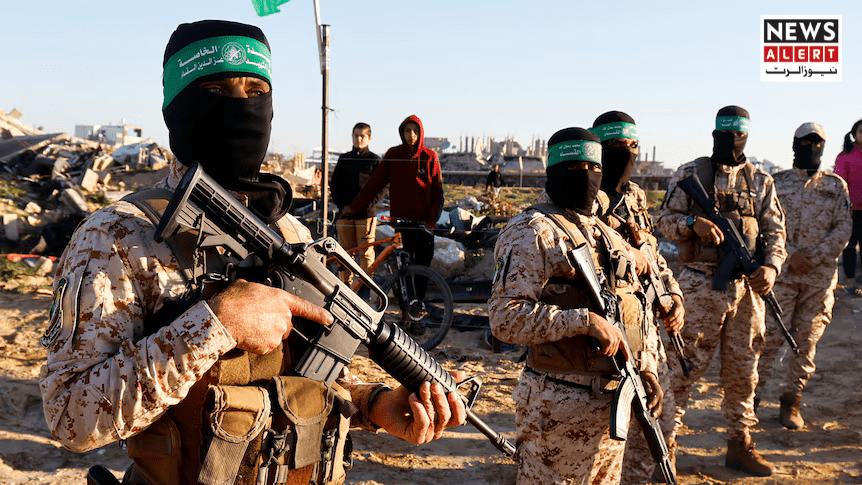
The Israeli military has reported that over 40 Hamas fighters were killed in Gaza last week during a series of targeted operations. According to the Israeli Defense Forces (IDF), these operations specifically focused on militants hiding in the extensive tunnel network in the Rafah area, near the Egyptian border. Meanwhile, concerns are rising over potential ceasefire violations and the humanitarian impact on civilians in the region.
Israeli Military Targets Rafah Tunnels
The IDF stated that the operations aimed to dismantle tunnels used by Hamas for smuggling weapons and facilitating militant movements. Moreover, the military claimed that it now controls the upper sections of the tunnel network, while several fighters remain trapped underground.
By securing the tunnel tops, we limit the militants’ mobility, an IDF spokesperson said. However, the trapped fighters continue to pose operational and humanitarian challenges. Consequently, the military has been negotiating safe measures to handle those still inside without endangering its personnel.
Strategic Importance of Gaza’s Tunnel Network
Rafah has long been recognized as a key hub for Hamas’ tunnel system. These tunnels serve multiple functions: transporting weapons, moving fighters discreetly, and sheltering militants during Israeli airstrikes. In addition, experts note that Gaza’s underground network is intricate and often intersects with civilian structures, further complicating military interventions.
Even though the IDF claims control of the upper sections, international reports indicate that significant numbers of militants remain deep underground. As a result, the situation continues to be tense and unpredictable.
Hamas Calls for International Mediation
In response, Hamas has urged international mediators to step in. Specifically, the group called on foreign governments and organizations to pressure Israel into providing a safe passage for fighters trapped in the tunnels.
Hamas emphasized the humanitarian aspect, noting that the trapped militants face imminent danger due to the risk of tunnel collapses and ongoing strikes. While the group did not name specific mediators, previous negotiations in Gaza often involved Egypt, Qatar, and the United Nations. Therefore, international diplomacy could play a critical role in preventing further casualties.
Ceasefire Concerns and Regional Impact
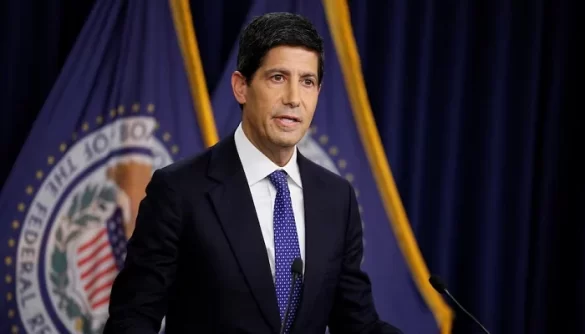
These developments have sparked renewed concerns over potential ceasefire violations. Both Israel and Hamas have accused each other of breaching previous agreements, and as noted in US Vice President: Israel’s Response to Gaza Attack Was to Be Expected, the international community is closely monitoring Israel’s actions. Consequently, analysts warn that repeated military operations in Rafah may escalate tensions, particularly in densely populated areas.
Humanitarian organizations continue to highlight the risks to civilians. According to the United Nations, Gaza houses over 2 million residents in one of the most densely populated areas globally. Thus, any military activity, especially around Rafah, carries severe risks for non-combatants.
Broader International Context
The conflict in Gaza reflects a broader cycle of periodic escalations between Israel and Hamas. Notably, tunnel networks have been a consistent feature of Hamas’ tactics, prompting repeated Israeli responses. Therefore, international observers often call for restraint, emphasizing dialogue, ceasefire enforcement, and humanitarian access.
As the situation develops, attention remains on Rafah’s tunnels. Ultimately, negotiations to evacuate trapped militants may set a precedent for balancing military objectives with humanitarian considerations in Gaza.