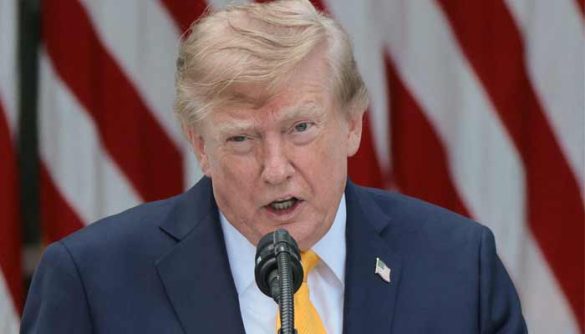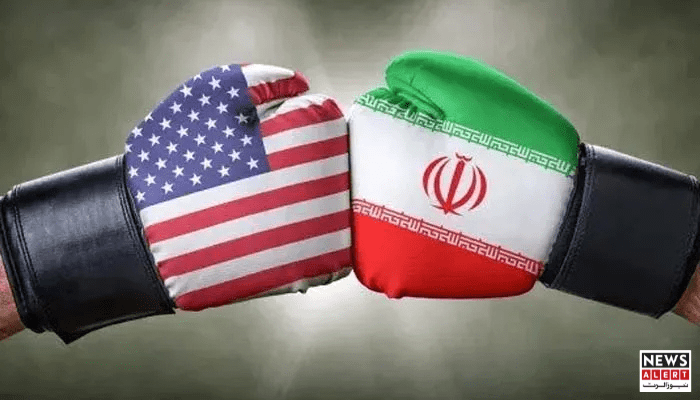
Former US President Donald Trump has announced a new trade threat targeting countries that continue commercial relations with Iran. Under the proposal, any country trading with Iran would face an additional 25 percent tariff on its trade with the United States.
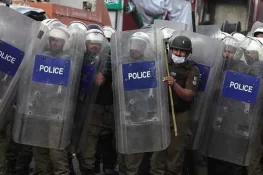
The announcement comes at a sensitive moment. Iran is experiencing renewed anti-government protests. Tehran has accused Western countries, including the US, of backing the demonstrations. Against this backdrop, Trump’s statement adds another layer of pressure on Iran and its key economic partners.
Although no formal executive order has yet been issued, the warning signals a potential return to aggressive economic measures. These policies defined Trump’s earlier approach to Iran.
A Renewed Hard Line on Iran
Trump’s remarks revive memories of his maximum pressure campaign. During his presidency, the US withdrew from the 2015 nuclear deal. It then imposed sweeping sanctions on Iran’s energy, banking, and shipping sectors.
The new tariff threat follows a similar logic. Instead of only targeting Iran, it also penalises third countries. These are nations that continue to buy Iranian goods or sell products to Tehran.
According to Trump, the aim is to isolate Iran economically. He argues that trade restrictions can force political change. Critics, however, say such measures often hurt ordinary citizens more than governments.
China: Iran’s Largest Trading Partner
China is by far Iran’s most important economic partner. Trade between the two countries has grown steadily despite US sanctions.
In 2022, Iranian exports to China reached $22 billion. More than half came from fuel and energy products. During the same year, China exported $15 billion worth of goods to Iran.
By 2025, China reportedly bought over 80 percent of Iran’s seaborne oil exports. Much of this trade used complex shipping routes to avoid sanctions scrutiny.
If a 25 percent US tariff were imposed, Chinese exporters could face serious cost increases. This would complicate already tense US–China trade relations.
India’s Limited but Strategic Trade
India’s trade with Iran is smaller but strategically important. In the first ten months of 2025, total bilateral trade stood at $1.34 billion.
India mainly exports basmati rice, fruits, vegetables, medicines, and pharmaceutical products to Iran. These goods are essential for Iran’s food and health sectors.
New US tariffs could force Indian companies to choose between two major markets. This would be a difficult decision for exporters already navigating global uncertainty.
Also Read: Trump Warns India Over Russian Oil: Threatens Higher Tariffs if Cooperation Fails
Turkey and Germany: Strong Regional Links
Turkey remains one of Iran’s key regional partners. In 2022, Turkish exports to Iran reached $5.8 billion. Imports from Iran stood slightly higher at $6.1 billion.
Germany also maintains trade ties, though at lower levels. German exports to Iran were valued at $178 million, while imports reached $1.9 billion. Much of this trade involves industrial goods and machinery.
Both countries could face economic consequences if US tariffs are enforced. European firms are already cautious due to existing sanctions.
South Korea and Japan: Smaller but Notable Trade
South Korea exported $129 million worth of goods to Iran in 2025. Imports from Iran were minimal, at $1.6 million. Trade volumes remain limited due to sanctions.
Japan’s trade with Iran is modest. It mainly imports small quantities of fruit, vegetables, and textiles. Japan exports machinery and vehicle engines to Iran.
Even limited trade could trigger penalties under Trump’s proposal.
Why Oil Remains Central
Oil is Iran’s most important export. It remains the backbone of the country’s economy. Other exports include industrial goods, agricultural products, machinery, and equipment.
US sanctions have already reduced Iran’s pool of oil buyers. Any further restrictions could disrupt global energy markets. Analysts warn this may affect prices, especially during periods of instability.
Global Implications Ahead
Trump’s announcement directly affects China, India, Turkey, Germany, South Korea, and Japan. These nations are among Iran’s most important trading partners.
If implemented, the tariffs could reshape global trade flows. They may also increase diplomatic tensions. Much will depend on whether the policy becomes official.
For now, the warning alone has sent a clear message. Economic pressure on Iran could soon intensify once again.