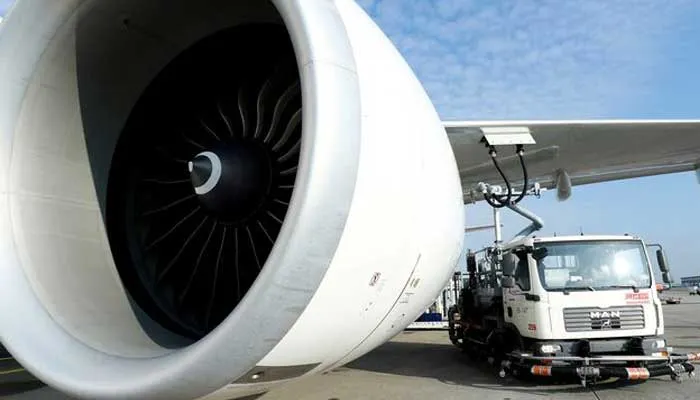
The government has raised the price of jet fuel by Rs154 per litre, pushing it from Rs188.93 to a record Rs342.37, an increase of roughly 82%. This marks one of the largest fuel price hikes in recent years.
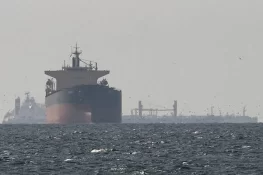
The move follows the recent Rs55-per-litre increase in petrol and diesel, triggered by global fuel supply disruptions amid the US-Israel war with Iran and Tehran’s closure of the Strait of Hormuz, a key oil shipping route.
The sharp rise in aviation fuel costs is expected to increase operational expenses for airlines, potentially raising airfares by up to Rs5,000.
Pakistan Railways Fare Adjustments
Pakistan Railways has also revised fares in response to the nearly 20% rise in diesel prices.
- Economy class passenger fares: +5%
- Air-conditioned class fares: +10%
- Freight charges: +20%
The new rates will be effective from March 9 for both passenger and freight services. Tickets already booked will not be affected.
A spokesperson stated that the railways will absorb some operational costs for passenger services while implementing the adjustments to manage rising fuel expenses.
Economic Impact of Middle East Tensions
Pakistan is starting to feel the direct economic impact of the escalating conflict in the Gulf, with global oil prices surging and energy supply routes threatened.
The country, heavily dependent on imported fuel, faces rising costs as shipments through the Strait of Hormuz remain uncertain. In response, Pakistan has requested an alternative oil supply route through Saudi Arabia’s Red Sea port of Yanbu, with Petroleum Minister Ali Pervaiz Malik meeting Saudi Ambassador Nawaf bin Said Al-Malki for assurances. Supplies through Yanbu have been promised to meet Pakistan’s energy needs.
University of Karachi Moves Classes Online
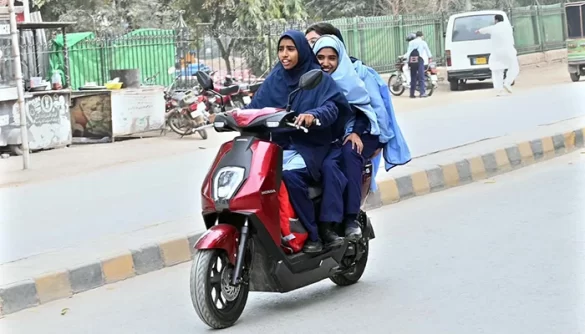
In light of expected transport disruptions due to rising fuel prices, the University of Karachi has shifted morning classes online starting March 9 until the end of Ramadan.
The administration cited student convenience and potential commuting challenges as the reason for the temporary online schedule.
Key takeaway:
Rising global oil prices and regional tensions are driving significant increases in aviation and railway fares, while institutions like the University of Karachi are adapting to potential transport disruptions. Pakistan is exploring alternative fuel supply routes to mitigate the impact.