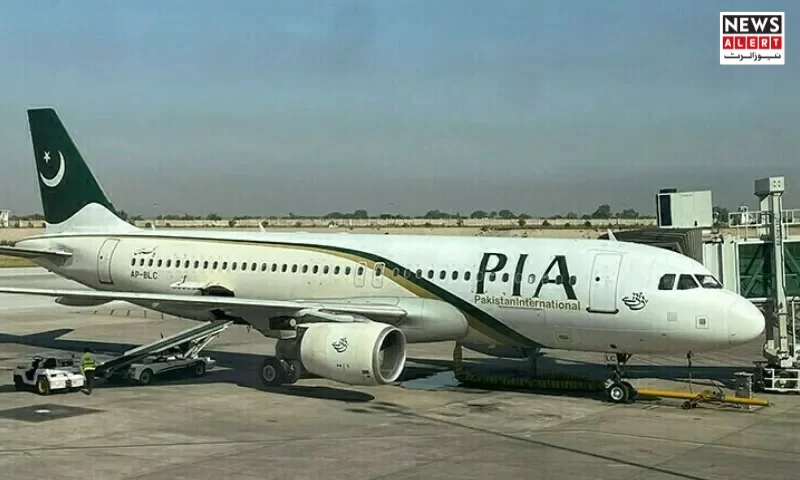
Pakistan International Airlines (PIA) has entered a decisive new phase as the Arif Habib Consortium acquired a 75 percent stake for Rs135 billion. The government finalised the deal after a competitive third round of bidding under its privatisation programme.
Importantly, this transaction ranks among Pakistan’s largest aviation privatisations. At the same time, it highlights the government’s effort to reform loss-making state enterprises.
Competitive Bidding Drives the Price Up
The privatisation process unfolded over several rounds. Throughout the process, major local business groups competed aggressively.
In the first round, the Lucky Consortium submitted a bid of Rs101.5 billion. Meanwhile, Air Blue offered Rs26.5 billion. By contrast, the Arif Habib Consortium led the round with an offer of Rs115 billion.
Subsequently, competition intensified during the second round. The Lucky Consortium raised its bid to Rs120.25 billion. Shortly afterward, the Arif Habib Consortium increased its offer to Rs121 billion.
Finally, in the third and final round, the Arif Habib Consortium submitted the highest bid of Rs135 billion. As a result, it secured 75 percent ownership of PIA. However, the government retained the remaining 25 percent stake.
Privatisation Tied to Broader Economic Reforms
Muhammad Ali, adviser to the Privatisation Commission, linked the sale to a wider reform agenda. He stressed that the government does not intend to abandon the national airline.
Instead, the government aims to strengthen PIA’s finances and management. Moreover, officials believe private ownership will improve efficiency and accountability.
For decades, state-owned enterprises in Pakistan have faced deep structural challenges. Consequently, many relied on repeated government bailouts. PIA, in particular, struggled with rising costs and weak governance.
Over time, the airline accumulated heavy debt and persistent losses. As a result, it lost ground to regional and international competitors.
How the Funds Will Support PIA
Crucially, the government plans to channel most of the sale proceeds back into PIA. Muhammad Ali confirmed that 92.5 percent of the funds will directly support the airline’s recovery.
Specifically, PIA will use the money to upgrade its fleet, improve operations, and enhance passenger services. However, officials have not yet released a detailed spending breakdown.
In addition, the adviser outlined the payment structure. The consortium will pay two-thirds of the amount upfront. Meanwhile, it will pay the remaining one-third at a later stage.
Furthermore, the government will allow the winning bidder to include partner companies. This provision aims to attract additional capital and technical expertise.
Renewed Hopes for a Turnaround
The government expects partial privatisation to restore PIA’s former standing. Once regarded as a leading Asian airline, PIA has struggled to stay competitive.
Nevertheless, officials believe private sector leadership can modernise decision-making. Over time, this approach may also improve cost control and profitability.
Importantly, a stronger national airline would support Pakistan’s economy. Aviation plays a vital role in tourism, trade, and international connectivity.
Meanwhile, Pakistan’s aviation market continues to expand. However, private airlines maintain strong competition across domestic and international routes.
Message to Investors
Beyond aviation, the deal sends a broader economic signal. In particular, it shows the government’s commitment to reform and private investment.
Local and foreign investors closely watch such transactions. Therefore, a successful privatisation can strengthen confidence in Pakistan’s economic direction.
At the same time, the government seeks to reduce losses from state-owned firms. This strategy allows public funds to support health, education, and infrastructure.
Still, the road ahead remains challenging. Labour concerns, regulatory compliance, and operational restructuring will test the new ownership.
Ultimately, the Arif Habib Consortium’s acquisition marks a turning point. Its success will depend on execution and sustained reform.
For now, the government remains optimistic. It wants PIA to become stable, competitive, and profitable once again.