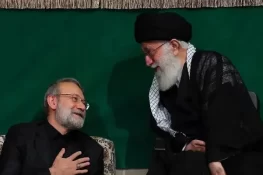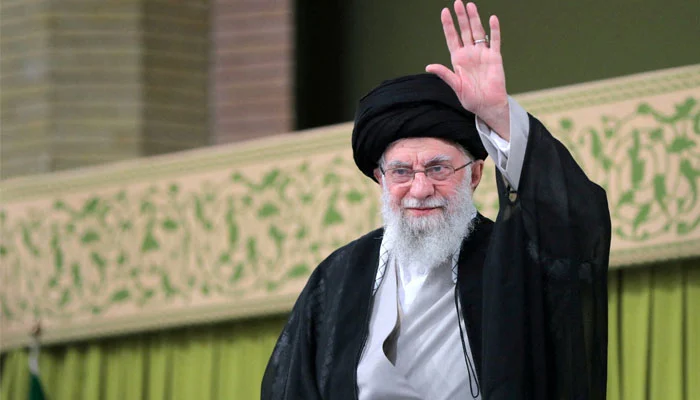
Iranian state media has confirmed that Supreme Leader Ayatollah Ali Khamenei has been martyred in Israeli and US strikes. The development marks a historic and highly sensitive moment for the Islamic Republic, triggering constitutional procedures designed to ensure continuity of leadership.
According to the official news agency IRNA, the government has declared 40 days of public mourning following Khamenei’s death, while the Fars news agency reported that seven days of public holidays have also been announced nationwide.
Constitutional Mechanism for Succession
Under Article 111 of the Constitution of the Islamic Republic of Iran, in the event of the death, resignation, or dismissal of the Supreme Leader, the Assembly of Experts is required to appoint a successor “within the shortest possible time.”
The Assembly of Experts is an elected clerical body tasked specifically with selecting and overseeing the Supreme Leader. Its role becomes immediately central in moments of leadership transition.
Until a new leader is formally appointed, a temporary council assumes the responsibilities of the Supreme Leader. According to constitutional provisions, this interim body consists of three senior officials:
- The President
- The Head of the Judiciary
- A jurist from the Guardian Council, selected by the Expediency Discernment Council
State television, citing senior officials, reported that President Masoud Pezeshkian and Judiciary Chief Gholamhossein Mohseni Ejei will be part of the trio overseeing the transition process.
Constitutional provision for the absence of the Leader
According to Principle 111 of the Constitution, In the event of the demise, resignation, or dismissal of the Leader, the Assembly of Experts is obliged to take action as soon as possible to appoint and introduce a new Leader.— IRNA News Agency ☫ (@IrnaEnglish) March 1, 2026
This interim council will carry out leadership duties until the Assembly of Experts finalizes and formally appoints a new Supreme Leader. If any member of the temporary council is unable to perform their duties, the Assembly may appoint a replacement, provided the required clerical majority is maintained.
Escalating Regional Tensions
The announcement of Khamenei’s martyrdom comes amid rapidly escalating military tensions. According to reports cited by Al Jazeera from Fars news agency, the Islamic Revolutionary Guard Corps (IRGC) has declared the start of what it described as “the most devastating offensive operation in the history of the Islamic Republic of Iran.”
Israel Launches Pre-Emptive Strike on Iran, Multiple Explosions Reported in Tehran
The IRGC reportedly stated that operations would begin imminently and would target “occupied territories and American bases” in the region.
Broader Implications
The death of Iran’s Supreme Leader represents a critical turning point, not only domestically but also regionally. While Iran’s constitution provides a structured framework for succession, the political and security environment surrounding the transition could significantly influence both internal stability and regional dynamics.
As events continue to unfold, attention remains focused on how swiftly the Assembly of Experts will move to appoint a successor and how the evolving military situation may shape the country’s immediate future.