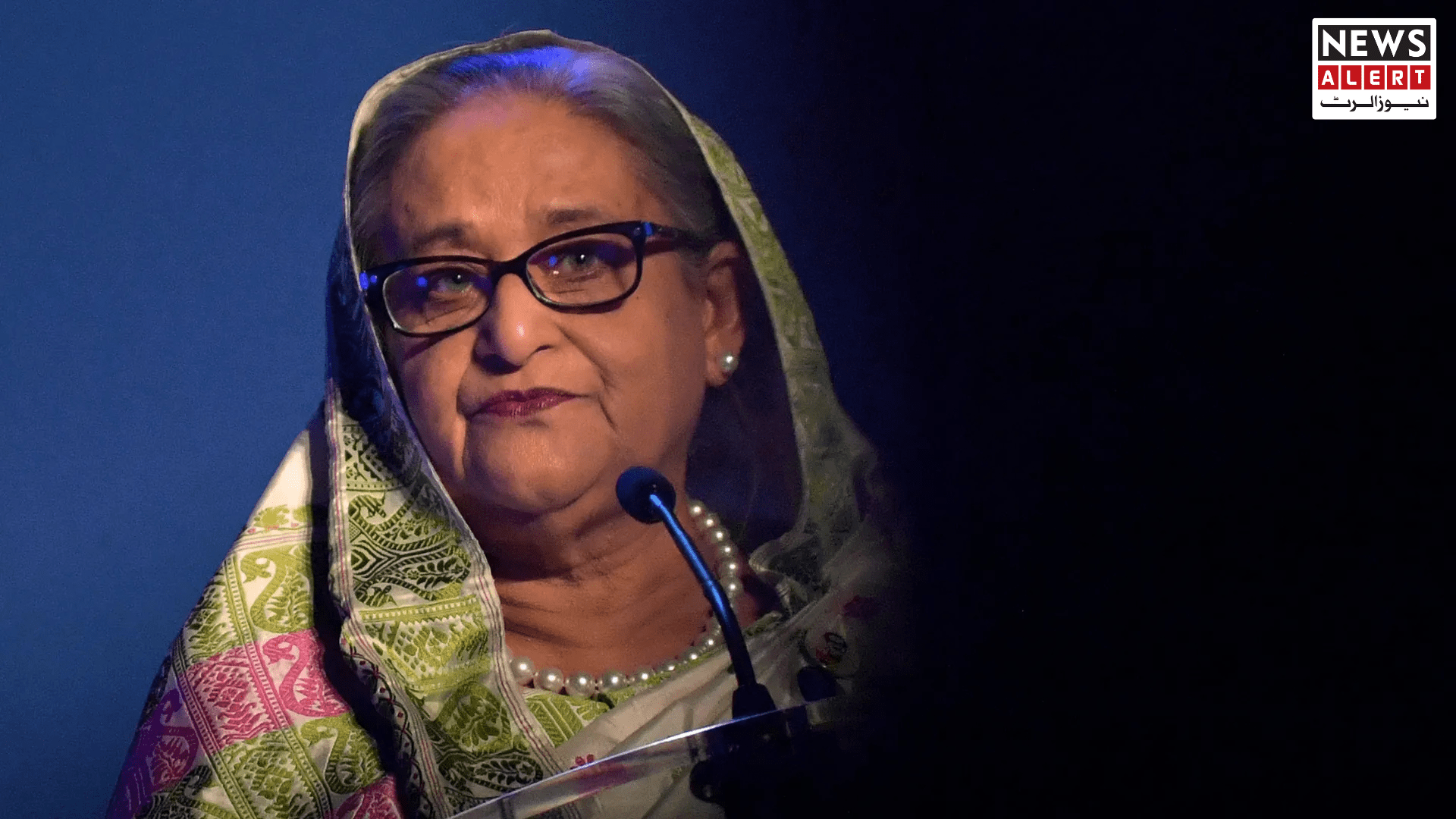
Court Finds Hasina Responsible for Deadly Crackdown
A special tribunal in Bangladesh has sentenced former Prime Minister Sheikh Hasina Wajed to life imprisonment after holding her responsible for authorising deadly force during last year’s student-led protests. The three-judge International Crimes Tribunal delivered the verdict during a highly watched session.
Judges concluded that Hasina, while leading the government, allowed security forces to use lethal weapons and excessive force against protesters. They said her decisions directly contributed to large-scale deaths and injuries during weeks of unrest.
Also Read: One Year Since Sheikh Hasina’s Fall: Bangladeshis Celebrate in the Streets
Prosecution Outlines Scale of Violence
The prosecution argued that the crackdown killed nearly 1,400 people. They described the violence as organised and deliberate. More than 80 witnesses testified, including 54 survivors who recounted shootings, beatings, and chaotic clashes. Prosecutors submitted over 10,000 pages of documents, and the tribunal issued a 450-page judgment.
They urged the court to impose the death penalty on Hasina because of what they called “systematic killings.” The judges instead opted for a life sentence and cited the political context and the former prime minister’s age.
Only One Defendant Appears in Court
Three people faced charges in the case, yet only one appeared in court. Former police chief Chowdhury Abdullah Al-Mamun stood before the tribunal, admitted his role in the crackdown, and testified as a state witness. His statement helped prosecutors trace how orders flowed from senior officials to security forces on the ground.
Hasina and former Home Minister Asaduzzaman Khan Kamal did not attend the hearings. Both fled before the trial began and now hold fugitive status. Hasina, who is 78, denies all accusations. She has lived in India since August 2024, when political pressure and mass demonstrations forced her from office.
Verdict Broadcast Live Nationwide
Authorities aired the verdict live on television. They said they wanted to ensure transparency and allow citizens to follow every step of the judicial process. People gathered in markets, homes, tea stalls, and community centres to watch the announcement.
The broadcast triggered mixed reactions across the country. Supporters expressed disbelief and described the ruling as politically motivated. Critics welcomed the decision and said the victims of state violence finally received recognition.
Hasina’s Political Legacy Under Scrutiny
Sheikh Hasina remains one of South Asia’s most influential leaders. She served multiple terms and oversaw major economic growth, including large infrastructure projects and improvements in health and education. However, opponents often accused her government of abusing state power, suppressing dissent, and weakening democratic institutions.
Human rights groups repeatedly warned about the excessive use of force by security agencies. They also criticised widespread arrests during the protests.
Her conviction now casts uncertainty over the future of the Awami League, the party she guided for more than four decades. Analysts say the ruling may reshape Bangladesh’s political balance and strain its relationship with India, her closest regional ally.
Next Steps and Possible Appeal
Legal experts believe Hasina’s legal team may seek an appeal. Yet her status as a fugitive complicates that effort. Bangladesh’s government has not said whether it will request her extradition from India.
For now, the verdict marks a turning point in the country’s political landscape. It also opens a new chapter of debate over accountability, leadership, and the direction Bangladesh will take in the coming years.