A Shocking Incident in Uttar Pradesh
A village in the northern Indian state of Uttar Pradesh has been gripped by a surprising and unusual incident. In Bhulwani village, a newlywed bride demanded a divorce only 20 minutes after arriving at her husband’s home. The episode has drawn attention across the region, highlighting ongoing social debates around arranged marriages, women’s autonomy, and family pressures within parts of rural India.
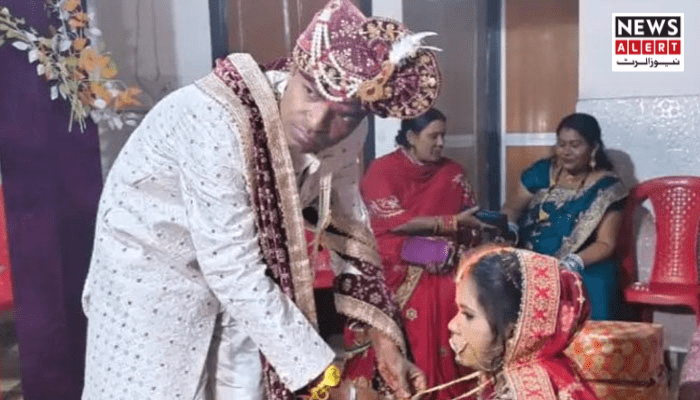
The groom, Vishal Madhesia, married a woman named Pooja on 25 November. Their wedding followed conventional customs. The groom’s procession arrived with music and celebration, and the rituals continued late into the night. After the ceremonies, the bride left with her husband for his home according to tradition.
Bride Refuses to Stay at Husband’s Home
However, once Pooja reached the groom’s residence, the situation changed quickly. According to local reports, the bride expressed her desire to separate from her husband within minutes. She demanded to return to her parents’ home and refused to stay, despite attempts by family elders to calm her.
Relatives present at the time said the efforts to convince her continued for some time. Yet Pooja did not reverse her decision and avoided explaining the reason behind her sudden change of heart. This lack of clarity intensified confusion among both families.
Families Attempt Mediation but Fail
When the groom’s family informed Pooja’s parents, they hurried to the house in the hope of resolving the issue. They also tried to persuade her to give the marriage a chance. Their efforts, however, met with the same firm refusal.
Such incidents, while unusual, are not entirely unheard-of in parts of India where arranged marriages remain common. Social researchers note that early marital disagreements, mismatched expectations, or psychological pressure can sometimes lead to abrupt decisions. Similar unusual family reactions around marriages and separations often go viral in India, such as a recent case where an Indian man celebrated his divorce with a milk bath, which also sparked nationwide debate — read the full story here.
Village Council Steps In
As tensions persisted, a panchayat — a village council — was convened. Panchayats are traditional bodies that often help mediate disputes in rural India. Members from both families attended the meeting, which continued for about five hours.
During the discussions, elders tried to explore potential misunderstandings, personal concerns, or family tensions. They urged both sides to consider reconciliation. Despite these efforts, the bride remained firm in her demand for separation.
In the absence of any resolution, the panchayat recommended ending the marriage. Both families agreed. Their decision underscored the desire to avoid further conflict and prevent the situation from escalating within the community.
Mutual Divorce and Return of Gifts
Following the decision, both sides returned all gifts, jewellery, and cash exchanged during the marriage ceremonies. This step helped ensure a clean and mutually respectful separation, which villagers say was important for maintaining peace between the families.
India sees more than eight million weddings every year, according to government estimates. While the vast majority proceed without major conflict, occasional cases like this highlight the pressures surrounding marriage rituals, social expectations, and personal choice.
A Quiet End to a Brief Marriage
The incident ended without legal dispute or prolonged hostility. Yet it sparked extensive discussion in Bhulwani village. Residents expressed a mix of shock and curiosity, particularly because the bride never disclosed her reasons.
For now, the brief marriage — which effectively lasted less than half an hour in the groom’s home — stands as one of the region’s most unusual wedding stories in recent memory.