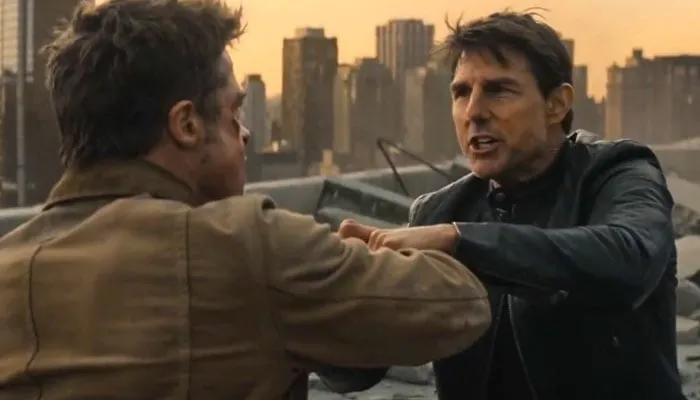
AI-generated videos created using the Seedance 2.0 model by Chinese tech giant ByteDance recently went viral, drawing widespread attention online. However, the future of these videos is now under scrutiny after major studios like Disney and Paramount threatened legal action over copyright and intellectual property violations.
ByteDance Responds
In an official statement shared with the BBC, ByteDance said it “respects intellectual property rights and has heard concerns regarding Seedance 2.0.” The company added that it is “taking steps to strengthen current safeguards to prevent unauthorized use of intellectual property and likeness by users.”
Copyright and Unauthorized Use Concerns
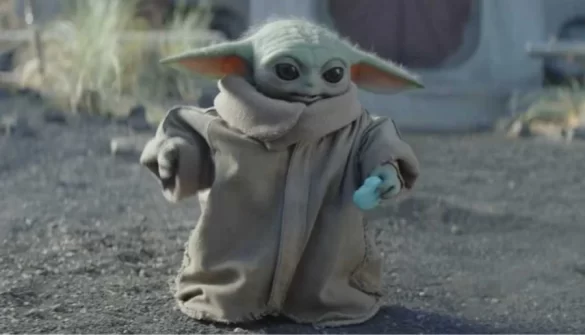
The viral Seedance videos included scenes from Disney’s Star Wars franchise and references to Paramount’s Mission: Impossible series. Disney stated that these AI videos were produced using “a pirated library” of its copyrighted characters. Paramount objected to “vivid depictions” of its “famous and iconic franchises and characters,” emphasizing the potential misuse of their intellectual property.
Katie Price fuels AI marriage speculation with Lee Andrews
Public Attention and Viral Moments
Seedance 2.0 first gained attention when a simulated action scene featuring Tom Cruise and Brad Pitt circulated widely on the internet. Subsequent AI-generated videos included alternate endings for Stranger Things and creations involving Marvel characters, which also captured public interest and went viral on social media platforms.
Future Precautions
ByteDance has pledged to monitor content generated through its AI model more carefully, aiming to prevent unauthorized or illegal usage. The company plans to implement stricter safeguards to protect copyrighted characters and the likeness of celebrities in future AI productions.
This situation highlights the delicate balance between technological innovation and legal compliance, emphasizing the importance of responsible use of AI in creative content. It also underscores the growing need for tech companies to proactively address intellectual property and ethical concerns as AI-generated media becomes more realistic and widespread.