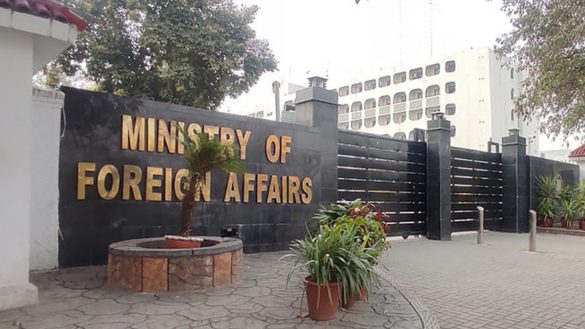
Leaders and officials from across the world have acknowledged Pakistan’s key diplomatic role in facilitating a two-week ceasefire between the United States and Iran, marking a significant moment in ongoing efforts to de-escalate tensions in the Middle East.
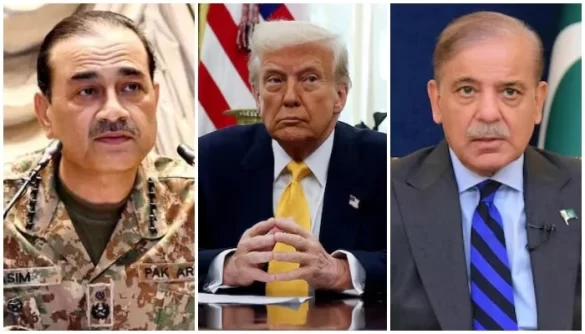
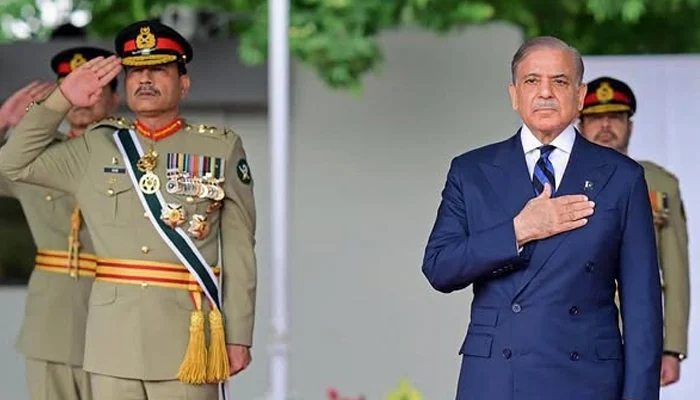
The ceasefire was announced by US President Donald Trump shortly before a critical deadline, following discussions with Prime Minister Shehbaz Sharif and Army Chief Asim Munir.
Pakistan’s Mediation Efforts Recognised
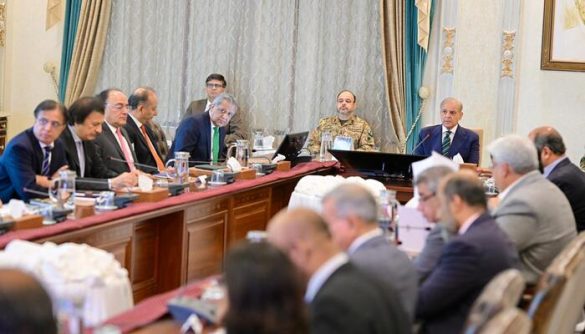
Prime Minister Shehbaz Sharif confirmed that Iran, the United States, and their allies had agreed to an immediate ceasefire, extending beyond the primary conflict zone to include areas such as Lebanon. He also invited delegations from both countries to Islamabad for further negotiations aimed at achieving a lasting peace agreement.
Iran Expresses Gratitude
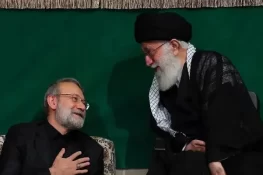
Iranian Foreign Minister Abbas Araghchi publicly thanked Pakistan’s leadership, praising their “tireless efforts” to help bring an end to the conflict.
He stated that Iran would halt its defensive operations if attacks against it ceased, signaling conditional support for the ceasefire and willingness to engage in negotiations based on the proposed framework.
Support from Western and Regional Leaders
The United Kingdom’s High Commissioner to Pakistan, Jane Marriott, commended Pakistan for its “quiet, effective, diplomatic role” in securing the truce.
New Zealand’s Foreign Minister Winston Peters also welcomed the ceasefire and expressed appreciation for Pakistan’s efforts, alongside those of Türkiye and Egypt, in pursuing a peaceful resolution.
Similarly, Australian Prime Minister Anthony Albanese and Foreign Minister Penny Wong issued a joint statement supporting the ceasefire and stressing the need for a long-term solution to the conflict.
Broader International Recognition
Kazakhstan’s President Kassym-Jomart Tokayev described the agreement as a result of “goodwill and wisdom” from all sides, while acknowledging Pakistan’s mediation efforts.
Malaysian Prime Minister Anwar Ibrahim also praised Pakistan’s diplomacy, calling it “tireless and courageous” and highlighting the country’s willingness to engage all parties without bias.
United Nations Response
UN Secretary-General Antonio Guterres welcomed the ceasefire and urged all parties to work toward a durable and lasting peace. He also expressed appreciation for Pakistan and other mediating countries involved in facilitating the agreement.
Conclusion
The widespread international recognition of Pakistan’s role underscores its growing importance as a diplomatic mediator in complex global conflicts. While the two-week ceasefire offers a critical opportunity for dialogue, world leaders continue to stress the importance of sustained efforts to achieve a comprehensive and lasting peace in the region.