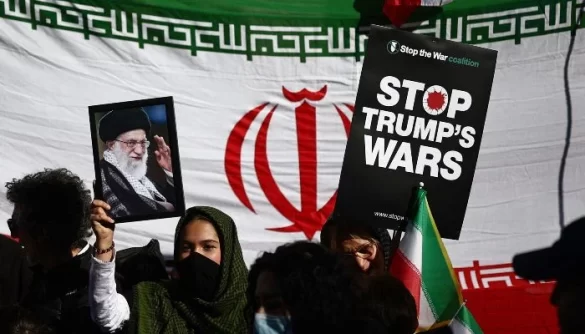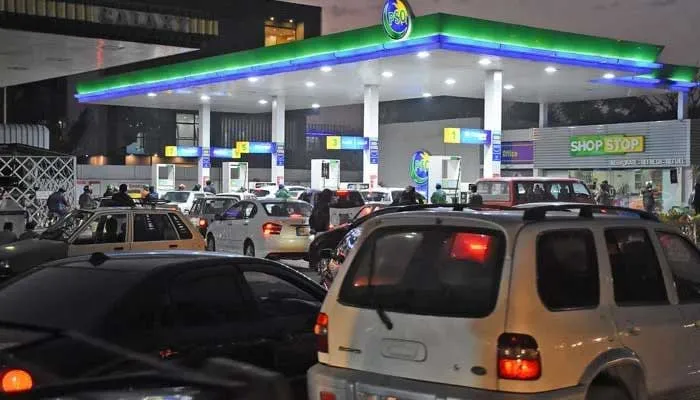
The federal government has increased petrol and diesel prices by Rs55 per litre, citing soaring global oil prices triggered by escalating tensions in the Middle East following the US-Israel war with Iran.
The announcement was made during a press conference by Ali Pervaiz Malik alongside Ishaq Dar and Muhammad Aurangzeb.
Under the revised rates:
- Petrol: Rs321.17 per litre (previously Rs266.17)
- High-speed diesel: Rs335.86 per litre (previously Rs280.86)
The new prices came into effect from midnight.
Weekly Review of Fuel Prices
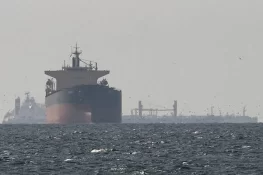
This marks the first weekly review of petroleum prices, replacing the previous fortnightly adjustment system. The change follows growing uncertainty in global energy markets after Iran announced the closure of the Strait of Hormuz, a critical route for global oil shipments.
Malik said the government took the decision after carefully reviewing the evolving international situation.
“We will review these prices on a weekly basis and reduce them promptly when the situation improves,” he said.
He described the current conditions as “extraordinary circumstances.”
Changes in Petroleum Levy
The government also adjusted the Petroleum Development Levy (PDL):
- Petrol levy increased from Rs84.40 to Rs105 per litre
- Diesel levy reduced from Rs76.21 to Rs55 per litre
Officials said the adjustments were made to balance revenue requirements while responding to global price fluctuations.
Government Measures and Supply Assurance
Malik said authorities had been preserving petroleum reserves in recent weeks to ensure uninterrupted supply across the country.
He also warned against hoarding:
“Strict action will be taken against those who stopped selling petrol to make illegal profits.”
The minister added that global fuel prices had risen sharply, forcing the government to make a difficult decision.
Iranian Revolutionary Guards Intercept US-Flagged Vessel in Strait of Hormuz
Diplomatic and Economic Response
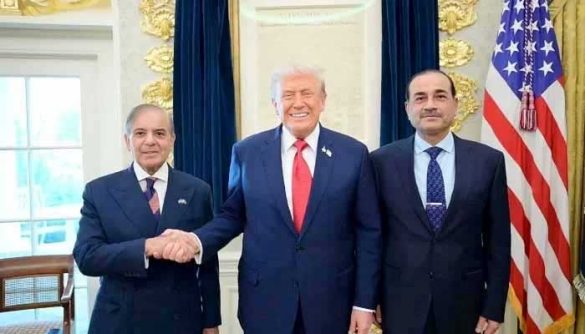
Deputy Prime Minister Ishaq Dar said Shehbaz Sharif had chaired a meeting earlier to review the situation and consider policy responses.
Dar noted that Pakistan was also engaging with foreign governments to help ease regional tensions.
Meanwhile, Finance Minister Muhammad Aurangzeb said the government was assessing the potential impact of higher fuel prices on imports, exports, and overall economic stability.
He reassured the public that Pakistan currently has adequate fuel reserves and urged citizens not to panic.
Alternative Oil Supply Route
Pakistan has also requested Saudi Arabia to facilitate crude shipments through the Red Sea port of Yanbu after Iran’s move to close the Strait of Hormuz threatened global energy flows.
Saudi authorities have assured Islamabad that oil supplies can be arranged through Yanbu to meet Pakistan’s energy needs.
Key takeaway:
Pakistan has raised fuel prices sharply due to global energy market disruptions caused by Middle East tensions, while the government monitors the situation weekly and explores alternative oil supply routes.