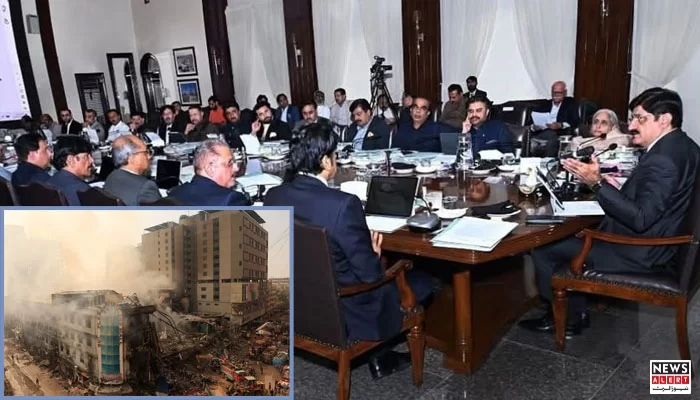
The Sindh provincial cabinet has approved a significant compensation and relief package for the victims of the Gul Plaza tragedy in Karachi, marking one of the most substantial government responses to a commercial disaster in recent years.
Chaired by Chief Minister Murad Ali Shah, the cabinet meeting resulted in a decision to provide Rs10 million (one crore rupees) to the family of each person who lost their life in the incident. The move is aimed at easing the financial burden on grieving families and offering some measure of justice following the deadly event.
Also Read: Tragedy in Karachi: Death Toll from Gul Plaza Fire Rises to 61
While the exact cause of the tragedy has not been detailed in the cabinet statement, the scale of the response highlights the seriousness with which provincial authorities are treating the incident.
A Major Relief Package for Bereaved Families
During the cabinet session, Chief Minister Murad Ali Shah emphasized that supporting the families of those who died was a collective responsibility of the government.
The state must stand with those who have suffered unimaginable loss, he said, according to officials present at the meeting.
The Rs10 million compensation per victim is intended to help families manage immediate financial needs, including housing, education, and healthcare. In Pakistan, where social safety nets remain limited, such compensation often becomes a crucial lifeline for families who suddenly lose their primary earners.
In recent years, provincial governments have faced public criticism over slow or insufficient compensation following major accidents. Against this backdrop, the swift approval by the Sindh cabinet has been widely noted.
Immediate Support for Affected Shopkeepers
In addition to compensating the victims’ families, the cabinet also addressed the plight of shopkeepers whose businesses were damaged or destroyed in the Gul Plaza incident.
Officials informed the meeting that each affected trader is currently being paid Rs500,000 to cover kitchen and utility expenses. These payments are being disbursed through the office of the commissioner, ensuring that the funds reach recipients directly and without unnecessary delays.
This interim support is meant to help traders manage basic living expenses while their businesses remain closed or disrupted. For many small business owners, even short interruptions can have devastating financial consequences.
According to estimates by business associations, a large portion of Karachi’s retail sector operates on thin margins, making such emergency relief particularly important.
Interest-Free Loans to Restart Businesses
Perhaps the most ambitious part of the relief package is the approval of interest-free loans of up to Rs10 million for each affected shopkeeper.
Chief Minister Murad Ali Shah explained that the purpose of these loans is to allow traders to restart their businesses without falling into long-term debt traps.
These loans are being provided so that shopkeepers can stand on their feet again, he said. The interest payable on these loans will be borne by the Government of Sindh.
This means that while traders will eventually repay the principal amount, they will not be burdened by additional interest costs — a critical factor in ensuring that small businesses can recover sustainably.
In Pakistan, access to affordable credit is a major hurdle for small and medium enterprises. Commercial bank loans often carry high interest rates, making government-backed, interest-free financing a rare and valuable opportunity.
Shops to Be Provided Within Two Months
The Sindh chief minister also announced that all affected shopkeepers will be provided with shop facilities within two months, enabling them to resume their livelihoods as quickly as possible.
We will take every possible step to ensure the safety and convenience of shopkeepers, Murad Ali Shah said, adding that the government is committed to improving both infrastructure and security in commercial areas.
This timeline, if met, could significantly reduce long-term economic damage in the area. In previous incidents, delays in rehabilitation have often led to permanent business closures and rising unemployment.
Wider Context: Safety and Urban Challenges
The Gul Plaza tragedy once again draws attention to broader safety issues in Pakistan’s urban commercial spaces. Karachi, a city of over 20 million people, has long struggled with aging infrastructure, weak enforcement of building codes, and overcrowded markets.
According to urban development experts, hundreds of commercial buildings in Karachi require structural audits. Fires, collapses, and other accidents remain recurring threats, often exacerbated by illegal modifications and lack of emergency exits.
While the current relief package addresses the immediate aftermath, civil society groups have called for stricter regulations and regular inspections to prevent similar tragedies in the future.
A Step Toward Accountability and Recovery
Although financial compensation cannot undo the loss of life or livelihood, the Sindh cabinet’s decisions represent a significant step toward recovery and accountability.
By combining direct compensation, immediate relief, and long-term financial support, the provincial government has signaled its intention to move beyond symbolic gestures.
However, much will depend on how effectively and transparently these measures are implemented. For the families and traders affected by the Gul Plaza tragedy, the real test lies not only in announcements, but in timely and fair delivery of the promised support.
As Karachi continues to grow and evolve, such responses may set an important precedent for how urban disasters are managed in the future.