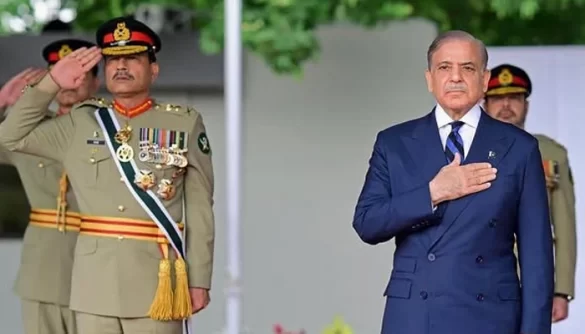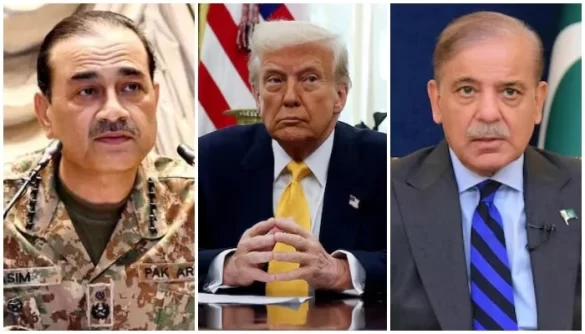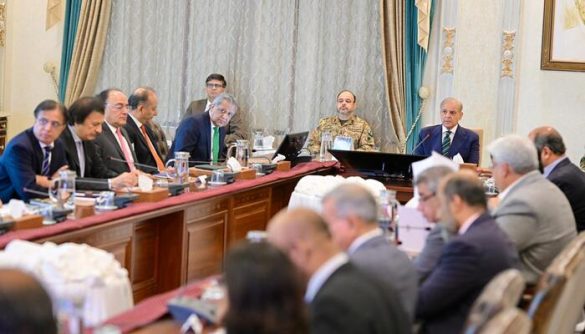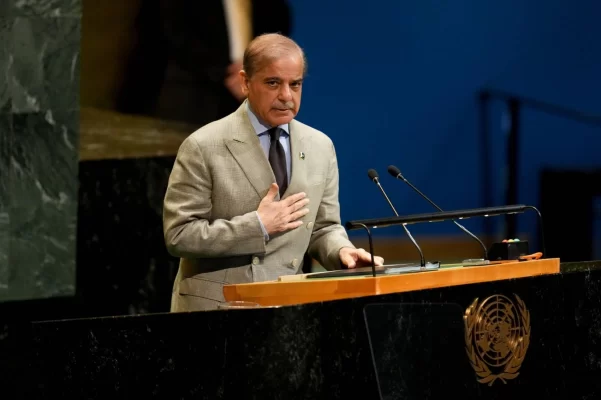
Pakistan has emerged as a key intermediary between Iran and the United States, helping secure a temporary ceasefire and preparing the ground for direct negotiations in Islamabad. Prime Minister Shehbaz Sharif announced that both countries and their allies agreed to a ceasefire “everywhere” following Pakistan’s mediation. The two-week truce will lead to talks in the Pakistani capital.
South Asia expert Michael Kugelman called this “one of Pakistan’s biggest diplomatic wins in years,” noting it proved skeptics wrong about Pakistan’s capacity to handle a complex, high-stakes negotiation.
Pakistan-Iran Relations
Pakistan shares a 900-kilometre border with Iran and has deep historical, cultural, and religious ties. It hosts the world’s second-largest Shia population after Iran. Historically, Iran was the first country to recognize Pakistan after independence in 1947, and Pakistan reciprocated after Iran’s 1979 revolution. Pakistan also represents some Iranian diplomatic interests in Washington, where Iran has no embassy.
Pakistan-US Relations
Chief of Defence Forces and Army Chief Field Marshal Asim Munir has built strong personal ties with former US President Donald Trump. Pakistan’s leadership has long maintained a relationship with the US shaped by strategic interests, even during periods of tension post-9/11. Trump highlighted Pakistan’s understanding of Iran as a key factor in facilitating talks.
Tonight, Pakistan achieved one of its biggest diplomatic wins in years. It also defied many skeptics and naysayers that didn’t think it had the capacity to pull off such a complex, high stakes feat.
But what matters the most is it helped avert a potential catastrophe in Iran.— Michael Kugelman (@MichaelKugelman) April 8, 2026
Regional Dynamics
Pakistan balances its relations with Saudi Arabia, China, and other regional players. A 2025 strategic defense agreement with Saudi Arabia strengthened ties but also limited Pakistan’s support for Tehran. Pakistan’s Foreign Minister Ishaq Dar hosted talks with Saudi Arabia, Turkey, and Egypt and later coordinated with China, Iran’s largest trading partner, to encourage negotiations.
Benefits for Pakistan
Neutrality allows Pakistan to secure its economic interests, particularly oil and gas imports through the Strait of Hormuz. Ending the conflict would stabilize the region and enhance Pakistan’s international standing amid its own security challenges with Afghanistan and recent tensions with India.
What Are Iran’s 10 Points for Ending the War with the US?
Next Steps
Prime Minister Shehbaz Sharif invited both delegations to Islamabad starting April 10. Pakistan may act as a mediator in resolving remaining differences and facilitate communication if direct talks stall. Notably, Lebanon was excluded from the ceasefire, highlighting limits to the agreement despite earlier statements suggesting it would cover “everywhere.”