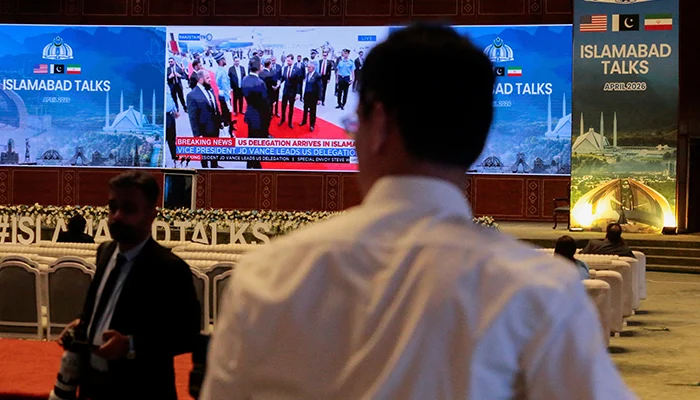
As Pakistan hosts high-stakes peace talks between the United States and Iran, several Indian media outlets are facing criticism for promoting what observers describe as “propaganda-driven narratives” instead of acknowledging Islamabad’s diplomatic efforts.
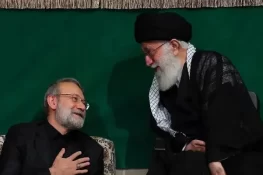
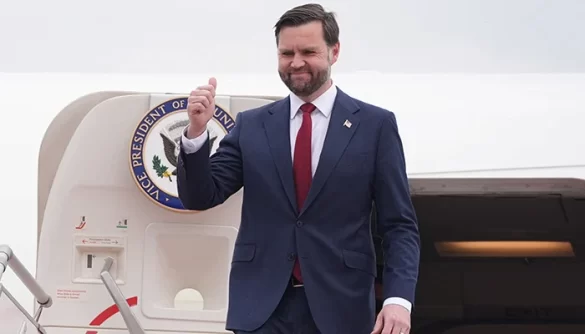
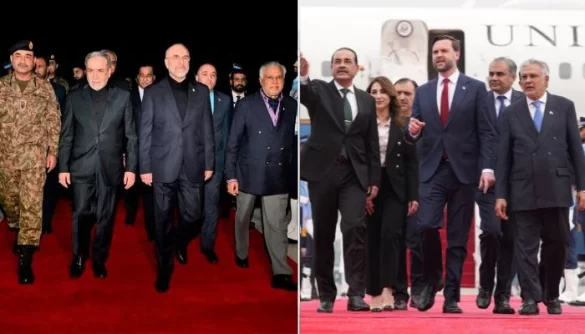
The negotiations, which follow a two-week ceasefire announced by former US President Donald Trump, have drawn global attention. Delegations led by Iran’s Parliament Speaker Mohammad Baqer Ghalibaf and US Vice President JD Vance have arrived in Pakistan to engage in dialogue aimed at reducing regional tensions.
Narratives Under Scrutiny
Despite the international focus on diplomacy, several Indian television channels have continued to broadcast content critical of Pakistan. Analysts suggest these narratives are influenced by domestic political dynamics, particularly the ruling Bharatiya Janata Party.
However, these portrayals have reportedly gained limited traction internationally. Global leaders and observers have largely acknowledged Pakistan’s role in facilitating dialogue and attempting to de-escalate tensions in the Middle East.
Viral Moments and Public Reaction
Clips circulating on social media show Indian news anchors being challenged by foreign analysts and diplomats during live discussions, with several exchanges going viral.
In one instance, prominent anchor Arnab Goswami questioned China-based international affairs expert Victor Gao about the ceasefire developments. Gao credited Pakistan for enabling negotiations, but was interrupted before he could complete his remarks.
In another case, a broadcast by India Today cited Israeli sources while claiming that Vice President JD Vance might cancel his visit to Pakistan mid-flight — a claim that did not materialize.
Diplomatic Pushback
A particularly notable exchange involved US diplomat Jeffrey Gunter, who strongly rejected concerns raised by an Indian anchor about the safety of Vice President Vance during his visit.
During the discussion, Times Now anchor Madhavdas G suggested that President Trump was “scared” about Vance’s security in Pakistan. Gunter dismissed the claim, criticizing the tone of the debate and warning against turning a serious diplomatic issue into what he described as a “Pakistan-versus-India circus.”
JD Vance Becomes 5th US Vice President to Visit Pakistan Amid High-Stakes Iran-US Talks
He further remarked that such discussions undermined the seriousness of international diplomacy, comparing the panel’s behavior to “school children squabbling.”
Global Perspective on Pakistan’s Role
While criticism continues in sections of Indian media, the broader international response has been more supportive of Pakistan’s diplomatic efforts. Islamabad’s role as a mediator between Washington and Tehran has been widely acknowledged as a significant development in efforts to stabilize the region.
The backlash against certain Indian media narratives highlights the growing divide between domestic media framing and international diplomatic realities. As negotiations continue in Islamabad, the focus remains on whether constructive dialogue can lead to a lasting resolution — despite the surrounding media noise.