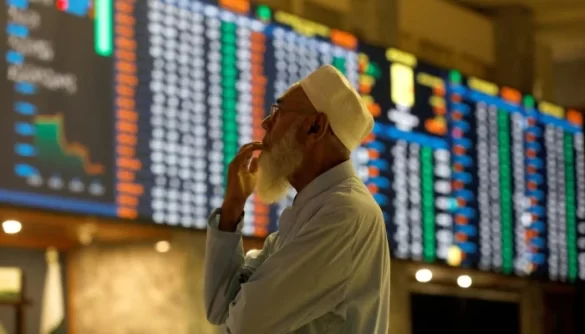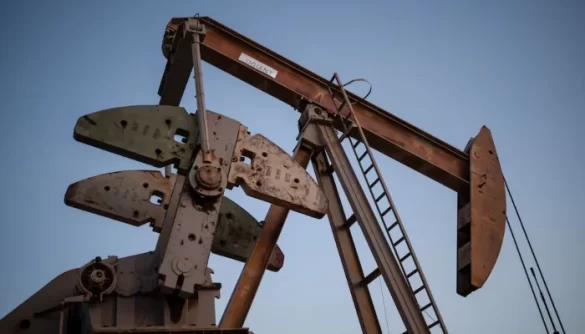
Global financial markets reacted sharply on Friday amid ongoing uncertainty over the war in Iran. Brent crude oil surged past $103 per barrel, crossing the $100 threshold for the first time since August 2022, while US stocks fell and the US dollar strengthened as investors sought safety amid mounting geopolitical risks.
Oil Prices Spike Amid Supply Concerns
The price of West Texas Intermediate (WTI) crude settled at $98.71 per barrel, up 3.11%, while Brent crude rose 2.67% to $103.14. The surge came even as an Indian tanker successfully navigated the Strait of Hormuz and the US implemented measures aimed at easing supply concerns.
President Donald Trump signaled potential military action against Iran, stating the US would hit the country “very hard over the next week.” Meanwhile, Iran’s new Supreme Leader Mojtaba Khamenei has vowed to keep the Hormuz shipping lane closed, raising fears of prolonged disruption to oil exports. Analysts warn that headlines on Middle East developments are rapidly affecting both oil and broader financial markets.
Stock Markets and Safe-Haven Flows
All three major US indexes posted losses: the Dow Jones Industrial Average fell 0.25%, S&P 500 dropped 0.6%, and the Nasdaq Composite declined 0.9%. European shares also extended their slide, with the STOXX 600 down 0.5%, while MSCI’s global stock index fell 0.9%.
Amid the turbulence, the US dollar strengthened, rising 0.8% against a basket of currencies and becoming the preferred safe haven. Other currencies, including the euro and yen, came under pressure, with the yen hitting its weakest level against the dollar since July 2024.
Inflation and Interest Rate Outlook
Rising oil prices have reignited concerns about inflation. The Personal Consumption Expenditures (PCE) index, the Federal Reserve’s preferred measure of inflation, rose 0.3% in January. At the same time, US economic growth in Q4 was revised downward due to weaker consumer spending and business investment.
Iranian Sea Mines: A Strategic Threat to the Strait of Hormuz
Markets have adjusted expectations for interest rate cuts. Previously priced in two quarter-point cuts by year-end, futures now suggest only one potential cut. US two-year Treasury yields reached a six-month high before easing slightly to 3.73%, while 10-year yields ticked up to 4.283%.
Looking Ahead
Investor attention now shifts to upcoming policy meetings, including the Federal Reserve, European Central Bank, Bank of Japan, and Bank of England, with most expected to maintain current rates.
Meanwhile, gold prices declined 1.27% to $5,014 per ounce, reflecting the market’s preference for cash and safe-haven currencies over commodities amid heightened geopolitical risks.
Overall, the Iran conflict continues to ripple through global energy markets, equities, and currency valuations, with analysts warning that sustained tensions could keep oil prices elevated and influence central bank decisions throughout the year.