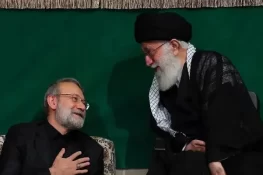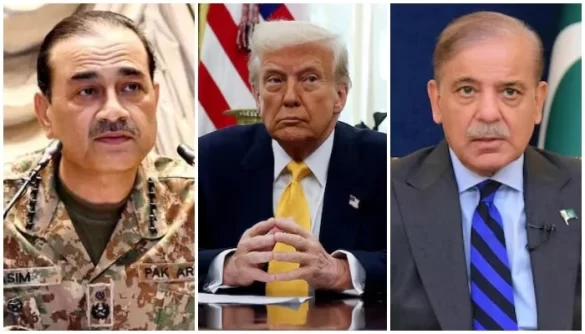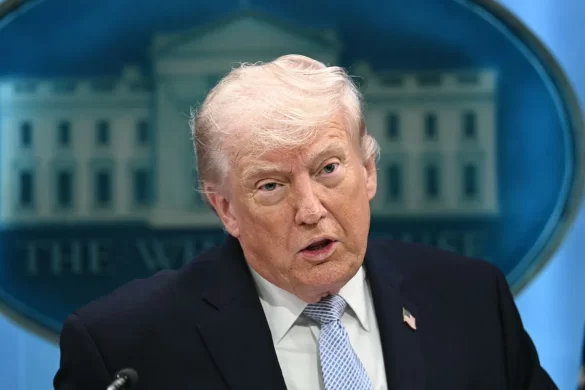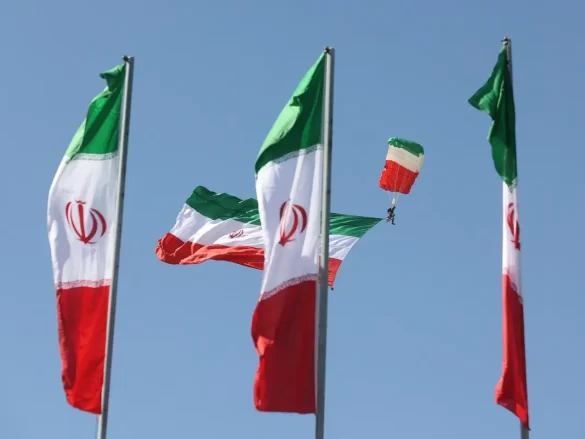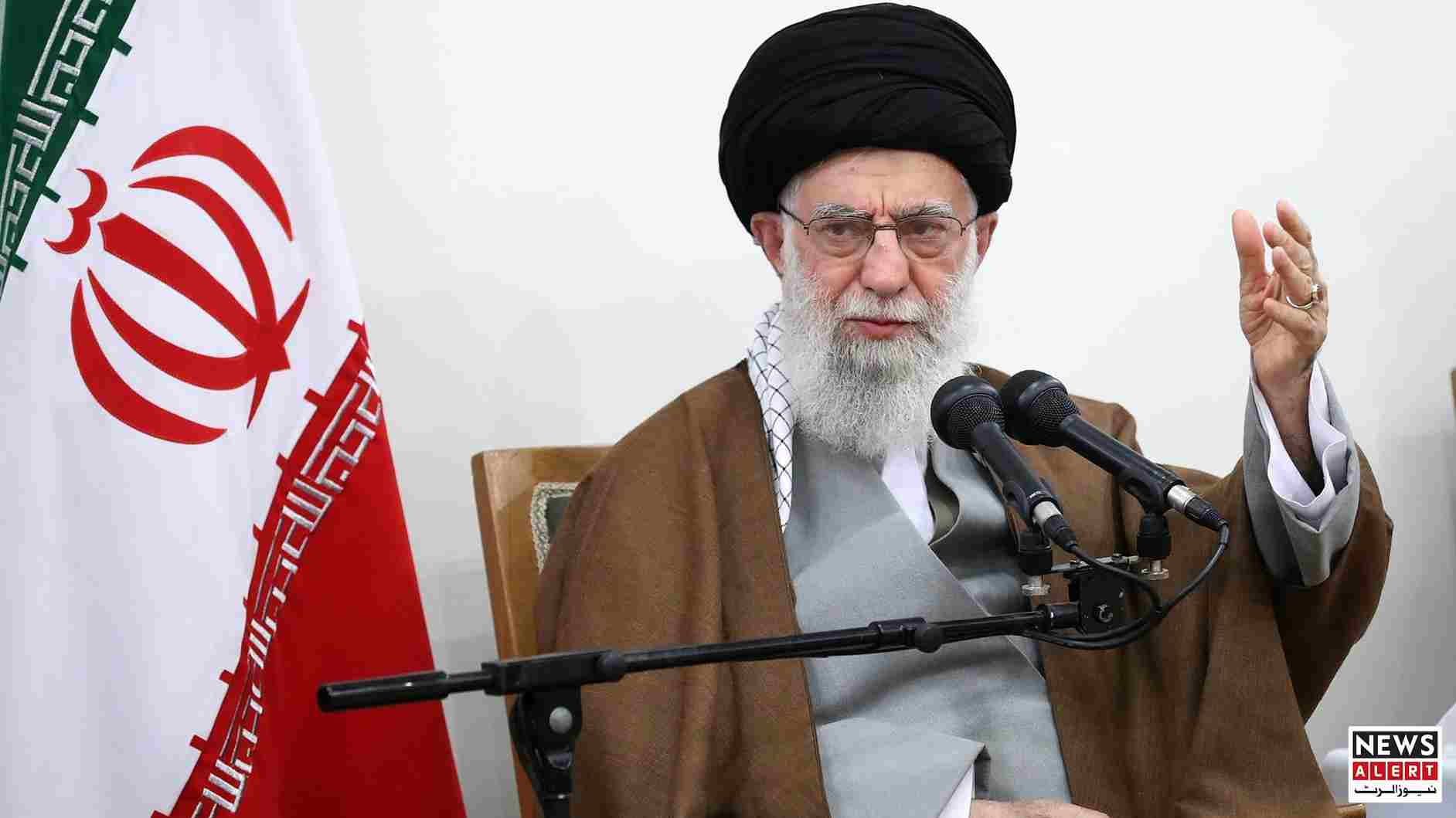
Iran’s Supreme Leader, Ayatollah Ali Khamenei, delivered a firm response to threats from U.S. President Donald Trump. Amid rising tensions, he stated that Tehran will not bow to foreign pressure. Khamenei emphasized that Iran would neither retreat nor compromise in the face of its adversaries.
Supreme Leader Denounces U.S. Threats
Addressing officials and citizens, Khamenei referred directly to Trump’s recent statements supporting Iranian protesters. He described these remarks as an unwarranted attempt to interfere in Iran’s internal affairs and therefore urged the nation to remain steadfast.
Iran will never yield to any enemy, Khamenei said. There is no question of stepping back. Those who think otherwise are mistaken. Moreover, his comments underline the long-standing friction between Tehran and Washington, which has grown under the Trump administration’s maximum pressure campaign.
Economic Challenges Under Scrutiny
Khamenei also discussed Iran’s economic difficulties, noting the strain on the business community. He highlighted rising inflation, a weakening national currency, and fluctuating foreign exchange rates as key problems.
Consequently, merchants have struggled to conduct business under these conditions. If traders claim that trade is impossible under current circumstances, they are speaking the truth, he said. Furthermore, the Supreme Leader emphasized that the government, including the president and senior officials, is actively working to stabilize the economy.
Khamenei suggested that some currency fluctuations are not natural but are caused by enemy elements aiming to destabilize the country. Therefore, he urged authorities to counteract these influences, framing economic stability as a matter of national security.
Right to Protest vs. Lawlessness
On domestic unrest, Khamenei addressed the ongoing anti-inflation protests. He affirmed that peaceful protest is a legitimate right but drew a clear line between lawful demonstrations and violence.
Dialogue with demonstrators is possible, but leniency toward those spreading violence is not appropriate, he said. In other words, peaceful dissent is acceptable, but violent actions must face consequences. His remarks respond to clashes between security forces and protesters, which sometimes turned deadly.
Iran’s Foreign Policy Response
Echoing Khamenei’s stance, Iranian Foreign Minister Abbas Araghchi called U.S. statements irresponsible and dangerous. In addition, he stressed that Iran will not tolerate attacks on public property.
Araghchi added that the country’s armed forces remain on high alert. They are prepared to defend national sovereignty against any attack. Thus, Tehran views both domestic unrest and foreign rhetoric as interconnected threats.
Protests and Human Impact
The protests, sparked by rising prices, have killed at least nine people. Authorities arrested 44 individuals accused of inciting unrest.
Moreover, tensions escalated after President Trump publicly endorsed the protesters. Iranian leaders said the statement amounted to interference in domestic affairs. Analysts note that these developments worsen an already fragile economic and political situation.
Context: Iran-U.S. Tensions
Relations between the United States and Iran have been tense since the U.S. left the 2015 nuclear deal in 2018. Trump’s sanctions targeted Iran’s oil, banking, and key industries. As a result, they contributed to the economic pressures Khamenei described.
Experts suggest that the U.S. aims to increase internal pressure on Tehran. Meanwhile, Iranian leaders aim to show resilience both domestically and internationally. The current protests, though sparked by economic grievances, have become a flashpoint in this ongoing geopolitical conflict.
Iran’s leadership seeks to maintain stability, pursue economic reform, and defend foreign policy independence. Consequently, the coming months may prove tense for the country and its international relations.