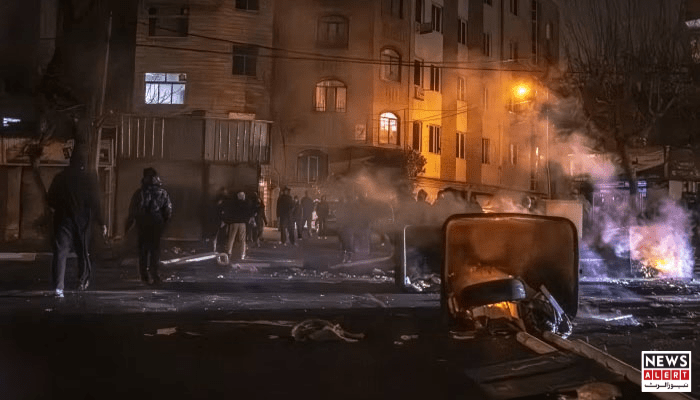
After nearly two weeks of violent unrest, large-scale protests across Iran have come to a halt, according to local and international reports. Authorities say security conditions have started to stabilise, although restrictions on internet access remain in force. The developments follow serious allegations from a US-based human rights organization, which claims that more than 2,400 protesters lost their lives during the demonstrations.
Streets Calm as Protests Subside
Reports from major Iranian cities indicate that streets have grown quieter after days of clashes between demonstrators and security forces. Shops and markets have reopened in several areas, while public transport services have gradually resumed. The government has restored international telephone calls, offering some relief to families trying to contact relatives abroad.
However, the authorities continue to restrict internet access across much of the country. In recent years, Iran has frequently limited online services during periods of unrest. Officials argue that such measures prevent the spread of violence. Rights groups, by contrast, say the shutdowns block information flows and prevent independent reporting.
Rights Group Claims High Death Toll
A US-based human rights organisation has claimed that at least 2,403 protesters died during the unrest. The group says it gathered data from activists, medical sources, and eyewitness accounts. Iranian officials have strongly disputed these figures and have not released official casualty numbers.
During past protests, including nationwide demonstrations in 2019, international organisations reported hundreds of deaths, while Tehran acknowledged far fewer. Analysts say the lack of open internet access often makes independent verification extremely difficult.
Intelligence Officials Report Weapons Seizures
Iranian intelligence officials say they recovered American-made explosives and weapons from several homes across the country. State media reports claim that the materials aimed to fuel further violence during the protests. Officials argue that these discoveries point to foreign involvement in the unrest.
Authorities have not released detailed evidence to support these claims. Western governments, including the United States, have repeatedly denied direct involvement in Iran’s internal protests. They maintain that economic hardship and political grievances drive the demonstrations.
Iran Warns Washington Against Military Action
Iran’s Foreign Minister, Abbas Araghchi, warned that Tehran stands ready to respond to any US military operation. He said Iran would defend itself against any external aggression. His remarks come amid heightened regional tensions and long-standing hostility between Tehran and Washington.
Araghchi said the government formally recognised what he described as legitimate protests against inflation and rising living costs. He added that officials had begun talks to offer relief to demonstrators before violence erupted.
Accusations of Foreign Meddling
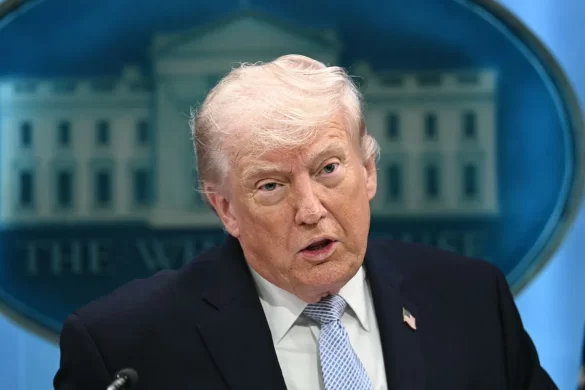
According to Araghchi, external actors deliberately pushed the protests toward violence. He accused former US President Donald Trump of exploiting the situation to create a justification for possible military pressure against Iran. He said hostile forces aimed to portray Iran as unstable to legitimise foreign intervention.
The foreign minister also claimed that Iran possesses evidence showing terrorist agents abroad received instructions from overseas. He added that Tehran does not believe Washington seeks fair or sincere negotiations.
Iranian leaders have often blamed foreign interference for domestic unrest. Critics, however, argue that inflation, unemployment, and restrictions on civil liberties remain the core causes of public anger.
Strong Rebuke of Germany’s Leadership
Araghchi also delivered a sharp response to comments from Germany’s chancellor. He said Berlin held no moral authority to lecture others on human rights. He accused Germany of remaining silent over the alleged abduction of Venezuela’s president and over civilian deaths in Gaza.
Referring to the war in Gaza, Araghchi claimed that Germany failed to speak out against the deaths of around 70,000 people. He said Berlin should feel ashamed for its silence. German officials have consistently defended their foreign policy, stating that they address human rights concerns through diplomacy and humanitarian aid.
Fragile Calm Amid Deeper Challenges
Although protests have eased, analysts warn that the underlying economic and political pressures remain unresolved. Inflation continues to strain household incomes, while international sanctions weigh heavily on Iran’s economy.
For now, calm has returned to Iran’s streets. Yet sharply opposing narratives from Tehran and international observers suggest that the situation remains fragile and could shift again without meaningful reforms.