The escalating conflict in the Middle East is beginning to affect thousands of Pakistani migrant workers in Gulf countries, raising concerns for families back home who depend heavily on overseas income. Recent Iranian retaliatory strikes in the region have already resulted in casualties among Pakistani workers and highlighted the risks faced by labourers living far from home.
Tragedy in a Village in Sindh
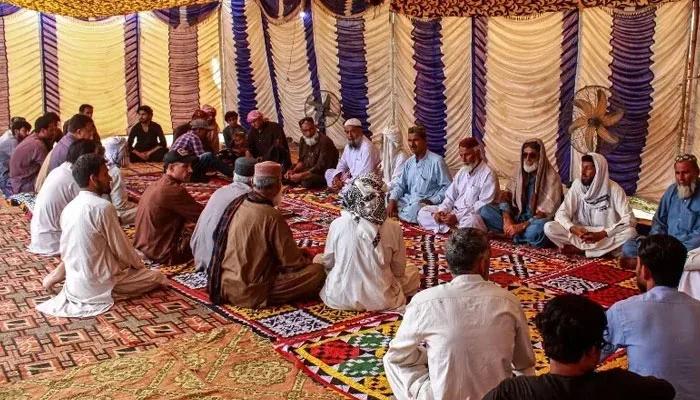
In a small village in Pakistan’s Sindh province, Abdul Malick sat among grieving relatives as neighbors gathered to offer condolences after the death of his nephew, Muzaffar Ali.
Ali, a 27-year-old labourer, was killed in Dubai last week when debris from an intercepted projectile fell onto his vehicle. He was one of two Pakistani nationals who lost their lives during retaliatory Iranian strikes targeting Gulf countries following US and Israeli attacks on Iran earlier this month.
“It is a great tragedy for a family whose sole breadwinner has been lost,” Malick said while sitting beside Ali’s three young children. “We have nothing to do with this war. It is unfortunate that the poor are being used as fuel for a conflict they have no part in.”
Ali had moved from Jamshoro district to Dubai four years ago in search of better economic opportunities.
Other Pakistani Victims
Another Pakistani victim, Murib Zaman, a 48-year-old father of five from Bannu in Khyber Pakhtunkhwa, had been working as a driver in the United Arab Emirates for 25 years.
Officials also confirmed that a third Pakistani was killed in a drone attack while fishing in Iranian waters.
Impact of the Conflict on Pakistan
Pakistan shares a border with Iran in the southwest, and the ongoing conflict is increasingly affecting the country. Rising global oil prices have already pushed up fuel costs in Pakistan, placing additional pressure on households and businesses.
Meanwhile, around 4,000 people, including students, have returned to Pakistan from Iran since tensions escalated.
US Offers $10 Million Reward for Information on Iran’s Supreme Leader Mojtaba Khamenei
Importance of Remittances
Remittances from Gulf countries play a vital role in Pakistan’s economy. According to analysts at Capital Economics, these transfers account for roughly 3% to 5% of Pakistan’s GDP.
More than 5.5 million Pakistanis work in Gulf countries, particularly in the United Arab Emirates and Saudi Arabia. The money they send home helps families cover daily expenses, pay for education and healthcare, and support small businesses, contributing significantly to domestic economic activity.
Earlier this week, Pakistan’s central bank reported that overseas Pakistanis sent $3.3 billion in remittances in February 2026, representing a 5.2% increase compared with the previous year.
Concerns Over Prolonged Conflict
Economic analysts warn that if the conflict continues, Gulf economies could face disruptions, potentially affecting employment opportunities and remittance flows to South Asia.
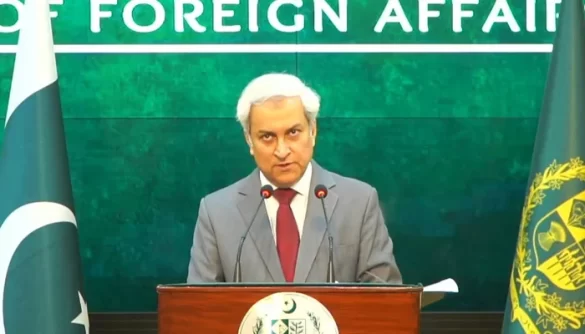
For now, most Pakistani workers appear to be staying in the region. Pakistan’s foreign ministry said the number of people returning home is currently “too small to be considered a major outflow.”
However, for families like Ali’s, the cost of the conflict has already been devastating. Malick said the family has so far received no financial support from either the UAE authorities or the Pakistani government.
“It is ironic that when he left Pakistan, we were happy he was going to one of the safest countries in the world,” he said. “But in the end, we received his body.”