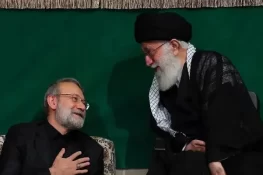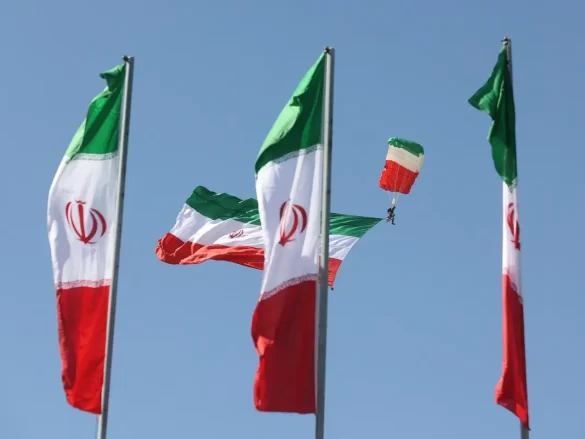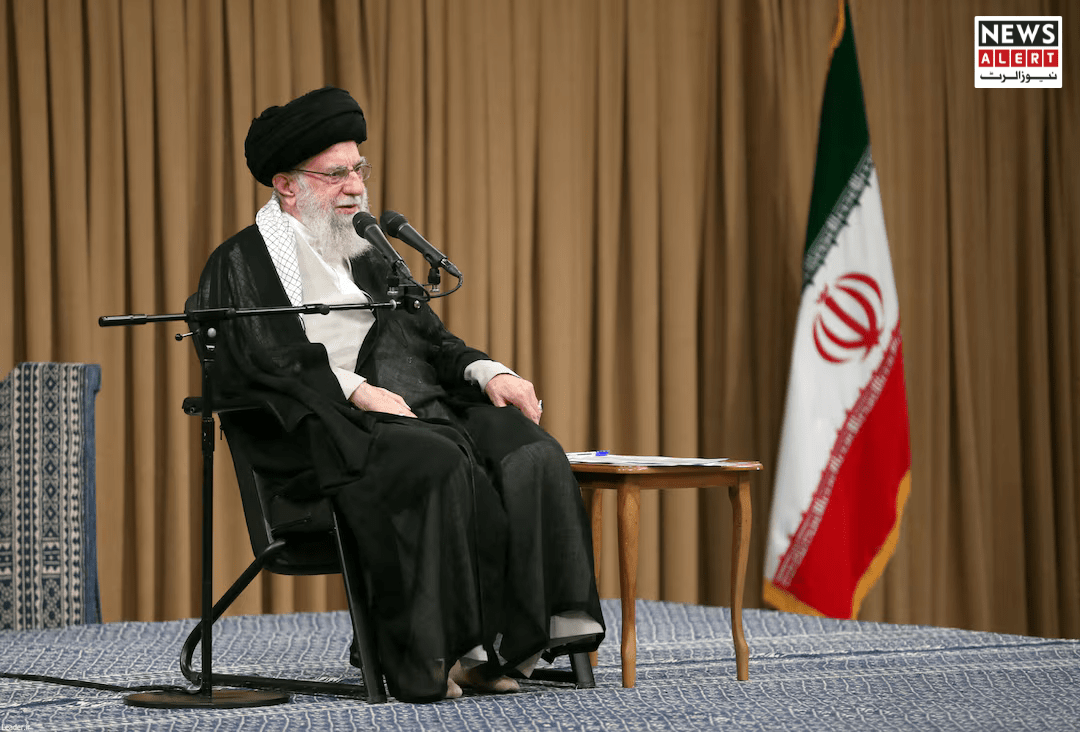
Tehran, Iran – Iran’s Supreme Leader, Ayatollah Ali Khamenei, has issued a strong warning that the country will not tolerate mercenary forces. His remarks come amid nationwide protests fueled by economic hardship.
Call for National Unity
During a public address, Khamenei emphasized the need for national cohesion. He urged Iranians to remain united despite ongoing unrest.
Therefore, we must maintain our unity to protect the nation from attempts to destabilize it, he said.
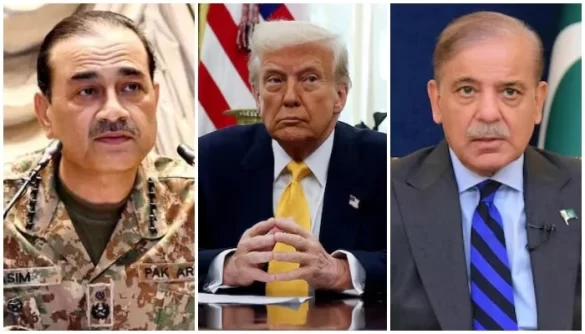
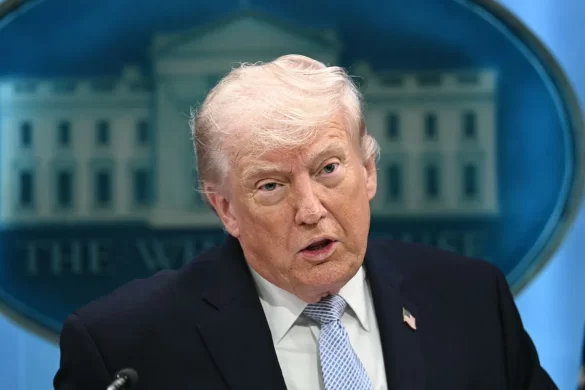
Moreover, he criticized individuals he described as rioters, claiming they are damaging public property to please foreign powers, including former U.S. President Donald Trump. He added that Trump should focus on problems in his own country instead of interfering in Iran.
Also Read: Iran Will Not Yield to Pressure, Warns Supreme Leader Khamenei
Warning Against Mercenary Forces
In his speech, the Supreme Leader reiterated that the Islamic Republic of Iran will not allow mercenary forces within its borders. However, he did not specify particular groups.
Analysts note that Khamenei’s warning reflects Iran’s ongoing concern over foreign involvement in domestic affairs. For example, the term mercenary forces often refers to groups acting on behalf of foreign powers to destabilize the country.
Protests and Economic Crisis
Iran is currently facing a severe economic crisis. International sanctions, coupled with domestic mismanagement, have worsened living conditions for many citizens.
Since December 28, protests have spread across the country. They were initially triggered by rising inflation, cuts to subsidies, and increasing unemployment.
Meanwhile, security forces have responded with force. Reports indicate that at least 45 people, including security personnel, have died so far. Consequently, demonstrations continue in multiple cities, reflecting widespread public frustration.
Internet Shutdowns and Restrictions
During the protests, authorities have implemented widespread internet shutdowns. This has restricted social media use and blocked communications across the country.
Human rights organizations warn that these restrictions make it difficult to verify reports of casualties and detentions. In addition, experts say the blackout aims to prevent protesters from coordinating and to limit international media coverage.
Regional and Global Implications
The ongoing unrest and government response have drawn international attention. Moreover, analysts warn that continued protests could further strain Iran’s economy and deepen social tensions.
Khamenei’s remarks underline two priorities for the Iranian leadership. First, suppressing internal dissent. Second, signaling a firm stance against foreign interference.
As a result, both domestic and international observers are closely monitoring how Iran manages its economic hardship, social unrest, and geopolitical challenges.
In conclusion, the Supreme Leader’s speech highlights the Iranian government’s dual strategy: maintaining internal control while resisting external pressures. Meanwhile, citizens continue to express discontent, and tensions are likely to remain high in the coming weeks.