Air pollution across Pakistan has reached alarming levels, with several major cities recording hazardous air quality readings. According to the latest data from an international environmental monitoring website, Lahore has ranked as the world’s second most polluted city. The findings have raised serious public health concerns and renewed calls for urgent action.
Lahore’s Air Quality Reaches Hazardous Levels
Lahore recorded an Air Quality Index (AQI) reading of 337 particulate matter units. This level falls well into the hazardous category. Such readings are considered extremely harmful to human health.
Under widely used AQI standards, any reading above 300 is dangerous. It can affect even healthy individuals. People with respiratory conditions face much higher risks.
As a result, hospitals in Lahore are seeing more patients. Many complain of breathing problems, eye irritation, and sore throats. Moreover, doctors warn that prolonged exposure may worsen asthma and heart disease.
Also Read: Lahore Tops List of World’s Most Polluted Cities Again
Karachi Also Among the World’s Most Polluted Cities
Meanwhile, Karachi is also struggling with severe air pollution. The city recorded an AQI of 207. This places it in the very unhealthy category.
With this reading, Karachi ranked third among the world’s most polluted major cities. Although lower than Lahore, the level remains dangerous. Children, the elderly, and outdoor workers are particularly vulnerable.
Experts say traffic emissions and industrial activity are key contributors. In addition, low wind speeds allow pollutants to linger in the air.
Punjab Cities Face Escalating Pollution
Beyond Lahore, air quality across Punjab continues to deteriorate. Data from the Punjab Environmental Protection Department shows troubling trends.
Narowal emerged as the province’s most polluted city. It recorded an AQI of 305. This level is classified as hazardous and poses immediate health threats.
Similarly, Hafizabad recorded an AQI of 256. Chakwal followed closely with 251. Gujranwala registered 244. All these figures fall within the very unhealthy range.
Consequently, residents in these cities report reduced visibility and persistent smog. Many also complain of headaches and chest discomfort.
Fog and Smog Combine to Disrupt Daily Life
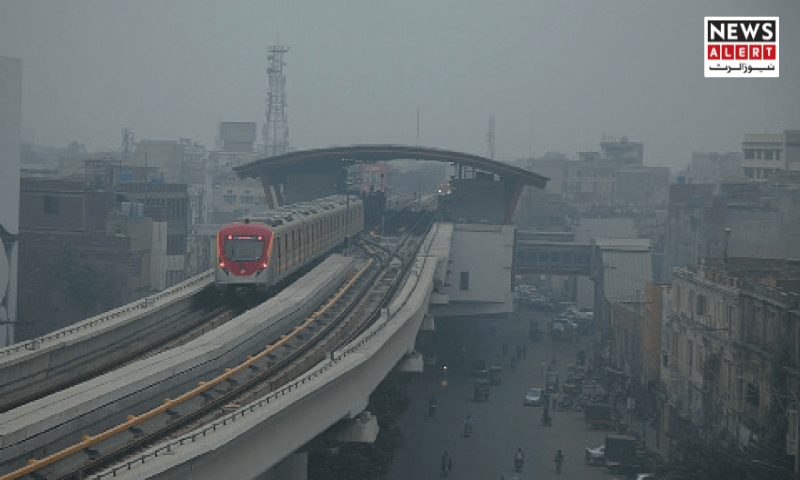
In addition to pollution, dense fog has worsened conditions across Punjab. The combination of smog and fog has severely reduced visibility.
As a precaution, authorities temporarily closed several sections of major motorways. These closures aimed to prevent accidents during low-visibility conditions.
However, transport disruptions have affected commuters and freight movement. Farmers and small businesses also report losses due to delays.
Seasonal Factors and Broader Context
Air pollution in Punjab typically worsens during winter months. Cooler temperatures trap pollutants close to the ground. Crop residue burning, vehicle emissions, and industrial smoke add to the problem.
According to the World Health Organization, long-term exposure to polluted air causes millions of premature deaths globally each year. Pakistan consistently ranks among countries with the poorest air quality.
Although authorities announce emergency measures each year, experts argue these steps are often short-term. They stress the need for cleaner transport, better fuel standards, and stricter industrial regulation.
Health Advice and Precautionary Measures
Health experts urge citizens to limit outdoor activities. Wearing masks and using air purifiers indoors can reduce exposure. Schools and offices are also advised to monitor air quality updates.
Most importantly, vulnerable groups should take extra care. This includes children, elderly people, and those with lung or heart conditions.
As pollution levels remain high, environmentalists warn that without sustained policy action, the crisis will deepen. For now, millions across Pakistan continue to breathe air that poses a serious threat to their health.