A sharp escalation in Middle East hostilities has forced the shutdown of key oil and gas facilities across the region, including Saudi Arabia’s largest domestic refinery, major fields in Iraqi Kurdistan, and significant offshore gas assets in Israel.
Saudi Arabia Shuts Ras Tanura Refinery
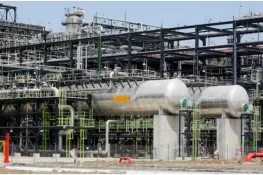
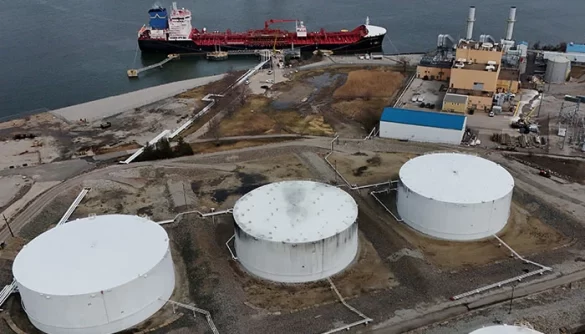
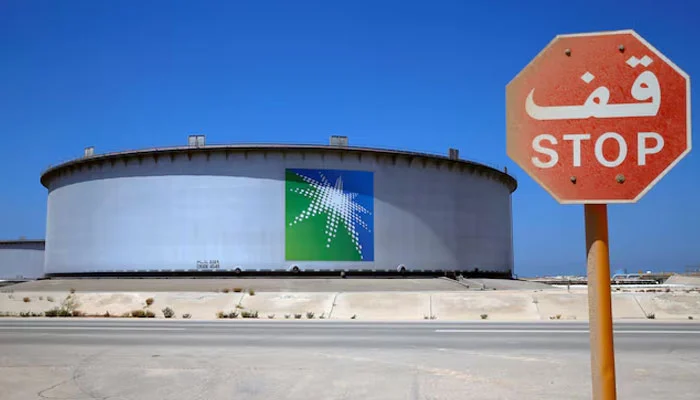
Saudi Arabia temporarily shut its largest domestic oil refinery after a drone strike on Monday, according to a source familiar with the matter. The 550,000 barrels-per-day facility at Saudi Aramco’s Ras Tanura complex was closed as a precautionary measure.
Ras Tanura, located on the kingdom’s Gulf coast, is not only a major refining hub but also a critical crude oil export terminal. The Saudi defence ministry said two drones were intercepted at the site, with falling debris causing a limited fire. Authorities confirmed that the situation was under control and that no injuries were reported.
Saudi state news agency SPA cited an energy ministry official as saying that while some refinery units were shut as a precaution, domestic supplies of petroleum products remained unaffected.
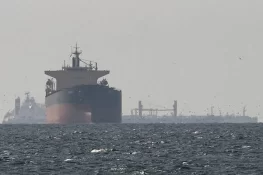
Nevertheless, the shutdown has heightened concerns in global energy markets, particularly as shipping through the Strait of Hormuz — a route that carries roughly one-fifth of global oil consumption — has slowed dramatically following attacks on vessels in nearby waters. Brent crude futures surged nearly 10% on Monday, climbing above $82 per barrel.
Israel Launches Pre-Emptive Strike on Iran, Multiple Explosions Reported in Tehran
Iraqi Kurdistan Suspends Oil Output
In Iraqi Kurdistan, precautionary shutdowns were reported at multiple oil fields. Companies including DNO, Gulf Keystone Petroleum, Dana Gas, and HKN Energy halted production, although no physical damage was reported.
The semi-autonomous region had been exporting around 200,000 barrels per day via pipeline to Turkiye’s Ceyhan port earlier this year, making the suspensions significant for regional supply flows.
Israeli Gas Fields Also Affected
Offshore Israel, the massive Leviathan gas field — operated by Chevron — was shut down on Saturday, according to sources. Additionally, Energean suspended operations at its floating production vessel serving smaller gas fields.
These closures have curtailed gas exports to Egypt, further tightening regional energy supply chains.
Analysts Warn of Escalation
Torbjorn Soltvedt, principal Middle East analyst at risk intelligence firm Verisk Maplecroft, described the attack on Ras Tanura as a “significant escalation,” noting that Gulf energy infrastructure now appears to be directly in Iran’s sights.
He added that such developments could push Saudi Arabia and other Gulf states closer to active involvement alongside the United States and Israel.
Saudi energy infrastructure has faced attacks before. In September 2019, drone and missile strikes on the Abqaiq and Khurais facilities temporarily disrupted more than half of the kingdom’s crude production. Ras Tanura itself was targeted in 2021 by Yemen’s Iran-aligned Houthis.
With tensions mounting and key facilities offline, the unfolding situation poses fresh risks to global energy markets and regional stability.