Tensions in the Middle East have sharply escalated after Iran accused Israel of striking its energy infrastructure, including the massive South Pars Gas Field, one of the world’s largest natural gas reserves.
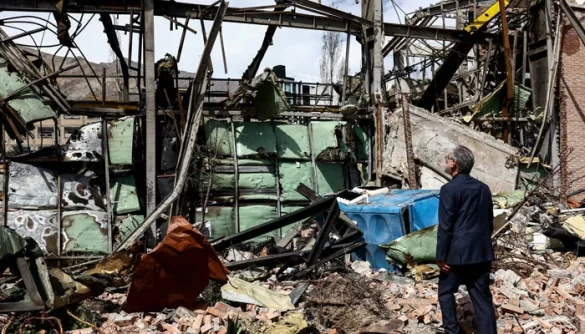
Iranian reports said parts of a refinery and gas storage facilities were hit, though officials later confirmed the fire had been contained. The development marks a significant turning point, as energy infrastructure had largely been avoided earlier in the conflict.
Iran Warns of Retaliation Across Gulf
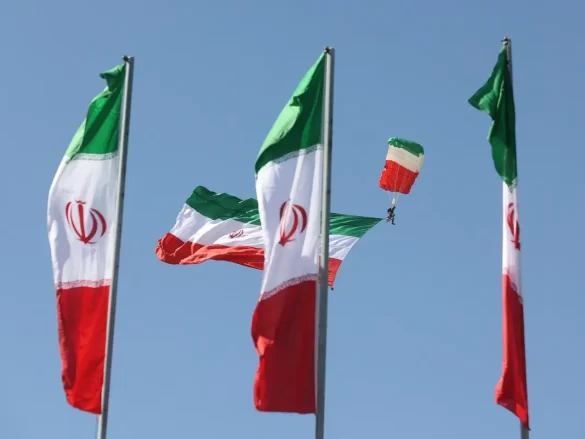
In response, Iran declared that oil and gas facilities across the Gulf region are now “legitimate targets.” It followed up with missile strikes toward Qatar and Saudi Arabia, signaling a widening conflict.
Qatar’s state-owned energy firm QatarEnergy reported “extensive damage” after missiles struck Ras Laffan Industrial City, a key hub for liquefied natural gas production.
Saudi Arabia said it intercepted several ballistic missiles aimed at Riyadh and prevented a drone attack on a gas facility in its eastern region.
Oil Prices Surge, Markets React
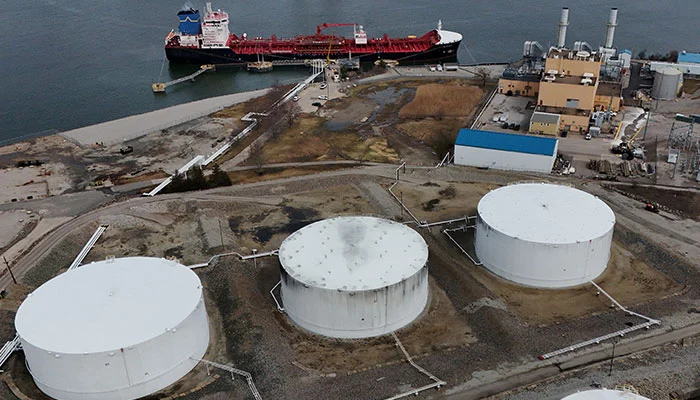
The escalation has rattled global energy markets. Brent crude prices jumped around 5%, crossing $108 per barrel, amid fears of prolonged supply disruptions.
The situation is further complicated by Iran’s effective closure of the Strait of Hormuz, through which roughly 20% of the world’s oil and liquefied natural gas flows. Any sustained disruption could fuel global inflation and economic instability.
International Calls for Restraint
Global leaders have urged restraint as the crisis deepens. French President Emmanuel Macron called for a halt to attacks on civilian infrastructure, particularly energy facilities.
The European Union also emphasized the importance of keeping the Strait of Hormuz open and pushed for a diplomatic resolution to prevent further escalation.
Oil Prices Surge Amid Rising Tensions in the Strait of Hormuz
Conflict Expands Beyond Iran and Israel
The confrontation is no longer confined to Iran and Israel. Israeli strikes have intensified in Lebanon, including heavy bombardment in Beirut. Meanwhile, Iran has retaliated with missile attacks on Israel, including the use of cluster munitions.
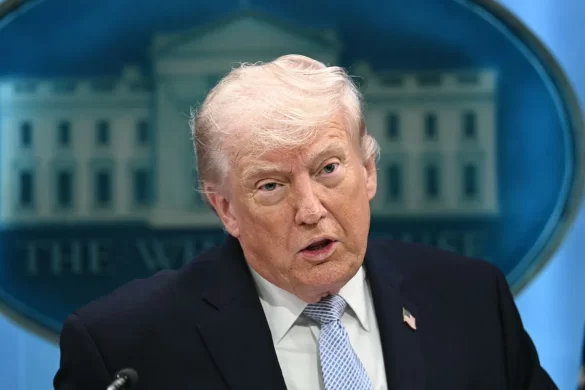
Israeli Defence Minister Israel Katz signaled an aggressive approach, stating that “no one in Iran has immunity.” Reports indicate that senior Iranian officials, including intelligence chief Esmail Khatib, have been killed in recent strikes.
Rising Human and Economic Costs
The war is taking a growing toll across the region:
- Thousands reportedly killed in Iran since late February
- Hundreds killed in Lebanon, with mass displacement
- Casualties reported in Israel, Iraq, and Gulf states
- At least 13 US military personnel confirmed dead
A Dangerous Turning Point
The targeting of energy infrastructure marks a dangerous escalation with global consequences. If tensions continue to rise, the world could face a severe energy crisis, higher inflation, and prolonged geopolitical instability.