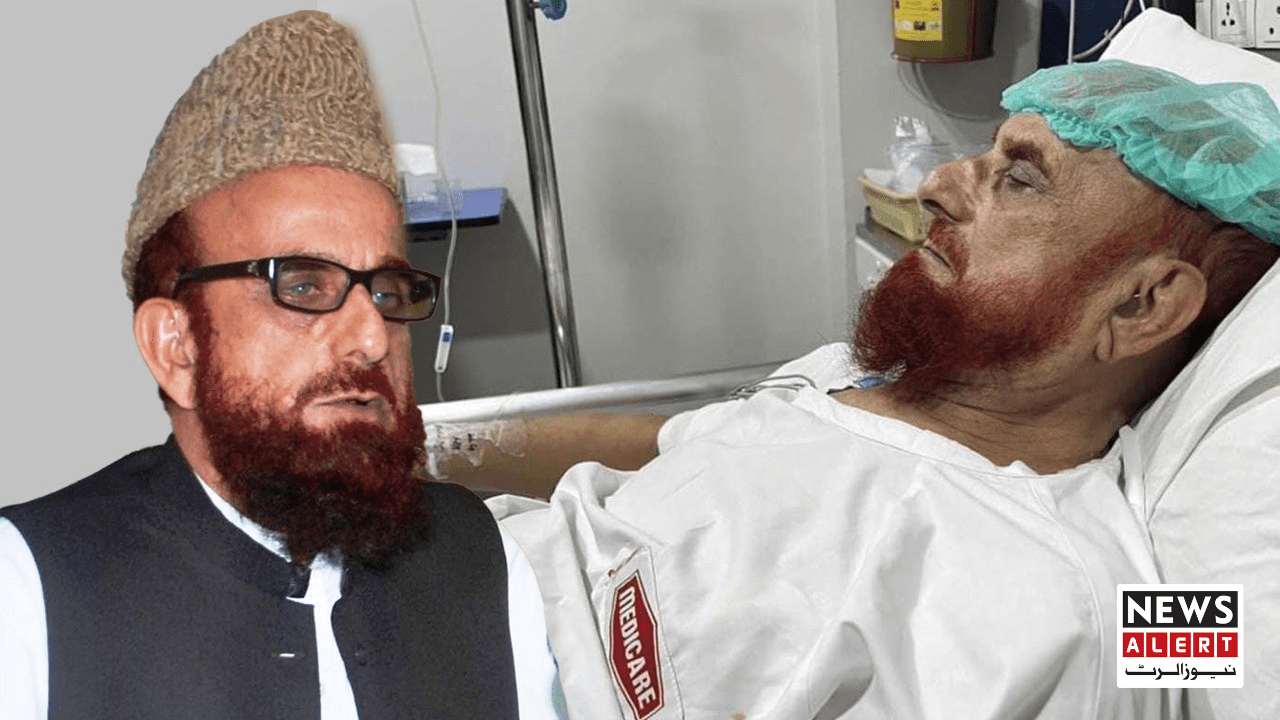
Karachi, Pakistan – Renowned religious scholar and former chairman of Pakistan’s Ruet-e-Hilal Committee, Mufti Munib-ur-Rahman, was hospitalized on Tuesday after contracting dengue fever. Doctors at a private hospital in Karachi are closely monitoring his condition to prevent potential complications.
Prompt Hospitalization and Care
After noticing symptoms of dengue, Mufti Munib-ur-Rahman sought medical attention immediately. Doctors admitted him to a private hospital where they placed him under continuous observation. Political, social, and religious leaders expressed concern for his health, sending prayers and good wishes. In addition, followers took to social media to express support, highlighting his influence in Pakistan’s religious and social circles.
Mufti Munib-ur-Rahman: A Respected Religious Authority
Mufti Munib-ur-Rahman stands among Pakistan’s most respected Islamic scholars. He served for many years as chairman of the Ruet-e-Hilal Committee, which determines the sighting of the crescent moon for Islamic months and religious events such as Ramadan and Eid. Consequently, his guidance shapes religious practices across the nation. His long-standing contributions have earned him recognition both nationally and internationally.
Dengue Fever: A Persistent Threat
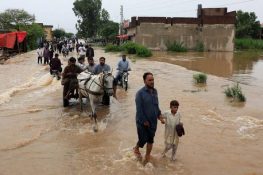
Dengue fever spreads through bites from infected Aedes mosquitoes. The virus causes high fever, severe headaches, joint and muscle pain, and, in some cases, life-threatening complications like dengue hemorrhagic fever. Outbreaks increase during the monsoon season when rainfall creates stagnant water, which mosquitoes use as breeding grounds.
The Aedes mosquito thrives in clean, still water found in containers, drains, or unused pools. Urban areas with dense populations and inadequate drainage, including Karachi, face higher infection risks. According to the National Institute of Health, Pakistan has reported a rising number of dengue cases in recent years, with major cities most affected.
Preventive Measures to Combat Dengue
Health authorities urge citizens to take proactive measures to avoid infection. For instance, using mosquito repellents, covering water containers, and emptying standing water can significantly reduce risks. Additionally, installing window and door screens helps limit indoor exposure. Public campaigns emphasize these precautions, especially during peak dengue season. Moreover, experts encourage communities to collectively eliminate mosquito breeding sites to curb outbreaks.
Nationwide Concern and Support
News of Mufti Munib-ur-Rahman’s hospitalization quickly drew nationwide attention. As a result, followers, religious groups, and ordinary citizens expressed concern for his health. Many also shared dengue prevention tips, stressing the importance of vigilance. Social media witnessed an outpouring of prayers and good wishes, reflecting the deep respect people hold for him.
Early Diagnosis Increases Recovery Chances
Doctors underline that early diagnosis and immediate treatment improve outcomes for dengue patients. Fortunately, Mufti Munib-ur-Rahman received timely medical attention, which increases his chances of a full recovery. His case also highlights the ongoing challenges of mosquito-borne diseases in Pakistan and underscores the need for continuous public health awareness.
Conclusion: Vigilance Remains Crucial
While Mufti Munib-ur-Rahman continues treatment, authorities hope public awareness will reduce dengue cases nationwide. Citizens are encouraged to follow health guidelines, remove stagnant water, and protect themselves during the rainy season. Meanwhile, his followers remain optimistic about his recovery, reflecting his lasting influence on religious and social life in Pakistan.
Dengue fever continues to pose a serious public health challenge, but proactive measures and community awareness can significantly reduce risks. Mufti Munib-ur-Rahman’s hospitalization serves as a timely reminder for citizens to remain vigilant and adopt preventive practices.