Oil prices climbed in early trading on Tuesday as investors weighed supply risks following Iran’s denial of any negotiations with the United States to end the Gulf conflict. This contradicts President Donald Trump’s recent claims that a deal could be reached soon.
Price Movements
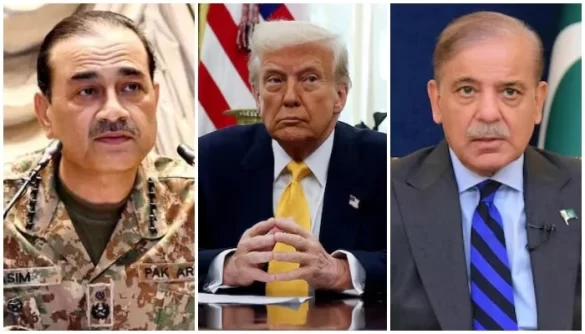
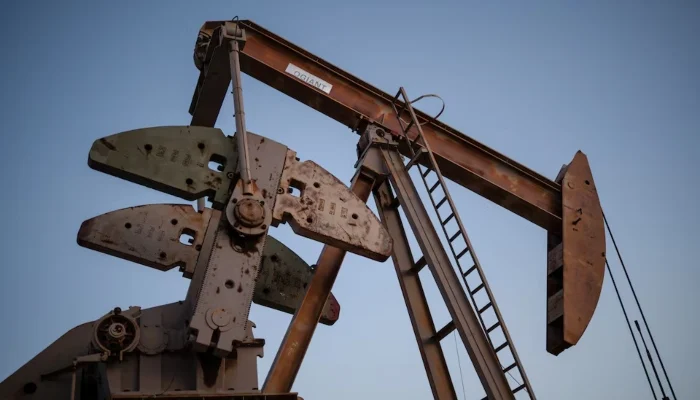
Brent crude futures rose $1.06, or 1.1%, to $101 a barrel at 0001 GMT, while US West Texas Intermediate (WTI) increased $1.58, or 1.8%, to $89.71. Oil had dropped more than 10% on Monday after Trump announced a five-day postponement of attacks on Iranian power plants, claiming that “productive talks” with unnamed Iranian officials had produced “major points of agreement.”
Tim Waterer, chief market analyst at KCM Trade, said the temporary halt “sucked much of the ‘war premium’ from the oil price,” adding that Tuesday’s moderate bounce reflects traders reassessing market risks while the Strait of Hormuz remains tense.
Strait of Hormuz and Supply Risks
The ongoing conflict has disrupted shipments of roughly one-fifth of the world’s oil and liquefied natural gas that pass through the Strait of Hormuz. While two tankers bound for India navigated the strait on Monday, the region remains a major source of uncertainty for global energy markets.
Iranian Response
Iran dismissed claims of US contact, calling them attempts to manipulate financial markets. The Revolutionary Guards confirmed new attacks on US targets and criticized Trump’s statements as “worn-out psychological operations.”
Trump Puts Off Threat to Bomb Iran Power Grid, Iranian Agency Denies Talks
Market Outlook and Energy Infrastructure
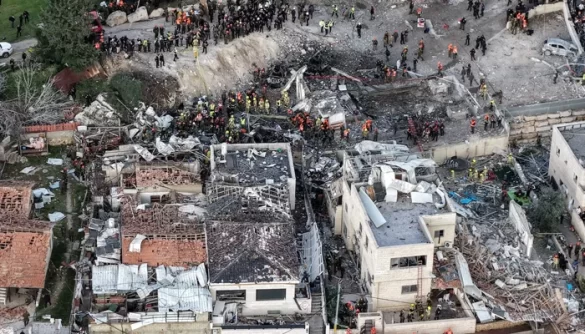
Macquarie analysts projected a price floor of $85–$90 per barrel, with the potential to rise toward $110 until the Strait of Hormuz is fully reopened. If disruptions continue into April, Brent could surge to $150 per barrel. Meanwhile, attacks on Iran’s energy infrastructure continue, with incidents reported in Isfahan and Khorramshahr affecting gas pipelines and pressure-reduction stations.
The United States has temporarily waived sanctions on Russian and Iranian oil already at sea to alleviate shortages. International Energy Agency Executive Director Fatih Birol said consultations with Asian and European governments are ongoing regarding potential strategic reserve releases.
Industry officials warn that the US–Israel war with Iran could have lasting economic impacts, though US Energy Secretary Chris Wright downplayed the immediate crisis.