Talks Begin Under Turkish Mediation
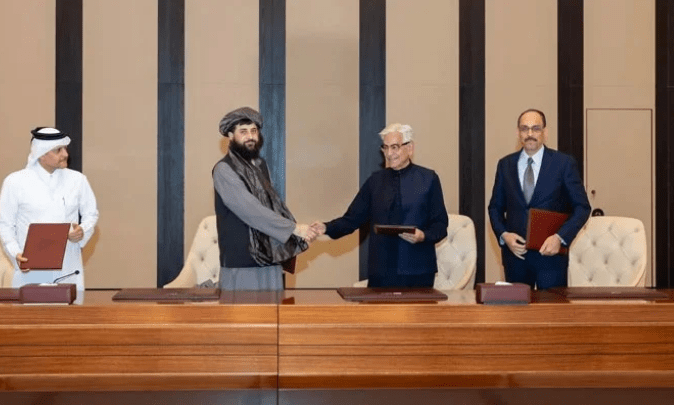
The second round of Pakistan-Afghanistan peace talks has begun in Istanbul, hosted by the Turkish government. The discussions are taking place at a local hotel and focus on reviewing the points agreed upon during the first round of negotiations in Doha.
These talks aim to ease months of rising tension between Islamabad and Kabul and to build a framework for better border management and security cooperation.
High-Level Taliban Delegation Attends
The Taliban government in Kabul has sent a high-level delegation led by Deputy Interior Minister Rahmatullah Mujib. The delegation also includes several senior officials such as:
-
Anas Haqqani, brother of the Afghan Interior Minister Sirajuddin Haqqani
-
Noor Ahmad Noor, representing the Ministry of Defence
-
Noorur Rahman Nusrat, another senior defence official
-
The acting head of Afghanistan’s embassy in Qatar
-
The spokesperson of the Afghan Ministry of Foreign Affairs
The composition of this delegation reflects the Taliban government’s focus on security and diplomatic coordination as key areas of concern.
Pakistan’s Delegation Focuses on Border Security
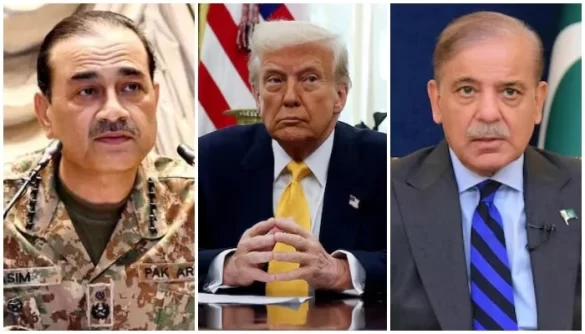
Pakistan has dispatched a two-member delegation comprising senior security officials. Their proposals are expected to centre on cross-border attacks originating from Afghanistan, monitoring mechanisms, and the creation of a joint framework to prevent militant infiltration.
According to officials, Islamabad seeks concrete assurances from Kabul to curb the activities of Tehreek-e-Taliban Pakistan (TTP) militants who, Pakistan claims, operate from Afghan territory.
Reviewing the Doha Commitments
The first round of talks was held earlier this year in Doha, Qatar, where both sides discussed a temporary ceasefire extension and confidence-building measures. Pakistan had agreed to extend the ceasefire at the Taliban’s request.
However, despite these diplomatic efforts, border tensions have persisted, disrupting cross-border trade and mobility. To understand the historical roots and causes of these recurring clashes, read our detailed analysis here: Why Afghanistan and Pakistan Are Fighting: Understanding the Border Tensions. For the fourteenth consecutive day, several key crossings — including Chaman, Khyber, North and South Waziristan, and Kurram — remain closed.
Hundreds of freight trucks and cargo containers are reportedly stranded at the Bab-e-Dosti, Torkham, Kharlachi, Angoor Adda, and Ghulam Khan border points, waiting for clearance to enter Pakistan.
Economic and Humanitarian Impact
The prolonged border closures have not only affected trade but also disrupted the movement of thousands of people who depend on cross-border routes for work, medical care, and family visits. Local traders have warned that continued delays could cause severe economic losses on both sides of the border.
Analysts say that while the Istanbul talks mark an important step toward rebuilding trust, sustained progress will depend on tangible actions and mutual commitment to regional peace and security.
Outlook
Observers hope that these renewed discussions will help both countries establish a permanent mechanism for border management and intelligence sharing. Turkey’s facilitation, they note, underscores the international community’s interest in maintaining stability in South and Central Asia.
As the talks continue in Istanbul, both Islamabad and Kabul face mounting pressure to translate diplomatic dialogue into lasting peace.