Pakistan Offers Condolences
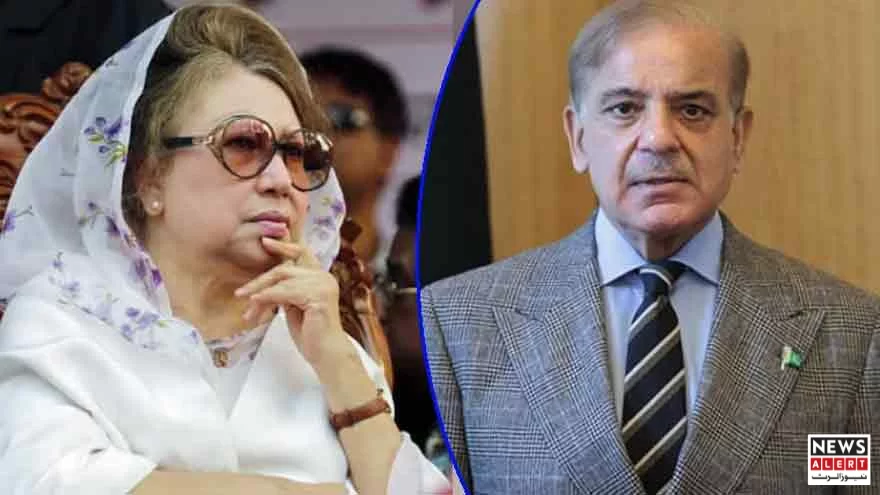
Pakistan has expressed deep sorrow over the death of former Bangladeshi Prime Minister Khaleda Zia. The Ministry of Foreign Affairs reported that Foreign Minister Ishaq Dar contacted Zia’s family to convey condolences and offer prayers for her soul.
Moreover, Minister Dar prayed for Khaleda Zia to be granted a high place in paradise. He also wished patience and strength for her grieving family. In addition, he praised her decades-long political service and her influence in shaping Bangladesh’s political landscape.
Her leadership left a lasting impact on Bangladesh and earned respect internationally, Minister Dar said.
Khaleda Zia: Bangladesh’s First Female Prime Minister
Khaleda Zia passed away at the age of 80 after suffering from multiple health complications. She died in a hospital in Dhaka, Bangladesh’s capital. Zia was the country’s first female Prime Minister and the widow of former President Ziaur Rahman.
Also Read: Khaleda Zia, Former Prime Minister of Bangladesh, Dies at 80
She led the Bangladesh Nationalist Party (BNP) and served as Prime Minister for three non-consecutive terms. During her tenure, she focused on strengthening national institutions and promoting economic development. However, her leadership also faced political challenges, yet she remained a central figure in Bangladeshi politics.
Public and Political Reaction
The BNP reported that Khaleda Zia died at 6 a.m. local time. Consequently, news of her death spread quickly, prompting widespread grief among politicians and the public. Many praised her role as a trailblazing female leader in a male-dominated political environment.
Furthermore, political analysts highlighted her influence in Bangladesh’s democratic development. Her passing affects both national and South Asian politics. In addition, observers noted that her leadership shaped the direction of a key regional country.
Legacy and Historical Significance
Khaleda Zia’s career was closely tied to Bangladesh’s post-independence history. She rose to prominence after her husband’s assassination and became a symbol of resilience.
Her tenure demonstrated both the opportunities and challenges women face in politics. Moreover, international media and organizations often cite her career as an example of female political empowerment in South Asia.
Even during her final years, marked by health struggles and periods of political detention, Zia remained influential. As a result, analysts predict her legacy will continue to impact party dynamics, governance debates, and women’s leadership in the region.
Conclusion
Khaleda Zia’s death marks the end of an era in Bangladesh. Pakistan’s condolences reflect the respect she earned internationally. In addition, global political observers recognize her lasting contributions. As the nation mourns, her legacy as Bangladesh’s first female Prime Minister and a key political figure endures.