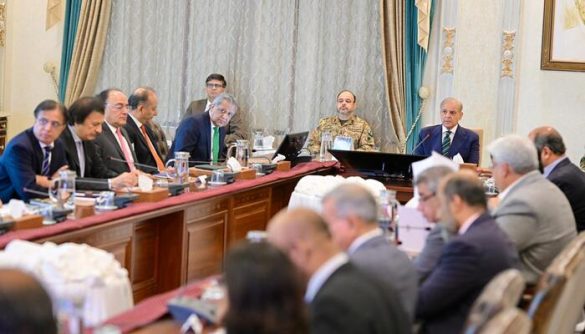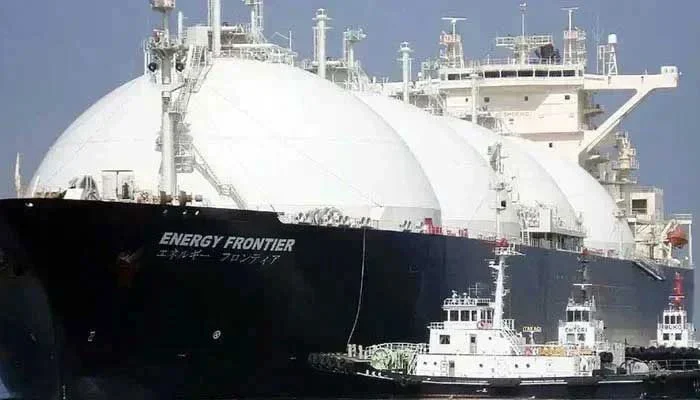
ISLAMABAD: Pakistan’s liquefied natural gas (LNG) supply is projected to run out after April 14 due to disruptions caused by escalating tensions in the Middle East, the Senate Standing Committee on Petroleum was informed on Monday.
Supply Disruptions
Officials told the committee, chaired by Senator Manzoor Ahmed, that LNG imports from Qatar — the world’s second-largest LNG exporter — have been completely suspended since March 2. This has raised serious concerns over gas availability for the power sector, particularly during peak electricity demand.
Of eight LNG cargoes scheduled for March, only two arrived, and six expected in April are unlikely to reach Pakistan. As a result, gas demand in the power sector will not be fully met in April.
Alternative sources, including potential LNG purchases from Azerbaijan, are being considered. However, spot purchases could cost around $24 per unit, compared with $9 under the Qatari contract, raising the cost of electricity generation.
Current Fuel Reserves
The committee was briefed on Pakistan’s petroleum and gas reserves:
- Crude oil: 11 days
- Diesel: 21 days
- Petrol: 27 days
- LPG: 9 days
- JP-1 aviation fuel: 14 days
Officials emphasized that domestic consumers would continue receiving gas, though supply to the power sector has already fallen from 300 mmcfd to 130 mmcfd, and gas to one fertiliser plant was cut by 50%.
Rising Global Fuel Prices
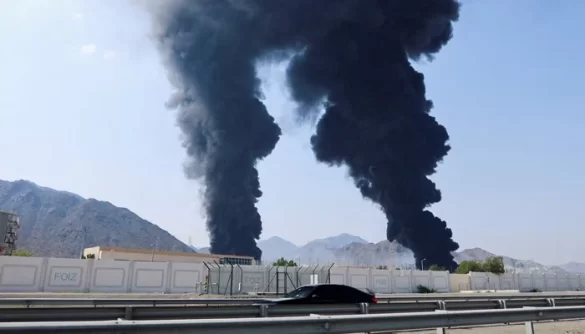
The ongoing Middle East conflict has disrupted shipping, affecting deliveries. Global fuel prices have surged dramatically:
- High-speed diesel: $88 → $187 per barrel
- Petrol: $74 → $130 per barrel
The government raised domestic fuel prices to discourage hoarding and ensure uninterrupted supply, despite criticism from some senators.
Sharp Rise in Fuel Prices Likely Amid Middle East Tensions: Pakistan’s Energy Supply at Risk
Since March 7, diesel prices have increased by about 100%, and petrol prices by around 70%, according to the Oil and Gas Regulatory Authority (Ogra).
Steps Taken by the Government
- Continuation of petroleum imports despite price surges
- Relief packages planned for motorcycle and rickshaw users
- Temporary approval for imports of oil below Euro-5 quality standard to ease supply pressures
- Daily monitoring of petroleum supply by a ministerial committee
Energy Minister Awais Leghari highlighted that Pakistan’s increasing reliance on domestic energy sources — including solar, wind, nuclear, coal, and hydropower — has reduced exposure to global LNG supply disruptions.
Pakistan has also cancelled 21 LNG cargoes under a long-term deal with Italy’s Eni for 2026-27, reflecting lower domestic gas demand due to growth in solar and power generation.
Outlook: Pakistan faces a critical LNG shortfall after mid-April, with rising global fuel prices and regional supply disruptions putting pressure on power generation and energy security. Alternative imports and domestic energy expansion will be key to mitigating the impact.