ISLAMABAD: Pakistan is confronting a growing public health threat as antimicrobial resistance (AMR) among key bacterial and fungal pathogens could potentially claim over 262,000 lives in the next 25 years, according to federal health authorities. The warning comes as the country becomes the first in the World Health Organization’s Eastern Mediterranean Region to compile a national Priority Pathogen List, aimed at guiding hospitals, laboratories, and policymakers in combating drug-resistant infections.
Critical Pathogens in Hospitals
The new list identifies several hospital-associated bacteria as critical, including:
- Enterobacterales
- Acinetobacter baumannii
- Pseudomonas aeruginosa
These organisms are major causes of bloodstream infections, ventilator-associated pneumonia, and complicated urinary tract infections, particularly in intensive care units. Resistance to multiple antibiotics has made these infections increasingly difficult to treat, raising mortality risks for critically ill patients.
Drug-resistant tuberculosis also remains a critical concern in Pakistan, requiring prolonged and costly treatment. Other critical pathogens, such as Enterococcus faecium and Staphylococcus aureus, are responsible for bloodstream and wound infections in hospitals, with rising resistance complicating therapy.
High- and Medium-Priority Pathogens
The pathogen list categorizes bacteria by risk and resistance:
- High-priority pathogens: Salmonella Typhi, non-typhoidal Salmonella, Shigella, Campylobacter, and Neisseria gonorrhoeae — responsible for foodborne illnesses and sexually transmitted infections.
- Medium-priority pathogens: Streptococcus pneumoniae, Haemophilus influenzae, and Vibrio cholerae — linked to pneumonia, meningitis, and cholera outbreaks.
Fungal pathogens are also highlighted, including Candida species (notably drug-resistant Candida auris), Aspergillus, Cryptococcus, and Pneumocystis jirovecii, which pose severe risks for immunocompromised patients. Mucorales fungi, associated with mucormycosis, have been flagged due to their severe impact on patients with poorly controlled diabetes.
Rising Antibiotic Use and Misuse
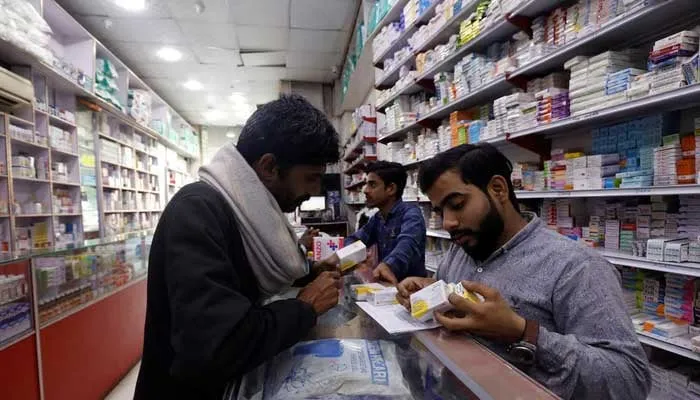
Pakistan’s growing antibiotic market is contributing to the AMR crisis. Industry data indicate that antibiotics account for roughly Rs185 billion of the pharmaceutical market, with widespread use often occurring without proper prescriptions. Over 70% of prescriptions are considered high-risk or unnecessary, particularly broad-spectrum “Watch” category drugs, fueling resistance.
Experts warn that if resistance continues to rise, routine medical procedures — including surgeries, childbirth, and cancer treatment — could become riskier and less effective.
National Strategies to Combat AMR
The Priority Pathogen List will strengthen surveillance, laboratory capacity, and antibiotic stewardship across Pakistan. Health officials stress the need for:
- Tighter control on antibiotic sales
- Enforcement of prescription laws
- Investment in diagnostic laboratories
- Improved infection prevention in hospitals
These measures align with Pakistan’s National Action Plan on Antimicrobial Resistance 2024–2029, aiming to safeguard the effectiveness of antibiotics and reduce the projected death toll from drug-resistant infections.