Pakistan Kabaddi Federation Imposes Ban
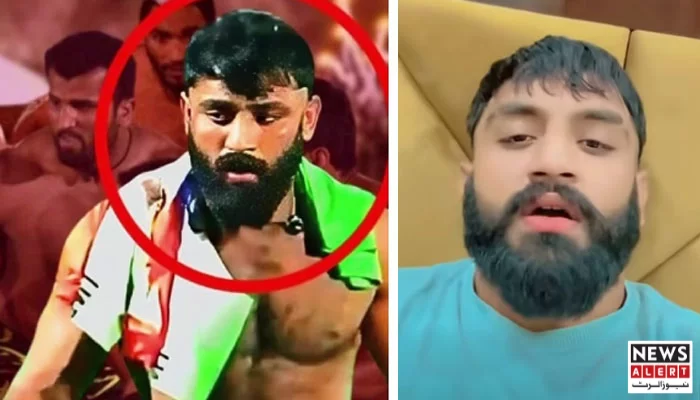
The Pakistan Kabaddi Federation (PKF) has imposed a ban on national-level player Ubaidullah Rajput after he appeared playing for an Indian team in an overseas tournament and was seen waving the Indian flag.
Also Read: Pakistani Kabaddi Player Sparks Controversy by Wearing Indian Jersey
The decision was approved during a meeting of the PKF General Council held in Lahore. The session was chaired by Chaudhry Shafay Hussain, Chairman of the Pakistan Kabaddi Federation. Officials described the incident as a serious violation of federation rules and national sporting ethics.
According to the federation, no Pakistani player is allowed to represent a foreign team without obtaining a No Objection Certificate (NOC). The chairman clarified that this rule applies to all players, regardless of the level of competition.
However, the federation also stated that Ubaidullah Rajput will have the right to appeal. His case has now been referred to the PKF’s disciplinary committee for further review.
What Happened in Bahrain?
The controversy emerged after a video circulated on social media showing Ubaidullah Rajput participating in a kabaddi tournament in Bahrain. In the footage, he could be seen wearing an Indian team jersey and waving the Indian national flag on the field.
The video quickly went viral, triggering strong reactions among Pakistani sports fans. Many questioned how a Pakistani player could appear to represent India, especially given the sensitive political and sporting rivalry between the two countries.
Kabaddi, while not as globally prominent as cricket, carries strong national sentiment in South Asia. Matches between Pakistan and India often attract intense public attention.
Federation’s Official Explanation
Speaking to the media, PKF Secretary Rana Sarwar said that 16 Pakistani players participated in the Bahrain tournament. However, he stressed that this group did not represent the official Pakistan national team.
He confirmed that none of the players had obtained the required NOC from the federation. As a result, their participation was considered unauthorized.
Rana Sarwar also warned that the federation would take strict action against self-formed teams and private promoters who organize such events without official approval. He added that the PKF would not allow Pakistan’s name or image to be damaged under any circumstances.
Player’s Version of Events
Ubaidullah Rajput has issued a clarification defending his actions. He explained that the Bahrain tournament is held every year and that he has participated in similar events in the past.
According to Rajput, he was not informed beforehand that teams would be named India and Pakistan. He claimed that only after reaching the ground did friends tell him that he would be playing on the Indian side.
He further said that he requested commentators to clarify that the match was not an official India–Pakistan encounter. Instead, he described it as a local cup tournament, not an international or world-level competition.
Rajput also stated that while slogans were raised at the venue, he had no intention of promoting flag-waving or political symbolism. He emphasized that if it had been a World Cup or official event, he would only have played for Pakistan.
The player has formally apologized, saying his actions were not meant to hurt anyone’s feelings.
Federation Stands Firm
Despite the apology, the Pakistan Kabaddi Federation has maintained a firm stance. Secretary Rana Sarwar described the incident as unacceptable and deeply regrettable.
He said that a national player representing a foreign team, especially India, and waving its flag crosses a red line. The federation reiterated that it would continue to take strict disciplinary action in similar cases.
Sports officials say the decision is meant to reinforce discipline and protect the integrity of Pakistan’s national sports structure.
Wider Context in Pakistani Sports
Pakistan’s sports federations have increasingly tightened rules around overseas participation. In recent years, unauthorized appearances by athletes in foreign leagues have led to fines, suspensions, and bans.
Kabaddi remains a popular sport in Punjab and rural regions, with growing international exposure. However, officials argue that professionalism and adherence to regulations are essential as the sport expands globally.
The final outcome of Ubaidullah Rajput’s case will depend on the disciplinary committee’s findings and any appeal he may file.