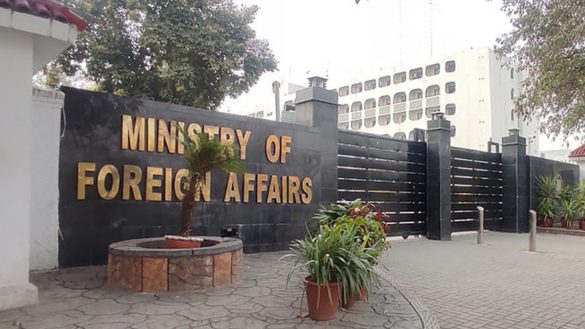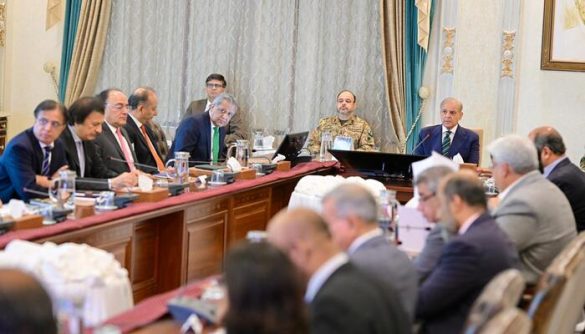
Pakistan has signalled its willingness to help de-escalate tensions in the Middle East as the US-Israel war on Iran intensifies. Speaking to Al-Jazeera on Wednesday, Attaullah Tarar, Pakistan’s Information Minister, highlighted Islamabad’s long-standing diplomatic ties in the region and emphasised the country’s readiness to act as a mediator.
“Pakistan is involved in talking with various partners, and we have always wanted for this balance in relations to remain,” Tarar said. “I think we are able to play a mediation role with the countries in the region.” He stressed the country’s “sincere desire to participate in de-escalating the situation” and to prevent further instability.
Intensifying Conflict in Israel and Iran
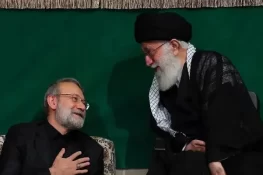
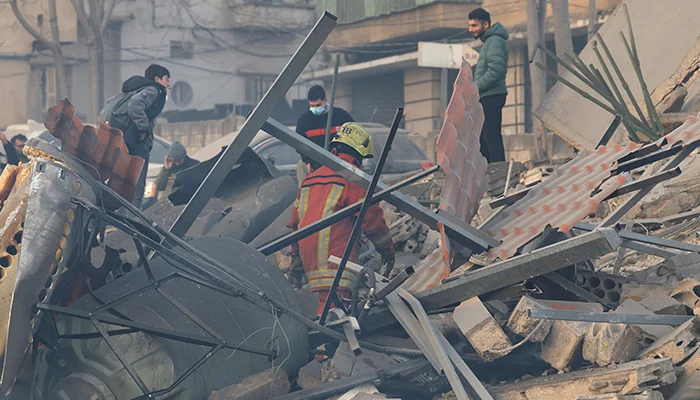
The latest round of escalation began after Israel assassinated key Iranian figures, including former Supreme National Security Council secretary Ali Larijani and Basij Commander Gholamreza Soleimani. In retaliation, Iran targeted Tel Aviv with missiles carrying cluster warheads, resulting in at least 14 deaths in Israel since the conflict began.
Iranian state media reported that the overnight strikes included Khorramshahr 4 and Qadr missiles, both equipped with multiple warheads. The attacks killed Larijani’s son and his deputy, Alireza Bayat, further escalating hostilities.
Pakistani Tanker Navigates Strait of Hormuz on Iran-Approved Route Amid Middle East Tensions
Regional Impact and Gulf Tensions
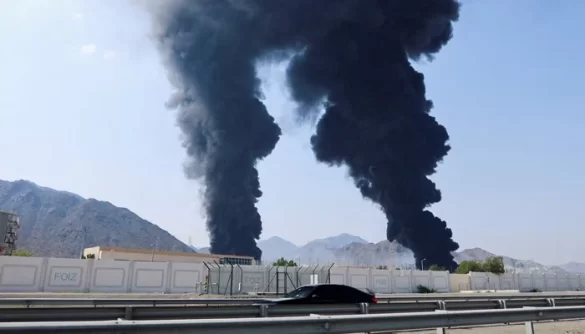
The conflict has spilled into the Gulf region, with Gulf Arab states, particularly the United Arab Emirates, facing over 2,000 missile and drone attacks targeting US diplomatic missions, military bases, oil infrastructure, ports, airports, and residential and commercial buildings.
In response to the growing threat, Saudi Arabia announced it would host a consultative meeting of foreign ministers from Arab and Islamic countries in Riyadh to explore ways to support regional security and stability.
Meanwhile, Iran’s newly appointed supreme leader, Mojtaba Khamenei, rejected proposals for reducing tensions or initiating a ceasefire with the United States. He stated that “it was not the right time for peace until the United States and Israel are brought to their knees, accept defeat, and pay compensation,” according to official reports.
Pakistan’s Diplomatic Position
Amid the intensifying conflict, Pakistan seeks to leverage its neutral and longstanding ties in the region to play a stabilising role. Tarar emphasised that Islamabad’s approach is rooted in maintaining balance, preventing further instability, and encouraging dialogue among regional powers.
As hostilities continue with no immediate end in sight, Pakistan’s mediation offer positions it as a potential key diplomatic actor in a conflict that threatens global energy markets and regional security.
— With additional reporting from Reuters