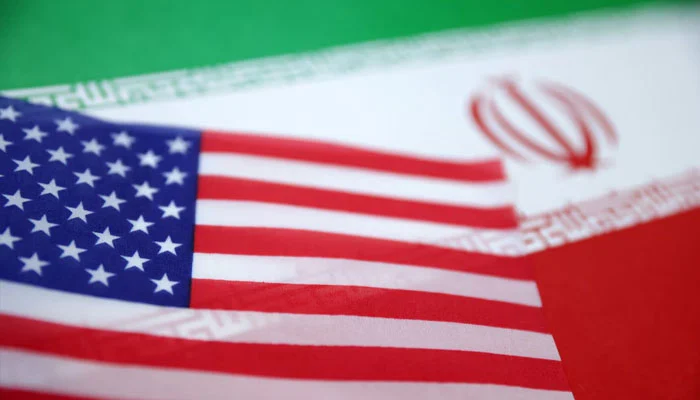
Pakistan, alongside regional mediators, is engaged in intense diplomatic efforts to broker a potential ceasefire between Iran and the United States, according to a report by Axios citing multiple US, Israeli, and regional sources. The proposed framework centers on a 45-day truce that could eventually pave the way for a permanent end to the conflict.
Ongoing Mediation and Diplomatic Channels
Sources indicate that negotiations are being conducted through Pakistan, Egypt, and Turkey, with additional backchannel communication taking place via messages exchanged between US envoy Steve Witkoff and Iranian Foreign Minister Abbas Araghchi.
Despite these efforts, officials caution that the chances of reaching even a partial agreement within the next 48 hours remain low. Still, the current push is being described as a final opportunity to prevent a major escalation.
Escalating Conflict and Strategic Stakes
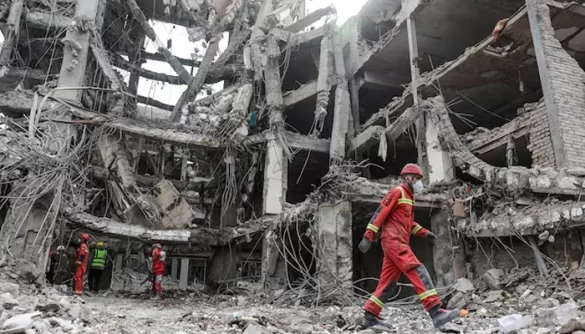
The conflict intensified following joint US-Israeli strikes on Iran on February 28. Over the past five weeks, Iran has faced sustained missile and air attacks targeting what Washington and its allies describe as threats linked to Tehran’s nuclear programme, ballistic missile capabilities, and regional influence.
In response, Iran has effectively shut down the Strait of Hormuz—a vital waterway through which nearly 20% of the world’s oil and gas supplies pass—and has carried out strikes on US military bases and other targets across the Gulf region.
Trump’s Deadline and Military Pressure
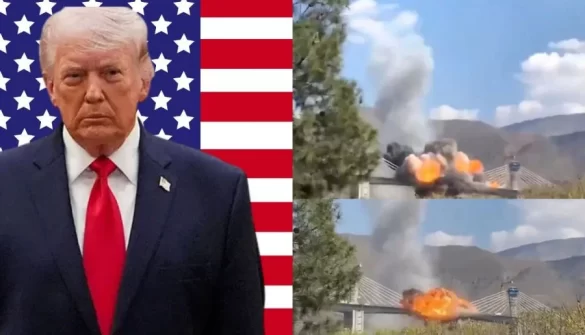
US President Donald Trump had set a deadline for Iran to reopen the Strait of Hormuz or face attacks on critical infrastructure. While the original timeline has been extended slightly, he reiterated that failure to reach a deal could result in severe military action targeting infrastructure essential to civilian life.
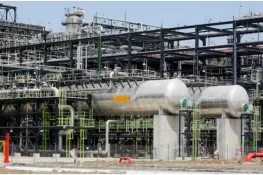
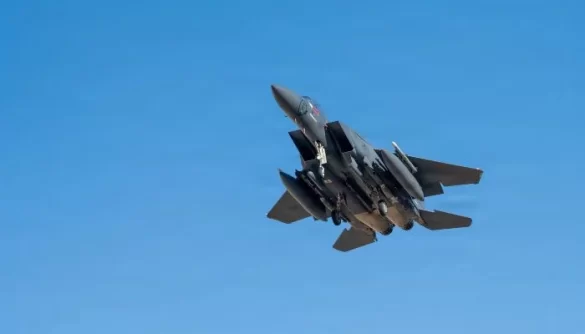
Sources reveal that operational plans for a large-scale US-Israeli bombing campaign targeting Iran’s energy facilities are already in place. However, the extension of the deadline is intended to provide a final window for diplomacy.
Proposed Two-Phase Ceasefire Plan
According to sources familiar with the talks, mediators are discussing a two-phase agreement. The first phase involves a 45-day ceasefire during which negotiations for a permanent settlement would take place. If needed, this truce could be extended to allow further dialogue.
The second phase would focus on a comprehensive agreement to end the war. This could include resolving the issue of Iran’s highly enriched uranium, potentially through removal from the country or dilution to lower levels.
‘Islamabad Accord’: Pakistan Submits Ceasefire Plan to Iran and US
Confidence-Building Measures and Key Concerns
Mediators are also exploring confidence-building measures, such as partial Iranian steps to ease access through the Strait of Hormuz and flexibility on uranium-related issues. In return, Tehran is seeking assurances from Washington that any ceasefire would not be temporary.
Iranian officials have expressed concerns about entering an agreement similar to those seen in Gaza or Lebanon, where hostilities resumed despite formal ceasefires.
Risks of Further Escalation
Officials involved in the talks warn that any US-Israeli strikes on Iran’s energy infrastructure could trigger a severe Iranian response, potentially targeting oil and water facilities across Gulf states. Such a scenario could have far-reaching economic and security consequences for the region and beyond.
Mediators have emphasized that the next 48 hours represent a crucial window to secure a deal and avoid widespread destruction. However, Iran has maintained a firm public stance, rejecting major concessions. The Iranian Revolutionary Guards Corps Navy has also warned that conditions in the Strait of Hormuz may never return to pre-war norms, particularly for the United States and Israel.
Conclusion: A Narrow Window for Diplomacy
While diplomatic efforts are intensifying, the path to a ceasefire remains uncertain. The coming days are likely to determine whether negotiations succeed in de-escalating tensions or whether the conflict moves toward a broader and more destructive phase.