ISLAMABAD: Pakistan and the International Monetary Fund (IMF) have revised upward their projections for CPI-based inflation for the current fiscal year, citing the ongoing Gulf conflict. Inflation is now expected to reach an average of 7.5% in 2025-26, according to The News.
Earlier, the Ministry of Finance had projected CPI-based inflation at around 6.1% for the current fiscal year. The current account deficit (CAD), a key topic during recent IMF review talks, is now estimated at 0.5% of GDP, equivalent to roughly $2 billion. At one point, the Planning Ministry had proposed two scenarios projecting the CAD at $2.8 billion; however, Federal Secretary Finance Imdad Ullah Bosal, along with the economic advisor, convinced the IMF that it could be contained at $2 billion by June 2026.
Economic Outlook for FY2026-27
Pakistan’s economy is projected to reach Rs141.66 trillion in FY2026-27, up from Rs126.9 trillion by the end of June 2026. GDP growth is expected at 4.2% in 2025-26 and 5.1% in 2026-27, with CPI-based inflation at 7.5% and 6.5% respectively.
During the first quarter of FY2026, GDP grew by 3.71%, compared to 1.56% the previous year, driven by 2.9% growth in agriculture, 9.4% growth in industry, and 2.4% growth in the services sector.
Industrial and Agricultural Performance
Economic activity is further supported by increased PSDP spending (21% in H1 FY2026), a 29% rise in company incorporations, and a 27.3% increase in agricultural machinery imports, signaling expansion in production capacity.
PSX Plummets Amid Rising Oil Prices and Bond Yields
Large-scale manufacturing (LSM) grew by 5.02% from July to October FY2026, with 16 sectors showing growth, including textiles, food processing, automobiles, electrical equipment, and tobacco. The services sector is expected to strengthen through trade, transport, finance, digitalization, and ICT exports. Agriculture also saw growth in key crops like rice, maize, sugarcane, and livestock, which grew by 6.3% compared to the previous year.
Inflation and Future Challenges
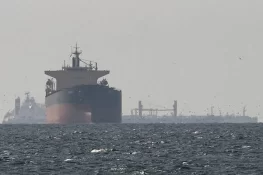
The Gulf conflict has added upward pressure on inflation, which is now expected to average 7.5% in FY2025-26. CPI-based inflation may decline in the following fiscal year if the conflict ends soon and fuel supply chains are fully restored. The State Bank of Pakistan (SBP) will need to remain vigilant to maintain price stability in the medium term.