A proposal to impose a nationwide smart lockdown in Pakistan has faced resistance from provincial governments during a high-level meeting chaired by President Asif Ali Zardari in Islamabad, according to sources.
Provinces Reject Nationwide Restrictions
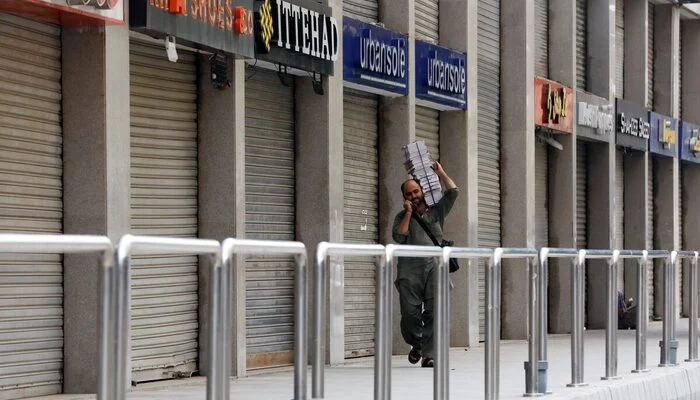
During the meeting, national leadership reviewed the possibility of implementing targeted (smart) lockdowns across the country. However, provincial authorities reportedly opposed the idea, expressing reservations about enforcing restrictions at a national scale.
As a result, consensus could not be reached, and the proposal was effectively put on hold. Sources indicated that provinces prefer localized decision-making rather than blanket nationwide measures.
Focus on Economic Stability and Austerity
The discussion took place against the backdrop of rising economic pressure caused by surging global oil prices, driven by the ongoing Middle East conflict. The government is attempting to strike a balance between protecting livelihoods and managing inflationary pressures.
Participants of the meeting reaffirmed their commitment to strengthening austerity measures, particularly focusing on energy conservation and reducing fuel consumption. These steps are seen as essential to cope with increasing import costs and external account challenges.
Relief Package and Provincial Role
The federal government also urged provinces to contribute to the Rs254 billion relief package, emphasizing the importance of a collective national response. Coordination between the centre and provinces was highlighted as critical in addressing the economic challenges effectively.
To move forward, a sub-committee comprising provincial finance ministers has been formed to reassess proposals related to smart lockdowns. The committee is expected to review recommendations and explore feasible options for targeted restrictions.
Global Context Driving Decisions
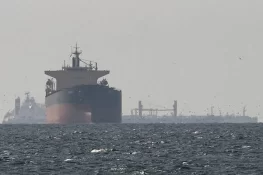
The urgency of these discussions is linked to the ongoing Middle East conflict, which began on February 28 following US and Israeli strikes on Iran. The situation has since escalated, affecting key global oil supply routes such as the Strait of Hormuz.
With oil prices rising sharply—Brent crude up nearly 59% and WTI around 58% in March—Pakistan faces increasing risks of imported inflation and economic strain.
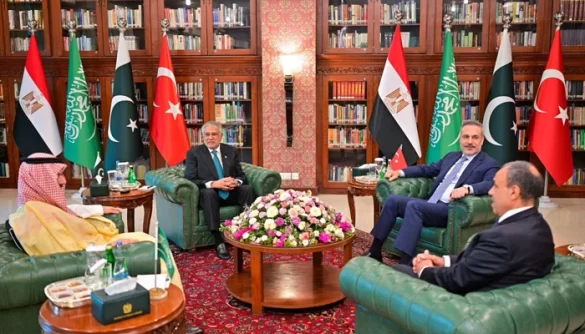
Pakistan Hosts Saudi, Turkish, and Egyptian FMs for Middle East De-escalation Talks
The lack of consensus on a nationwide smart lockdown reflects the complexities of managing economic and public policy challenges in a time of global uncertainty. While provinces resist centralized restrictions, ongoing dialogue and coordination will be crucial in shaping Pakistan’s response to the evolving crisis.