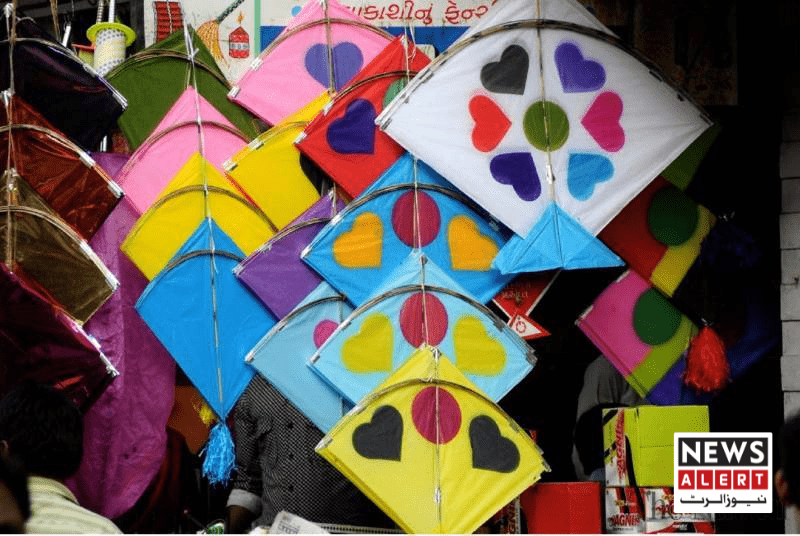
LAHORE, Pakistan – The Punjab government has announced conditional permission for kite flying, reviving the popular Basant festival after more than two decades. Governor Punjab Chaudhry Muhammad Sarwar approved the ordinance, which outlines strict rules and penalties to protect participants and the public.
Background: End of a 25-Year Ban
Authorities banned kite flying in Punjab in 2001 after accidents caused serious injuries and fatalities. The ban lasted 25 years, making this revival a landmark cultural decision.
Chief Minister Maryam Nawaz stated that the government aims to revive Punjab’s traditional festivals safely. Basant, which marks the start of spring, has long included vibrant kite displays, music, and community celebrations.
Also Read: Punjab Considers Controlled Revival of Basant Festival
Key Rules for Participants
The ordinance specifies that only people aged 18 and above can fly kites. Parents or guardians face legal responsibility if children violate this rule.
The law allows only cotton or thread-based strings. Anyone using metallic or sharp strings, called manjha, faces 3 to 5 years in prison and fines up to 2 million PKR (around $7,500 USD).
Additionally, motorcycles must follow strict safety guidelines during the festival. Authorities will monitor compliance closely to prevent accidents.
Enforcement and Penalties
Police now have the authority to search suspicious properties. Kite-related offenses are non-bailable.
Children under 18 face fines of 50,000 PKR for the first violation and 100,000 PKR for the second. If fines remain unpaid, authorities will take action against the parent or guardian.
Local kite-flying associations must register with the deputy commissioner. Registered vendors must sell kites with QR codes, which help authorities track sellers and string manufacturers.
Cultural and Economic Impact
Basant symbolizes spring and communal harmony in Punjab. Kite flying attracts participants from various age groups and communities. By imposing rules, the government hopes to revive the festival safely.
The festival will likely boost local businesses, including kite makers, string manufacturers, and street vendors. Authorities also plan public education campaigns to teach safe kite-flying practices and prevent injuries.
International Perspective
Kite festivals occur worldwide, from India’s Makar Sankranti to Japan’s Hamamatsu Kite Festival. Pakistan’s Basant is unique for its competitive urban kite battles. By enforcing safety rules, Punjab aligns the festival with international safety standards, ensuring both fun and protection.
Looking Ahead
As Basant approaches, authorities in Lahore, Multan, Faisalabad, and other cities will strictly monitor activities. Public campaigns will remind citizens about age limits, legal strings, and safety measures.
Experts caution that strict enforcement will determine the festival’s success. With these measures, Punjab aims to blend tradition with modern safety standards and revive a beloved cultural event responsibly.