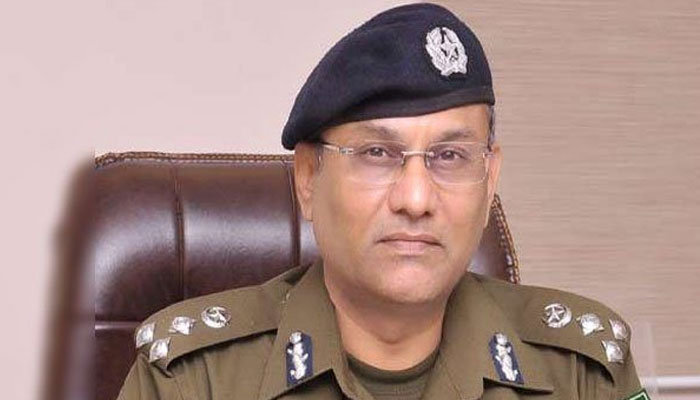
Pakistan’s largest province has seen a significant change in its police leadership. Dr Usman Anwar has been removed from his post as Inspector General (IG) of Punjab Police. He has been replaced by senior police officer Rao Abdul Karim, according to official sources.
The decision marks another high-level administrative reshuffle under the Punjab government. It also comes amid broader changes being discussed at the federal level.
Rao Abdul Karim Appointed as New IG Punjab
Sources within the Punjab government confirmed that Rao Abdul Karim has been appointed as the new Inspector General of Punjab Police. The notification is expected to formalise his assumption of duties shortly.
The post of IG Punjab is considered one of the most powerful policing positions in Pakistan. Punjab is home to more than 120 million people. This accounts for over half of the country’s population. As a result, the provincial police force plays a central role in maintaining law and order nationwide.
The IG Punjab oversees policing in 36 districts. These include major urban centres such as Lahore, Rawalpindi, Faisalabad and Multan. The role involves counter-terrorism coordination, crime prevention, and police reforms. It also requires close cooperation with both provincial and federal authorities.
Rao Abdul Karim is expected to face immediate challenges. These include rising urban crime, political tensions, and public pressure for police accountability. Analysts say his leadership style will be closely watched in the coming months.
Dr Usman Anwar’s Transfer from Punjab Police
Dr Usman Anwar was appointed Inspector General of Punjab in January 2023. He served in the position for just over a year. During his tenure, Punjab experienced frequent administrative changes. These were often linked to shifting political dynamics in the province.
While the official reason for his removal has not been publicly stated, such transfers are common in Pakistan’s civil administration. Senior officers are often reassigned following changes in government priorities or leadership strategies.
Dr Anwar is a well-known police officer. He has previously held several key positions at both provincial and federal levels. His tenure as IG Punjab included efforts to modernise policing systems. These included digitisation initiatives and internal discipline measures.
However, policing in Punjab remains a sensitive issue. Public trust in law enforcement has long been a concern. Human rights groups frequently call for reforms and greater transparency.
Possible Appointment as DG FIA
Meanwhile, federal government sources suggest that Dr Usman Anwar may soon be appointed Director General of the Federal Investigation Agency (FIA). The FIA is Pakistan’s main federal law enforcement body. It deals with cybercrime, financial crimes, human trafficking and immigration offences.
If confirmed, the move would place Dr Anwar in another influential role. The DG FIA reports directly to the federal government. The position carries significant responsibility, especially amid rising cybercrime cases and financial investigations.
In recent years, the FIA has expanded its operations. Official data shows that cybercrime complaints have increased sharply. This trend reflects Pakistan’s growing digital population. Managing these challenges will require experienced leadership.
No official notification has yet been issued regarding Dr Anwar’s possible appointment.
Broader Context of Administrative Changes
Leadership changes within Pakistan’s police services are not unusual. They often reflect political transitions or shifting governance priorities. Punjab, in particular, has seen frequent changes in senior police leadership over the past decade.
Experts say such reshuffles can disrupt continuity. At the same time, they may offer opportunities for reform. Much depends on how new leadership sets priorities and engages with institutional challenges.
For now, attention remains focused on Rao Abdul Karim. His performance as IG Punjab will shape policing outcomes in the country’s most populous province. Observers say stability, professionalism and public trust will be key benchmarks.
As Pakistan continues to navigate political and security pressures, the effectiveness of its law enforcement leadership remains under close scrutiny.