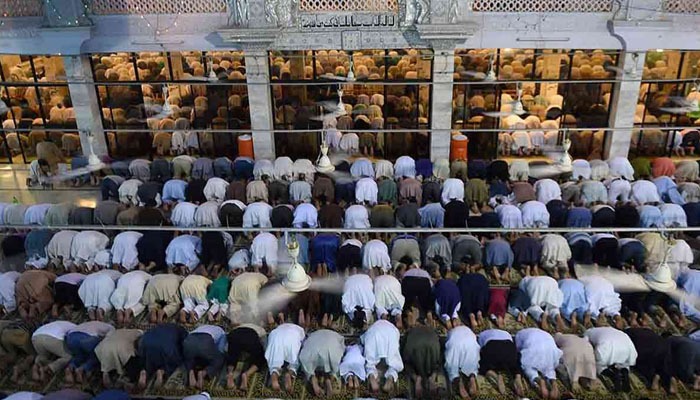
Across Pakistan, Muslims observed the night of Shab-e-Barat with deep reverence, prayer, and reflection. The occasion, widely regarded as a night of mercy and forgiveness, was marked by special religious gatherings in mosques and homes nationwide. Believers spent hours in worship, seeking divine blessings for themselves and the wider Muslim world.
The observance took place peacefully, with families, scholars, and community leaders taking part in a range of spiritual activities. Many described the night as a moment for self-reflection, repentance, and renewed commitment to faith.
Night-Long Worship in Mosques and Homes
Throughout the country, mosques remained illuminated late into the night. Worshippers gathered to offer voluntary prayers (nawafil), recite the Holy Quran, and engage in silent supplication. Many families also organised prayers at home, particularly where elderly members or children could not attend mosques.
In large cities such as Karachi, Lahore, and Islamabad, mosques reported high attendance. Smaller towns and rural areas also saw active participation. Religious scholars led congregations in collective prayers, reminding attendees of the spiritual significance of the night.
According to Islamic tradition observed in South Asia, Shab-e-Barat falls on the 15th night of the Islamic month of Shaban, just weeks before Ramadan. While practices vary across regions, the night is commonly associated with repentance and remembrance of God.
Prayers for Peace, Security, and the Muslim World
During special prayers, worshippers prayed for peace and stability in Pakistan, as well as prosperity for the nation. Supplications were also offered for the broader Muslim world, including prayers for Kashmir and Palestine, reflecting ongoing regional concerns.
In addition, many people prayed for forgiveness and elevated ranks for deceased relatives. These prayers formed a central part of the night’s observances, highlighting the strong cultural emphasis on remembrance of the dead.
Religious leaders encouraged moderation and sincerity in worship. They emphasised personal accountability, compassion, and social responsibility as core Islamic values.
Cemetery Visits and Remembrance of the Deceased
A significant number of citizens visited graveyards during the night and early morning hours. Families offered Quran recitation and Fatiha for departed loved ones. In major cities, local administrations arranged lighting and security around cemeteries to manage crowds.
In Karachi, Governor Sindh Kamran Tessori visited several graveyards late at night. He reviewed welfare stalls set up to assist visitors, including water distribution points and basic medical aid. During his visit, he also offered special prayers for Pakistan’s safety and unity.
Such visits are a longstanding cultural practice associated with Shab-e-Barat in Pakistan, though religious opinions on the practice may differ.
Religious Scholars Highlight Spiritual Significance
Islamic scholars described the 15th night of Shaban as one of great virtue. Many scholars believe that, by God’s command, matters related to life, death, and sustenance for the coming year are decreed on this night. They stress that sincere worship during this time carries special spiritual reward.
Scholars also reminded worshippers that forgiveness is linked to personal conduct. They urged believers to avoid harming others and to seek reconciliation before asking for divine mercy.
A Night of Reflection Before Ramadan
Shab-e-Barat often serves as a spiritual preparation for Ramadan, which is expected to begin within weeks. For many Muslims in Pakistan, the night offers a pause for reflection amid economic and social challenges.
As dawn approached, mosques slowly emptied, marking the end of a night defined by prayer, remembrance, and hope. While traditions may vary, the central message remained consistent: seeking forgiveness, showing humility, and turning towards faith.