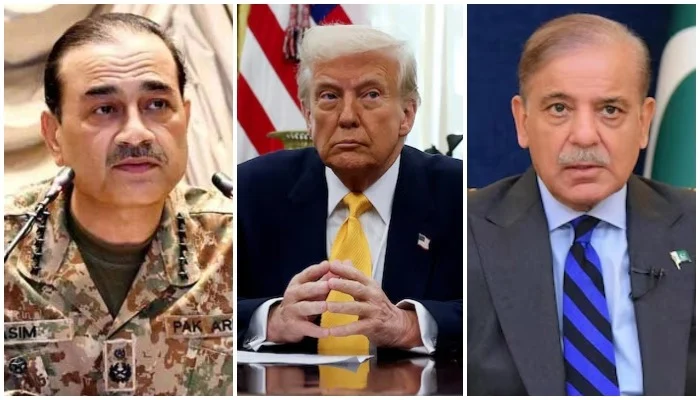
US President Donald Trump has agreed to a two-week ceasefire with Iran, marking a significant shift in policy just hours before a critical deadline for Tehran to reopen the Strait of Hormuz. The development follows diplomatic engagement led by Pakistan, including discussions with Prime Minister Shehbaz Sharif and Army Chief Asim Munir.
Sudden Shift from Escalation to Diplomacy
The announcement represents a sharp reversal from earlier in the day, when Trump warned of devastating consequences if Iran failed to comply with US demands. The deadline, set for 8pm ET on April 8, had raised fears of imminent escalation.
In a post on Truth Social, Trump described the agreement as a “double-sided ceasefire,” contingent upon Iran reopening the Strait of Hormuz in a “complete, immediate, and safe” manner.
Progress Toward a Broader Agreement
Trump stated that the United States has already achieved its primary military objectives and is “very far along” in reaching a long-term peace agreement with Iran. He also revealed that Washington had received a 10-point proposal from Tehran, calling it a “workable basis” for further negotiations.
According to the US president, the two-week pause is intended to provide time to finalise a comprehensive agreement that could bring an end to hostilities in the region.
Iran Sends Response to US Ceasefire Proposal via Pakistan Amid Rising Tensions
Pakistan’s Role in Mediation
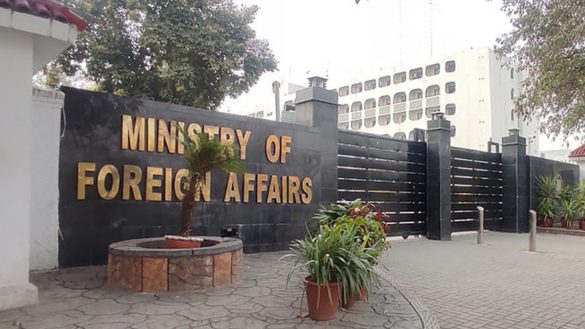
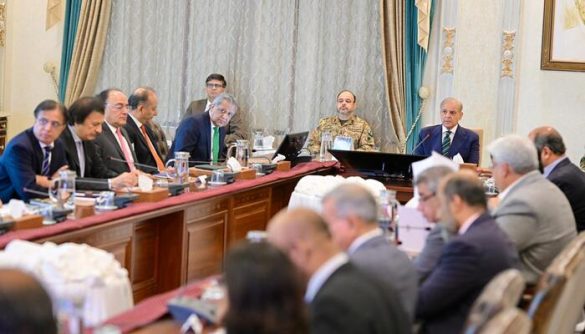
Pakistan played a key role in facilitating the ceasefire. Earlier, Prime Minister Shehbaz Sharif had publicly urged both sides to allow diplomacy to proceed by extending the deadline and observing a temporary ceasefire.
He also called on Iran to reopen the Strait of Hormuz for the same duration as a goodwill gesture, emphasizing the importance of regional stability and long-term peace.
Iran’s Response and Conditions
Iranian state media reported that Washington had effectively accepted Tehran’s conditions for negotiations, describing the development as a diplomatic success.
Iran’s Supreme National Security Council confirmed the ceasefire and announced that talks with the United States would take place in Islamabad over the next two weeks, based on the agreed framework. However, it clarified that the ceasefire does not mark the end of the war, and a final agreement would depend on detailed negotiations.
Iran also warned that its forces remain on high alert and would respond decisively to any renewed aggression.
Statement on behalf of the Supreme National Security Council of the Islamic Republic of Iran: pic.twitter.com/cEtBNCLnWT
— Seyed Abbas Araghchi (@araghchi) April 7, 2026
Israel and Regional Implications
Two White House officials confirmed that Israel has also agreed to the ceasefire and will suspend its military operations against Iran during this period.
The pause in fighting offers a crucial window for diplomacy in a conflict that has already caused significant loss of life and economic disruption across the region.
Impact on Global Economy and Security
The conflict, now in its sixth week, has had far-reaching consequences. The closure of the Strait of Hormuz—through which nearly 20% of the world’s oil supply passes—has driven up global energy prices and raised concerns about a potential economic slowdown.
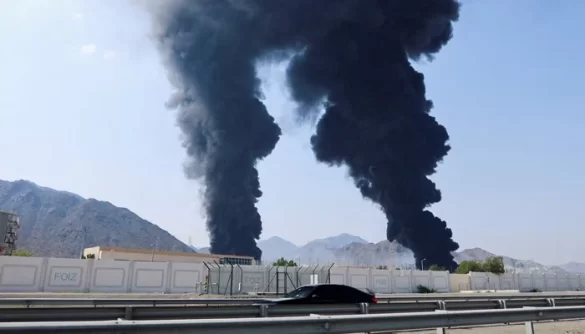
Renewed fighting earlier in the day had targeted key infrastructure, including energy facilities and transport networks, further heightening tensions before the ceasefire announcement.
Conclusion: A Critical Window for Peace
The two-week ceasefire marks a pivotal moment in the ongoing conflict, offering a narrow but significant opportunity for diplomatic resolution. While major differences remain, the willingness of all sides to pause hostilities suggests that a negotiated settlement, though uncertain, may still be within reach.