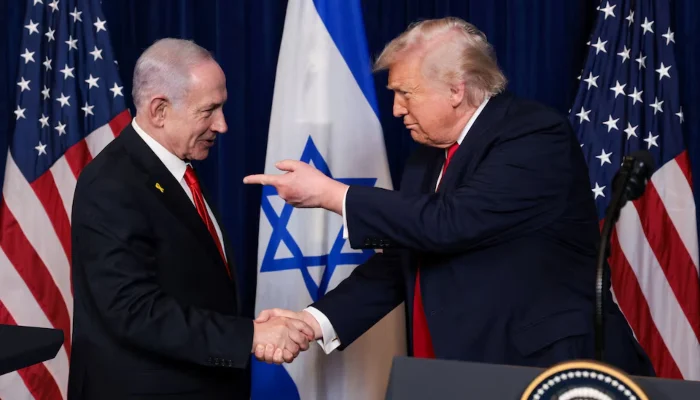
Washington/Tel Aviv: Less than 48 hours before the US-Israeli strike on Iran, Prime Minister Benjamin Netanyahu reportedly persuaded President Donald Trump to consider a joint operation targeting Iranian Supreme Leader Ayatollah Ali Khamenei, according to multiple sources. While Netanyahu was persuasive, the decision to launch the strike ultimately remained Trump’s.
Intelligence and Timing
Both leaders were aware from intelligence briefings that Khamenei and his key lieutenants were expected to meet at his Tehran compound, presenting a rare opportunity for a “decapitation strike” aimed at a country’s top leaders. New intelligence suggested the meeting had shifted from Saturday night to Saturday morning, further intensifying the perceived urgency.
Sources familiar with the discussions said Trump had already approved the concept of a US military operation against Iran but had not finalized the timing or scope. The US military had been building a regional presence for weeks, making the strike a matter of when, not if. The final decision to proceed with Operation Epic Fury on February 27 followed shortly after Netanyahu’s phone call and intelligence confirming the opportunity to target Khamenei. The first bombs hit Iran on February 28, with Trump announcing Khamenei’s death later that day.
Motivations and Diplomacy
Netanyahu argued that the strike could potentially shift Iran’s leadership toward a more negotiable stance, though US intelligence agencies, including the CIA, warned that a hardliner was likely to succeed Khamenei. Defense Secretary Pete Hegseth suggested revenge was also a motive, citing prior Iranian attempts on Trump’s life.
Trump Puts Off Threat to Bomb Iran Power Grid, Iranian Agency Denies Talks
Earlier in June, Israel had independently targeted Iranian nuclear and missile facilities, with US forces joining for 12 days. Subsequent discussions between the US and Israel focused on preventing Iran from gaining nuclear capability and addressing its growing ballistic missile program.
Consequences and Aftermath
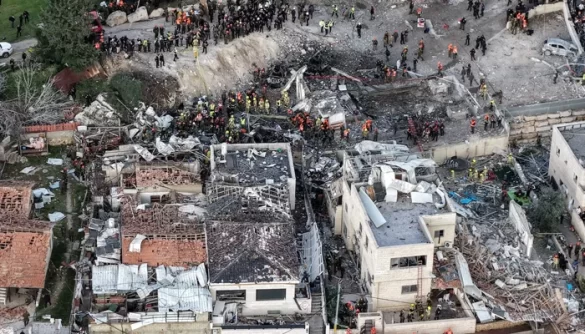
The strikes triggered Iranian counterattacks against US assets, killed thousands of civilians, and disrupted Gulf shipping routes, causing oil price spikes and regional instability. The war is now in its fourth week, with Iran’s new supreme leader, Mojtaba Khamenei, taking control. Millions of Iranians remain sheltered as the Revolutionary Guards maintain a heavy presence across the country.
Although Trump publicly claimed full responsibility for the operation, reporting shows Netanyahu played a key advisory role, emphasizing both the timing and potential strategic benefits of the strike.