Diplomatic channels between the United States and Iran have been severed at a critical moment, raising fresh concerns about the possibility of military confrontation. According to officials cited by Reuters, direct communication between senior representatives of both countries has stopped, deepening uncertainty as rhetoric sharpens on both sides.
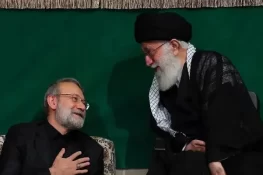
The breakdown in contacts comes amid ongoing unrest inside Iran and increasingly forceful statements from former US President Donald Trump. Meanwhile, Tehran has issued clear warnings that any attack would trigger retaliation against US military assets in the Middle East.
Also Read: Power, Pride and the Lessons of History: Iran’s Supreme Leader Warns of a Familiar Fate
High-Level Diplomatic Contacts Suspended
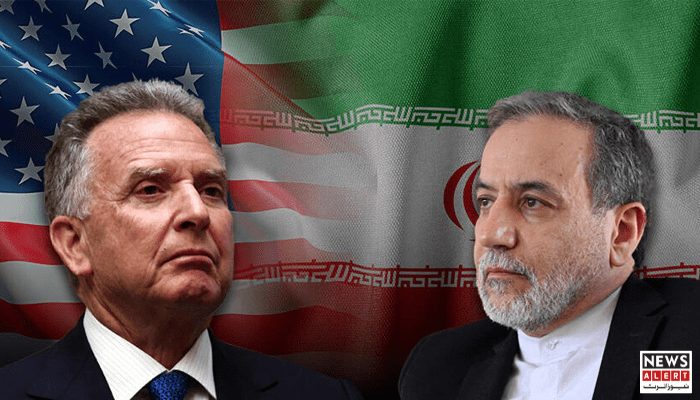
A senior official, speaking to Reuters on condition of anonymity, confirmed that communication between Iranian Foreign Minister Abbas Araghchi and US Special Envoy Steve Witkoff has been suspended. The official did not provide details on when or why the talks were halted, but described the situation as a significant setback for already fragile diplomatic efforts.
Direct channels between Washington and Tehran are limited even in stable periods. Therefore, the loss of such contact increases the risk of miscalculation during times of crisis. Analysts often note that back-channel diplomacy plays a crucial role in preventing escalation, especially when formal relations are absent.
The United States and Iran have not had formal diplomatic relations since 1980. Since then, communication has relied on intermediaries, indirect talks, or discreet exchanges between officials.
Protests in Iran and US Warnings
This development follows more than two weeks of protests across Iran. Demonstrations reportedly began over domestic grievances but have since drawn strong reactions from the authorities. Iranian security forces have launched a sweeping crackdown, according to rights groups, though exact figures remain difficult to verify.
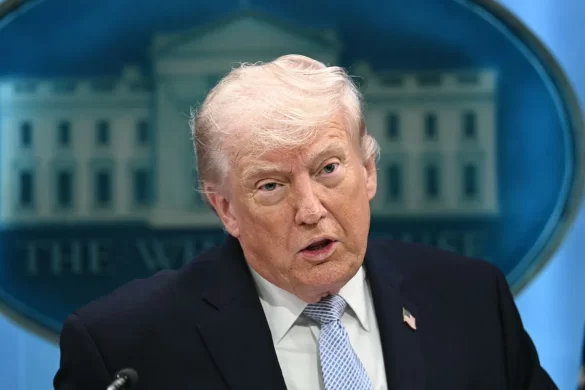
Against this backdrop, Donald Trump has issued a series of strong statements threatening intervention. In a message posted on social media, Trump encouraged Iranian protesters to continue their demonstrations. He urged them to take control of state institutions, adding that outside support was “on the way.”
In another post, Trump warned Iran’s leadership that those responsible for violence and repression would “pay a very heavy price.” While Trump currently holds no elected office, his remarks carry weight both domestically and internationally, given his influence within US politics and past confrontations with Iran during his presidency.
Tehran’s Response and Military Warnings
Iranian officials have responded sharply to what they describe as foreign interference. Tehran has made it clear that any military action against Iran would not go unanswered.
Iran has warned that it would retaliate by targeting US military bases across the Middle East. The United States maintains tens of thousands of troops in the region, including in Iraq, Kuwait, Qatar, Bahrain, and the United Arab Emirates. These bases have previously been targeted by Iran-aligned groups during periods of heightened tension.
Iran’s warning reflects a long-standing strategy of deterrence. Officials frequently stress that Iran will defend itself and its allies if attacked, raising fears that even a limited strike could spiral into a broader regional conflict.
Growing Risks of Miscalculation
The suspension of direct communication has heightened concerns among diplomats and security analysts. Without clear lines of contact, misunderstandings can escalate quickly, especially during periods of unrest or military posturing.
In recent years, the US and Iran have come close to direct conflict several times. The 2020 killing of Iranian General Qassem Soleimani by a US drone strike marked one of the most dangerous moments, followed by Iranian missile attacks on US bases in Iraq.
Although no such incident has been reported in the current crisis, experts warn that rising rhetoric and the absence of dialogue increase the risk of unintended confrontation.
Regional and Global Implications
Any military escalation between the US and Iran would have serious consequences beyond their borders. The Middle East remains a key energy-producing region, and instability could affect global oil markets. In the past, tensions in the Gulf have led to spikes in oil prices and disruptions to shipping.
For now, both sides remain locked in a war of words. However, with diplomatic channels frozen and warnings growing louder, international observers are watching closely, hoping that restraint will prevail before the situation escalates further.