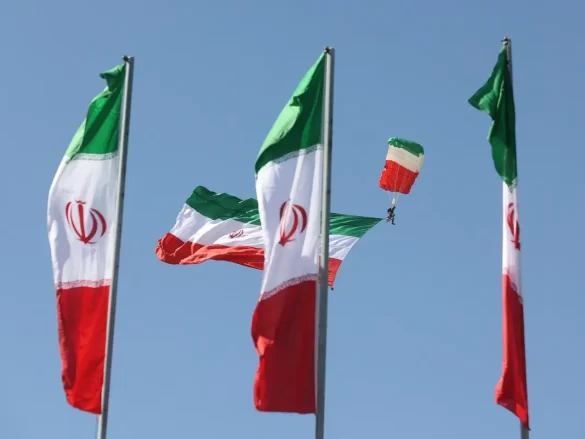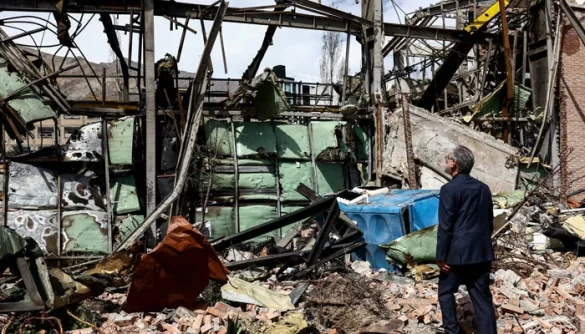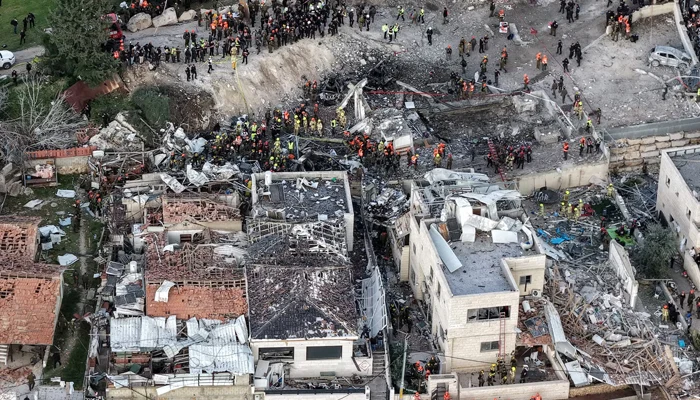
Iran has put forward a comprehensive 10-point framework aimed at ending its ongoing conflict with the United States, outlining far-reaching military, economic, and geopolitical conditions. The proposal comes amid renewed diplomatic momentum following a two-week ceasefire agreed by US President Donald Trump after mediation efforts led by Pakistan.
According to Iran’s Supreme National Security Council, negotiations between the two sides are scheduled to begin in Islamabad on April 11, with the 10-point plan serving as the foundation for discussions.
Key Elements of Iran’s 10-Point Plan
The framework reflects Iran’s strategic priorities and long-standing demands. The main points include:
- Controlled passage through the Strait of Hormuz: Iran seeks to regulate maritime traffic in coordination with its armed forces, enhancing its geopolitical leverage.
- End to regional hostilities: Tehran calls for a halt to military actions against all elements aligned with its “axis of resistance.”
- Withdrawal of US forces: A complete pullout of American combat troops from bases and operational positions across the region.
- Formal transit protocol: Establishment of a structured and binding system governing navigation through the Strait of Hormuz, ensuring Iran’s dominant role.
- Compensation for damages: Full financial compensation for losses incurred during the conflict.
- Lifting of sanctions: Removal of all primary and secondary US sanctions imposed on Iran.
- Revocation of international restrictions: Elimination of resolutions and oversight mechanisms imposed by global institutions.
- Release of frozen assets: Unfreezing of Iranian funds and properties held abroad.
- Recognition of nuclear programme: Acceptance of Iran’s uranium enrichment activities as part of a formal agreement.
- UN Security Council backing: Final ratification of all terms through a binding resolution at the United Nations Security Council.
Diplomatic Context and Pakistan’s Role
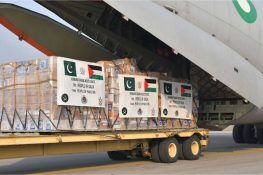
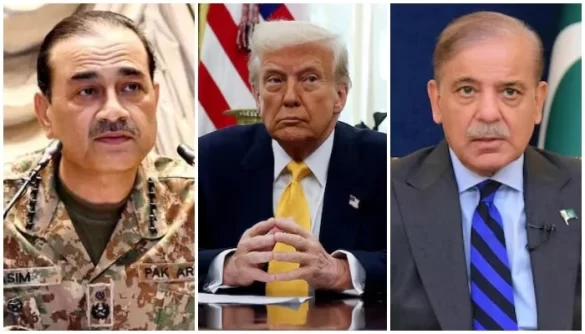
The proposal was conveyed through mediators, including Pakistan, which has played a central role in facilitating dialogue between the two sides. Prime Minister Shehbaz Sharif has invited delegations from both Iran and the United States to Islamabad to begin formal negotiations.
These efforts come at a critical time, as tensions had escalated sharply before the last-minute ceasefire agreement.
With the greatest humility, I am pleased to announce that the Islamic Republic of Iran and the United States of America, along with their allies, have agreed to an immediate ceasefire everywhere including Lebanon and elsewhere, EFFECTIVE IMMEDIATELY.
I warmly welcome the…— Shehbaz Sharif (@CMShehbaz) April 7, 2026
US Response and Ceasefire Conditions
The United States has described Iran’s proposal as a “workable basis” for talks, indicating cautious optimism. However, Washington has linked further progress to Iran’s willingness to ease restrictions on the Strait of Hormuz, a vital global energy route that carries nearly one-fifth of the world’s oil supply.
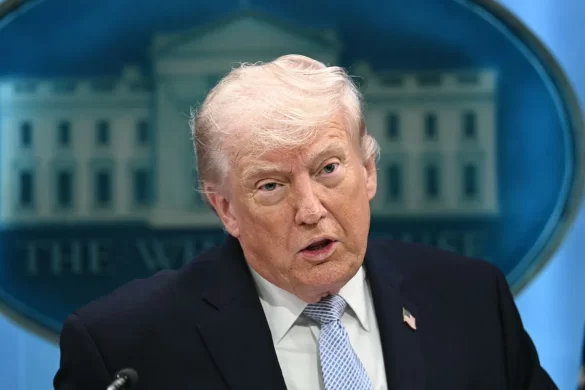
President Donald Trump agreed to pause military action for two weeks, creating a narrow window for diplomacy.
🚨 President Donald J. Trump makes a statement on Iran: pic.twitter.com/9mqTayL0Q3
— The White House (@WhiteHouse) April 7, 2026
Iran’s Position on De-escalation
Iranian Foreign Minister Abbas Araghchi has stated that Tehran is prepared to halt counter-attacks and facilitate safe passage through the Strait of Hormuz during the negotiation period.
However, Iranian officials have emphasized that any long-term agreement must address their core demands and provide guarantees against future conflict.
Conclusion: A Complex Path to Peace
Iran’s 10-point plan highlights the complexity of the negotiations ahead. While the ceasefire has created an opportunity for dialogue, significant differences remain between the two sides.
The upcoming talks in Islamabad are expected to be a crucial test of whether diplomacy can translate into a lasting peace or whether tensions will once again escalate.