Global attention has turned sharply to the Middle East after the United States reportedly seized an Iranian-flagged cargo vessel, raising doubts over the durability of a recently announced ceasefire between Washington and Tehran. The incident has triggered diplomatic warnings, market instability, and renewed fears of wider conflict in the region.
Maritime Confrontation in the Arabian Sea
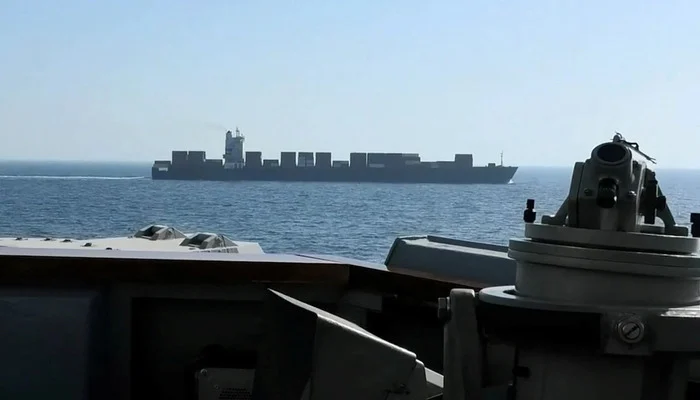
According to reports, the US Navy intercepted the Iranian-flagged cargo ship M/V Touska in the northern Arabian Sea. The US military claimed the vessel was attempting to bypass restrictions and said it had taken control of the ship for inspection.
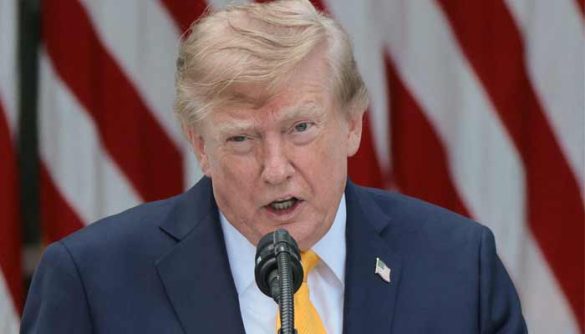
US President Donald Trump stated that the vessel was now under full custody, while Iranian officials strongly condemned the action, describing it as “armed piracy.” Tehran has warned that it will respond to what it sees as a violation of international norms.
Iran Threatens Retaliation Amid Rising Tensions
Iranian military officials, as quoted in state media, said the ship had been traveling from China and warned that retaliation would follow. Tehran also linked the incident to broader US actions, including restrictions on Iranian maritime activity and ongoing pressure on its oil exports.
Iran has repeatedly argued that limiting its exports while expecting regional stability is not sustainable. Officials have also warned that any attack on Iranian infrastructure could prompt responses targeting energy facilities in neighboring Gulf states.
Ceasefire Under Strain
The maritime incident comes at a critical moment, as a fragile ceasefire between the US and Iran faces uncertainty. Iranian state media has indicated that Tehran will not participate in a second round of negotiations, citing continued restrictions and what it calls “excessive demands” from Washington.
At the same time, diplomatic efforts involving international mediators are reportedly continuing behind the scenes. However, the lack of agreement on key issues, including nuclear concerns and maritime security, has left the situation unresolved.
Global Economic Concerns
The Strait of Hormuz — through which a significant portion of global oil shipments pass — remains a major point of concern. Any disruption in this waterway has immediate effects on global energy markets.
Following the recent escalation, oil prices rose sharply, while global stock markets showed signs of instability. Traders are increasingly worried that continued tensions could further restrict shipping flows and push energy costs higher worldwide.
Iran Rules Out Fresh Talks with the United States for Now
International Reaction and China’s Call for Restraint
China has expressed concern over the US seizure of the Iranian vessel, urging all parties to respect the ceasefire and avoid further escalation. A spokesperson from China’s Foreign Ministry emphasized that the situation in the region is “sensitive and complex,” calling for restraint and continued dialogue.
Beijing also urged efforts to maintain the ceasefire momentum and create conditions for normal maritime traffic to resume. According to Chinese officials, the current situation still presents an opportunity for peace, but only if diplomatic channels remain active.
Uncertain Path Forward
With military actions at sea, stalled negotiations, and rising rhetoric on all sides, the situation remains highly unstable. While diplomatic efforts have not completely collapsed, they are under significant strain.
For now, the world is closely watching whether the ceasefire can hold or whether recent developments will push the region back toward deeper confrontation.